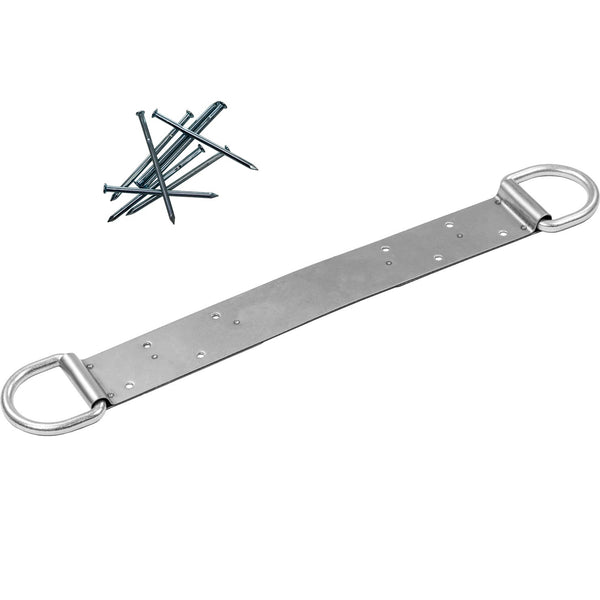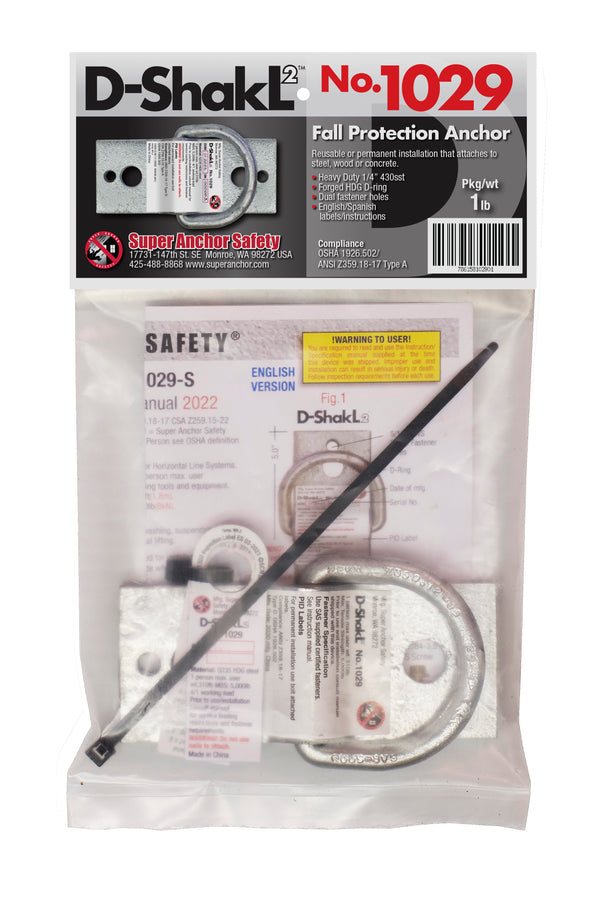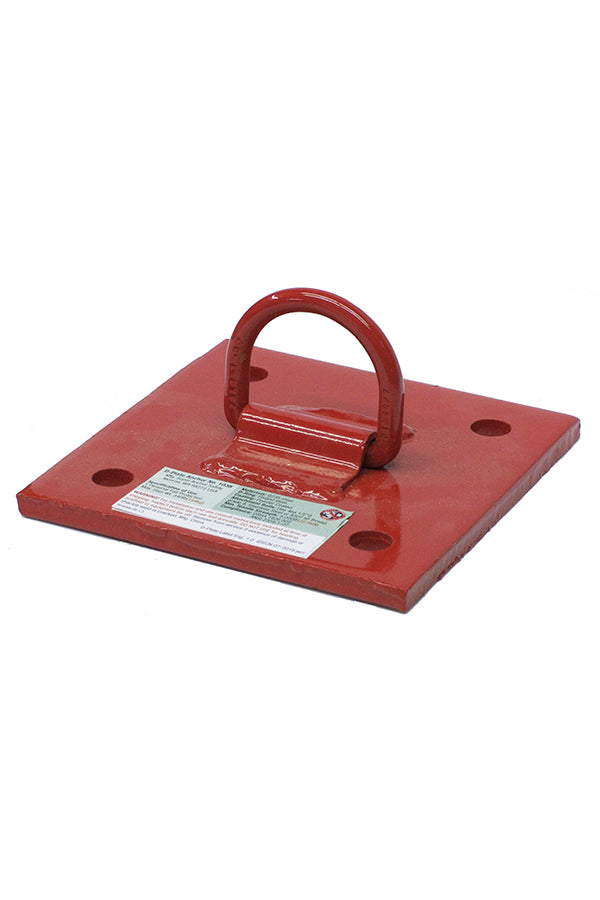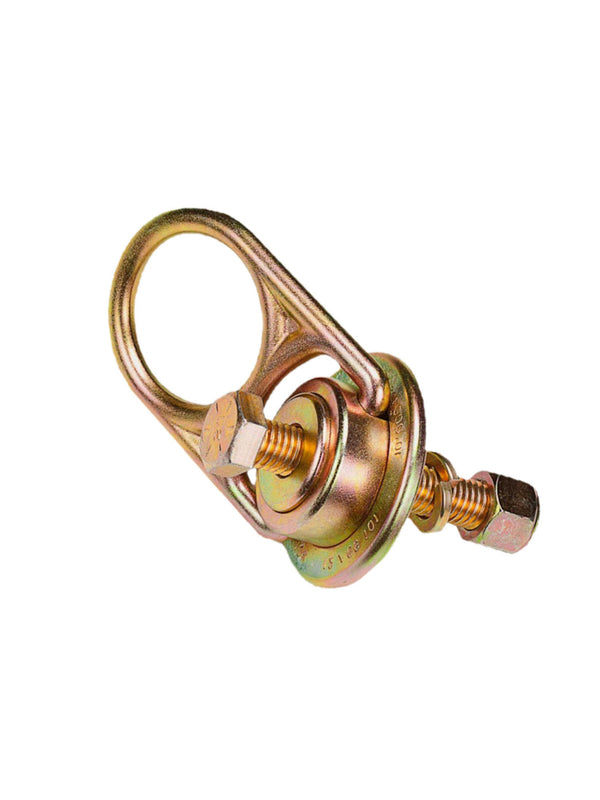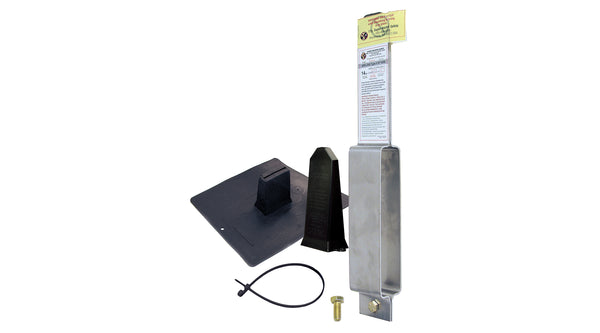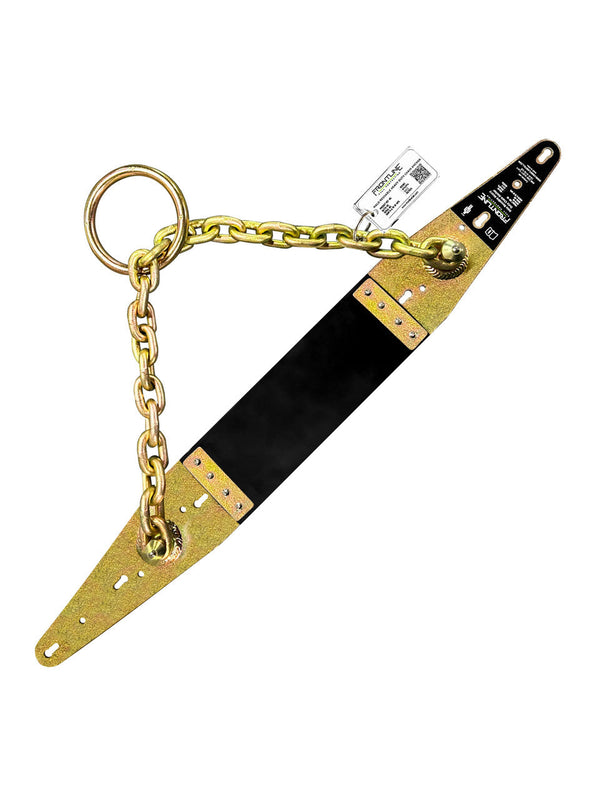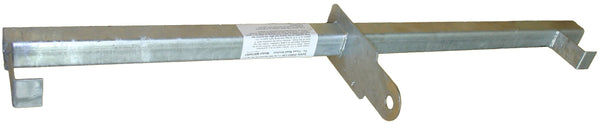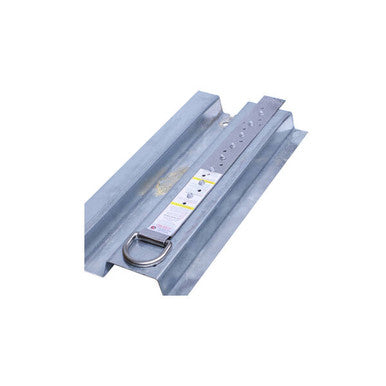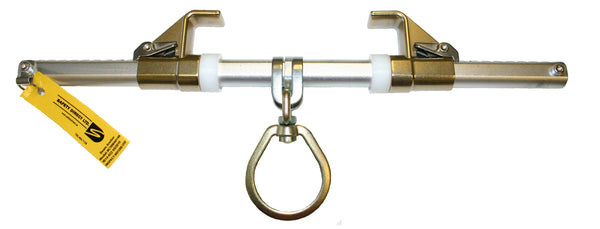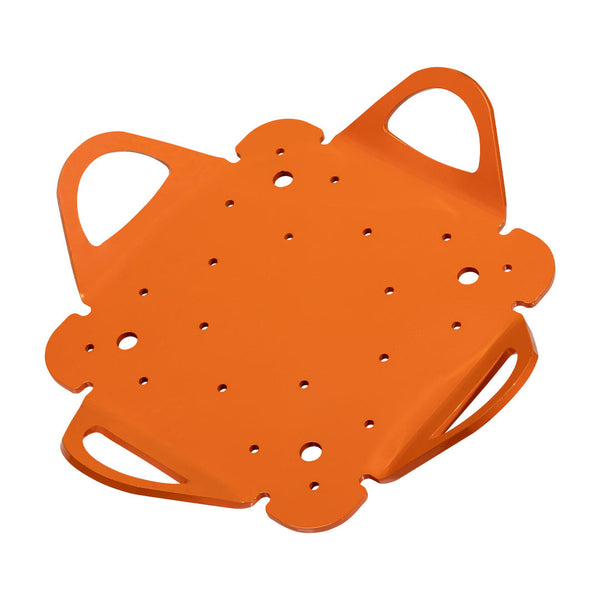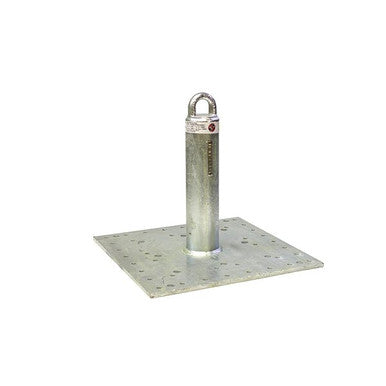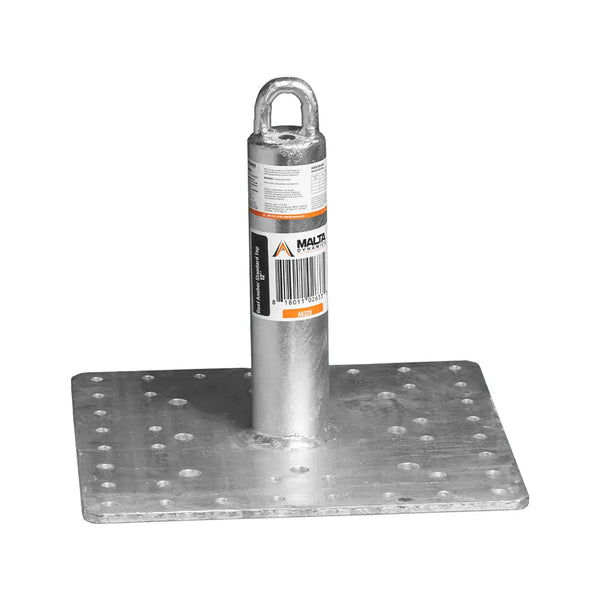
Screw Down Metal Roof Anchors (R-Panel)

Skip to results list
Availability
Price
to
The highest price is $839.00
Clear
3 items
Column grid
Column grid

Filter

Availability
Price
to
The highest price is $839.00
R-Panel & Screw Down Metal Roof Anchors Canada | Fall Protection Canada

Exposed Fastener Metal Roof Protection

R-Panel & Screw Down Metal Roof Anchors in Canada

Heavy-duty anchors engineered for exposed fastener metal roofing—R-panel, PBR panel, corrugated steel, and agricultural metal. Secure tie-off points that fasten through panels into structural decking for reliable fall arrest.

🇨🇦

Canadian Stock
Ready to ship nationwide

⚙️

Panel Compatible
R-panel, PBR, corrugated

CSA Rated
5,000 lbf capacity

🔧

Direct Fastening
Into structural decking

Choosing the Right Screw Down Metal Roof Anchor

Exposed fastener metal roofing requires anchors that penetrate through the panel and fasten securely into structural decking or purlins. Different panel profiles and building types call for specific anchor designs.

Agricultural Buildings

Barns, machinery sheds, and livestock facilities typically use R-panel or PBR over wood or steel purlins. Choose anchors rated for your purlin spacing and designed to seal properly against panel ribs. Pair with SRDs for mobility during maintenance work.

Commercial & Industrial

Warehouses, manufacturing plants, and distribution centers often have corrugated or R-panel roofing over structural steel decking. Heavy-duty anchors with reinforced base plates distribute loads across multiple panel ribs and accommodate thicker roof assemblies including insulation.

Residential Metal Roofing

Some residential applications use exposed fastener panels over plywood or OSB decking. Compact, low-profile anchors minimize visual impact while providing code-compliant tie-off points for maintenance, chimney work, or solar installation. Consider temporary vs permanent based on access frequency.

Re-Roofing & Retrofits

Adding anchors to existing screw-down metal roofs requires careful substrate assessment. Verify structural adequacy, locate underlying framing, and use proper sealant to maintain weatherproofing. Work with shock-absorbing lanyards and proper harnesses during installation.

Installation Best Practices for Screw Down Anchors

1. Locate Structural Members

Anchors must fasten into purlins, rafters, or structural decking—not just the metal panel. For wood framing, locate joists or trusses (typically 16" or 24" on center). For steel buildings, identify purlin locations. Never rely solely on panel thickness for anchor support.

2. Verify Substrate Condition

Inspect wood decking for rot, delamination, or water damage. Check steel purlins for corrosion or section loss. Compromised structural members won't hold rated loads. Replace or reinforce damaged substrates before installing anchors—your crew's safety depends on it.

3. Match Fastener to Application

Wood substrates typically require lag screws or structural wood screws with appropriate length to achieve full thread engagement. Steel purlins need self-drilling or self-tapping screws rated for metal-to-metal connection. Always use fasteners specified by the anchor manufacturer.

4. Seal All Penetrations

Every fastener through a metal roof panel creates a potential leak path. Apply butyl tape, EPDM washers, or compatible sealant under anchor base plates. For permanent installations, consider additional flashing or closure strips that integrate with the panel profile.

5. Position Anchors Strategically

Plan anchor placement to minimize fall distances and swing fall hazards. On large roofs, multiple anchors may be necessary to keep workers within safe working radius. Account for panel rib spacing—some anchors require installation on specific rib locations (high point, valley, or flat).

6. Load Test After Installation

Provincial regulations typically require pull-testing anchors to 200-250 lbs for 5 minutes. This verifies fastener engagement, structural adequacy, and proper installation. Document test results for compliance records and to build crew confidence in the anchor system.

Why Choose Our Metal Roof Anchor Solutions

Panel Profile Compatibility

R-panel, PBR, corrugated, and architectural rib profiles all have different geometries. We help you select anchors with base plates and fastening patterns designed specifically for your panel type, ensuring proper load distribution and weather sealing.

Agricultural Sector Experience

Canadian farms and agribusinesses face unique challenges: wide purlin spacing, older structures with questionable decking, and budget constraints. Our team understands agricultural buildings and can recommend cost-effective anchor solutions that meet code requirements.

Complete System Design

Anchors are one component of effective fall protection. We provide guidance on system design—anchor quantity and spacing, appropriate connectors, fall clearance calculations, and rescue planning—so your fall protection system works as an integrated whole.

Screw Down Metal Roof Anchor FAQs

What's the difference between anchors for R-panel and standing seam roofs?

R-panel and other screw-down metal roofs use exposed fasteners, so anchors penetrate through the panel and fasten into structural decking or purlins. Standing seam anchors are non-penetrating clamp-on designs that attach to the raised seam. Screw-down anchors create penetrations that must be properly sealed to prevent leaks.

Can I install anchors on an existing metal roof without causing leaks?

Yes, with proper technique and sealing. Use anchors with integrated gaskets or weatherproof base plates. Apply butyl sealant or compatible caulk under the anchor and around fasteners. Follow manufacturer sealing instructions. For critical applications, consider consulting the original roof manufacturer for approved anchor models and installation methods.

How do I know if my roof decking can support an anchor?

Anchors require solid structural support—either wood decking (plywood, OSB, or board sheathing) in good condition, or steel purlins/decking rated for the anchor loads. Inspect for rot, corrosion, or damage. If uncertain about substrate condition or structural capacity, consult a structural engineer before installing anchors. Never rely on the metal panel alone for support.

What fasteners should I use with metal roof anchors?

Always use fasteners specified by the anchor manufacturer. For wood substrates, this typically means galvanized or stainless lag screws with appropriate length and diameter. For steel purlins, use self-drilling screws rated for metal-to-metal connections. Fastener length must achieve full engagement in structural members—surface fastening into panels alone is insufficient.

Are screw-down metal roof anchors rated for leading edge work?

Not all anchors are rated for leading edge applications, which generate higher dynamic forces during falls. Verify that your anchor, connectors, and harness are all leading edge certified. For work near roof edges on exposed fastener metal roofing, consult CSA Z259.2.5 guidelines and consider engineered fall protection systems designed by a qualified professional.

Professional Roof Anchor Solutions for Screw Down Metal Roofing in Canada

Exposed fastener metal roofing—commonly called screw-down metal—dominates the agricultural, industrial, and commercial building sectors across Canada. R-panel, PBR (Purlin Bearing Rib), corrugated steel, and similar profiles offer economical, durable roofing that performs well in Canadian weather. But the same through-fastened design that makes these roofs cost-effective also creates challenges for fall protection. Where standing seam roofs allow non-penetrating clamp-on anchors, screw down metal roof anchors must penetrate through the panel and fasten securely into structural members underneath—requiring careful installation to maintain both safety and weatherproofing.

Understanding Exposed Fastener Metal Roofing Profiles

Before selecting anchors, it's essential to understand the panel type on your roof. The most common exposed fastener profiles in Canada include:

  • R-panel: The workhorse of agricultural and commercial construction. R-panel features a 36" panel width with repeating ribs (typically 1.25" tall) spaced at 9" on center and wider flat pans between ribs. Fasteners go through the flat pan into purlins, making R-panel relatively straightforward for anchor installation.
  • PBR panel (Purlin Bearing Rib): Similar geometry to R-panel but with ribs designed to sit directly on purlins, allowing fastening through the high point of the rib. This creates a slightly more water-shedding profile but requires anchors compatible with rib-fastened panels.
  • Corrugated steel: The classic corrugated profile has uniform, repeating waves. Common in older agricultural buildings and some industrial applications. Anchors for corrugated panels need base plates that bridge multiple corrugations to distribute loads effectively.
  • 7.2 and 5V crimp panels: Found on older residential and agricultural structures. These low-profile panels (often 26-29 gauge) are thinner than R-panel and require special attention to substrate quality and fastener selection.

Each profile has different rib spacing, panel thickness, and fastening patterns. When specifying R-panel roof anchors or anchors for other screw-down profiles, verify that the anchor base plate geometry matches your panel type. An anchor designed for R-panel flat pans won't work properly on corrugated ribs, and vice versa.

Structural Requirements: Anchors Need Solid Support

The most critical aspect of screw down metal roof anchor installation is ensuring the anchor fastens into adequate structural support. The thin metal panel itself—typically 22 to 29 gauge steel—provides no structural capacity for fall arrest. Anchors must connect to:

  • Wood decking: Plywood, OSB, or solid board sheathing in good condition. Minimum 1/2" thickness for plywood/OSB, though 5/8" or 3/4" is preferred for high-capacity anchors. Wood must be dry, free from rot, and properly fastened to underlying framing.
  • Wood purlins or trusses: In post-frame (pole barn) construction, purlins may be 2x4 or larger dimension lumber. Anchors should fasten through the metal panel and into solid wood with appropriate lag screws or structural screws achieving full thread engagement.
  • Steel purlins: Z-purlins or C-purlins are common in pre-engineered metal buildings. Anchors must use self-drilling or self-tapping screws rated for metal-to-metal fastening, with sufficient embedment depth and thread engagement to meet load requirements.
  • Structural steel decking: In commercial buildings, metal roofing may be installed over corrugated steel decking. Verify decking gauge and flute profile, and use fasteners rated for attachment into steel deck ribs.

Before installing any anchor, inspect the substrate thoroughly. Probe wood decking for soft spots, delamination, or water damage—these are red flags that the substrate won't hold. For steel structures, check for corrosion, especially around existing fasteners or in areas with known leak history. If you discover compromised structural members, repair or reinforce them before proceeding with anchor installation. Relying on questionable substrates is an invitation to anchor failure during a fall event.

Installation Process: Step-by-Step Best Practices

Installing metal roof anchors on screw-down roofing requires precision and attention to detail. Here's a proven approach used by professional contractors:

Step 1: Identify anchor locations. Plan anchor placement based on work areas, fall hazards, and available structural support. On agricultural buildings with wide purlin spacing (4' to 6' on center), anchor locations are constrained by purlin positions. Mark intended anchor spots and verify that each location aligns with a structural member.

Step 2: Verify structural alignment. Use a stud finder, measure from building edges, or tap the panel to locate purlins by sound. For buildings with accessible interior spaces, confirm purlin locations from below before drilling. Miscalculating purlin position can result in fasteners that miss the structural member entirely—a dangerous and potentially fatal error.

Step 3: Prepare the surface. Clean the metal panel at the anchor location, removing dirt, oxidation, or loose coatings. If the panel has a painted finish, lightly scuff the area under the anchor base plate to improve sealant adhesion. Ensure the panel is dry before proceeding.

Step 4: Apply sealant. For anchors without integrated gaskets, apply a bead of butyl tape or compatible sealant to the underside of the anchor base plate. Some contractors prefer to apply sealant after positioning the anchor but before final tightening—this allows the sealant to squeeze out and fill gaps. Follow the anchor manufacturer's recommendations.

Step 5: Position and fasten the anchor. Place the anchor at the marked location, ensuring it sits flat against the panel profile (spanning ribs or positioned in valleys as designed). Insert fasteners through the anchor base plate, through the metal panel, and into the structural member. Hand-tighten fasteners to draw the anchor snug against the panel, then torque to specification using a calibrated torque wrench or impact driver with torque control.

Step 6: Seal fastener penetrations. Even if the anchor base plate is sealed, individual fasteners create additional penetration points. Apply a dab of sealant over each fastener head, or use fasteners with integral rubber washers designed for metal roofing. The goal is to create a watertight seal that prevents moisture intrusion.

Step 7: Inspect and test. Visually confirm that the anchor is seated properly with no gaps, the base plate is flush against the panel, and sealant has been applied correctly. Perform a pull test per provincial OHS regulations (typically 200-250 lbs sustained for 5 minutes). This test verifies structural engagement and gives your crew confidence in the anchor's performance. Document the test with photos and written records for compliance and future reference.

Sealing and Weatherproofing: Preventing Leaks

The primary concern with penetrating screw down roof anchors is maintaining the roof's weatherproof integrity. Every fastener creates a potential leak path, and poorly sealed anchors can lead to water damage, mold, and costly repairs. Proper sealing requires the right materials and techniques.

Sealant selection: Use sealants compatible with your panel coating and the environmental conditions. Butyl tape is a reliable, long-lasting choice for metal roofing and works well with most panel coatings. Polyurethane or silicone sealants offer excellent adhesion and UV resistance but verify compatibility with your specific panel finish. Avoid generic hardware-store caulks—these may not adhere properly to metal or may degrade quickly under UV and thermal cycling.

Gaskets and washers: Many modern anchors include molded EPDM or neoprene gaskets under the base plate. These gaskets compress when fasteners are torqued, creating a continuous seal. Fasteners with integral rubber washers (common on metal roofing screws) provide a secondary seal at each penetration point. Combining both strategies—gasketed base plates and washered fasteners—offers the best protection against water intrusion.

Long-term maintenance: Sealants and gaskets don't last forever. UV exposure, thermal cycling, and physical wear degrade sealing materials over time. Inspect anchors annually, checking for cracked sealant, compressed gaskets, or signs of water staining around the anchor. Re-seal as needed using fresh sealant compatible with the original material. For permanent anchor installations, consider this maintenance as part of your regular roof inspection program.

Agricultural Applications: Unique Challenges and Solutions

Agricultural buildings represent the largest market for R-panel roof anchors and screw-down metal roof fall protection in Canada. Barns, equipment sheds, livestock facilities, and grain storage structures are almost universally roofed with exposed fastener metal. But agricultural buildings present unique challenges that require specialized approaches.

Wide purlin spacing: Agricultural post-frame buildings commonly use purlins on 4', 5', or even 6' centers to minimize cost. This wide spacing limits anchor placement options—you must position anchors where purlins exist, not necessarily where you'd prefer for optimal fall protection coverage. Plan anchor locations carefully to provide adequate coverage while respecting structural constraints. For very large roofs, you may need more anchors than initially anticipated to keep workers within safe working radius of a tie-off point.

Older structures: Many agricultural buildings are decades old, with wood purlins that may be partially rotted or weakened by insect damage. Before installing anchors, inspect purlin condition by probing with an awl or screwdriver. If purlins are compromised, consider sistering new lumber alongside the existing purlin or installing blocking between purlins to create a solid anchor base. Don't gamble with questionable wood—the consequences are too severe.

Budget constraints: Farm operations often run on thin margins, and safety equipment competes with other capital needs. While it's tempting to cut corners, fall protection is non-negotiable both legally and ethically. If budget is tight, prioritize anchors in high-use areas (near ladder access, around ventilation fans, at roof peaks) and phase in additional anchors over time. Temporary anchors that can be moved between buildings offer flexibility for farms with multiple structures.

Seasonal access: Agricultural roofs may only be accessed a few times per year—to inspect for winter damage, clean gutters, or maintain ventilation equipment. Temporary anchors offer a cost-effective solution for infrequent access, allowing you to install, use, and remove anchors as needed. Store temporary anchors in a dry location between uses and inspect before each deployment.

Commercial and Industrial Considerations

While agricultural buildings dominate the exposed fastener metal roofing market, commercial and industrial facilities also use R-panel and similar profiles for warehouses, distribution centers, manufacturing plants, and storage buildings. These applications introduce different considerations.

Structural steel framing: Pre-engineered metal buildings (PEMBs) use steel purlins and frames rather than wood. Anchors must be installed with self-drilling screws designed for metal-to-metal fastening. Verify purlin gauge and material—heavier gauge purlins provide better thread engagement and load capacity. If in doubt, consult the building's structural drawings or engineer of record to confirm anchor attachment details.

Insulated roof systems: Many commercial buildings have rigid insulation between the metal panel and the structural deck or purlins. This creates a gap that complicates anchor installation—fasteners must be long enough to pass through the panel, through the insulation, and achieve full thread engagement in the structural member. Using fasteners that are too short will result in anchors fastened only into insulation, which provides no structural support. Measure insulation thickness carefully and select fasteners accordingly.

Rooftop equipment access: Commercial buildings often have HVAC units, exhaust fans, and other equipment requiring regular service. Permanently installed anchors near equipment locations provide designated tie-off points for maintenance personnel. This simplifies fall protection compliance and reduces the time spent rigging temporary systems for routine service calls. Consider anchor locations during roof design or retrofit planning to optimize placement for equipment access.

Regulatory scrutiny: Commercial and industrial worksites face greater regulatory oversight than agricultural operations. Labour inspectors conduct workplace inspections, and non-compliance with fall protection regulations can result in stop-work orders, fines, and increased liability. Ensure your metal roof anchor installations meet all applicable CSA standards (primarily CSA Z259.15 for anchorages) and provincial OHS requirements. Maintain documentation of anchor installation, testing, and inspection to demonstrate due diligence.

Integrating Anchors Into Complete Fall Protection Systems

An anchor is the foundation of a fall protection system, but it's not a complete solution on its own. Workers must wear properly fitted full body harnesses and connect to anchors using appropriate shock-absorbing lanyards or self-retracting lifelines (SRDs).

For screw-down metal roofs, self-retracting lifelines are often the preferred connector. SRDs maintain constant tension, reducing trip hazards and limiting free fall distance. This is especially valuable on sloped roofs where slack in a fixed-length lanyard could allow a significant fall before the energy absorber engages. SRDs also improve worker mobility, allowing greater range of movement while maintaining continuous fall protection.

On large roofs or projects with multiple workers, consider horizontal lifeline systems. A horizontal lifeline spans between two anchors (or more for longer runs), allowing workers to move freely along the roof length while remaining continuously connected. This eliminates the need to disconnect and reconnect when moving between work areas—a common scenario that introduces risk of human error. Horizontal lifelines must be engineered to account for distributed loads, sag, and the potential for multiple workers attached simultaneously. For complex commercial projects, engage a qualified engineer to design the lifeline system.

Fall clearance calculations are critical, especially on lower buildings or when working near roof edges. A fall arrest system needs sufficient clearance below the worker to allow the energy absorber to deploy and decelerate the fall before the worker strikes the ground or lower level. Calculate fall clearance by adding: free fall distance (lanyard length + harness stretch), energy absorber deployment distance (typically 3.5' to 5'), worker height, and a safety factor (usually 3' to 5'). If adequate clearance isn't available, you may need to shorten lanyards, use fall restraint instead of fall arrest, or implement physical barriers (guardrails) to prevent access to edges.

Inspection, Maintenance, and Service Life

Even high-quality screw down metal roof anchors require ongoing inspection and maintenance to ensure continued reliability. For anchors installed on frequently accessed roofs, conduct visual inspections quarterly or more often. For infrequently accessed roofs, annual detailed inspections are typically adequate—though more frequent checks are wise in harsh climates or high-corrosion environments.

Inspection checklist:

  • Fastener condition: Check for loose, missing, or corroded fasteners. Re-torque or replace as needed. Corrosion around fastener heads can indicate water intrusion or galvanic incompatibility between fastener and panel materials.
  • Base plate integrity: Look for cracks, deformation, or separation from the roof panel. Base plates that have lifted or bent indicate potential overloading or inadequate fastening.
  • Sealant condition: Inspect sealant around the anchor perimeter and fastener heads. Cracked, shrunk, or missing sealant allows water intrusion. Re-seal compromised areas promptly.
  • D-ring and attachment points: Examine D-rings, swivel eyes, or other connection points for wear, deformation, or cracks. These load-bearing components must be in perfect condition—replace anchors with damaged attachment hardware.
  • Panel condition: Check the metal panel around the anchor for dimpling, tearing, or corrosion. Panel damage can indicate overloading or improper installation. If the panel is compromised, the anchor's holding capacity may be affected.
  • Interior inspection (if accessible): When possible, inspect anchor fasteners from the building interior. Verify that fasteners have achieved full penetration and engagement in structural members. Look for signs of moisture intrusion (water stains, rust) that might indicate seal failure.

Document all inspections in writing, noting anchor locations, inspection dates, findings, and corrective actions taken. Photographic documentation provides a visual record of anchor condition over time. These records demonstrate due diligence during regulatory inspections and help you track anchor service history.

Anchors that have arrested a fall must be retired immediately, regardless of visible condition. The dynamic forces during a fall event can introduce micro-cracks or material stress invisible to the naked eye. Don't attempt to repair or modify damaged anchors—replace them with new, certified equipment and document the retirement in your safety records.

Compliance With Canadian Fall Protection Regulations

Fall protection requirements in Canada are enforced at the provincial and territorial level, with some variation in specific rules. However, all jurisdictions mandate fall protection when working at heights above approximately 3 meters (10 feet), with some high-risk activities requiring protection at lower heights.

Anchors must meet CSA Z259.15 requirements, specifying a minimum anchorage strength of 5,000 pounds-force (22.2 kN) per attached worker, or be part of an engineered system with a 2:1 safety factor. When selecting R-panel roof anchors, verify CSA Z259.15 compliance or equivalent ANSI Z359.18 certification. Third-party testing provides assurance that anchors meet strength, durability, and installation standards.

Some provinces require written fall protection plans for commercial projects. These plans document hazard assessment, anchor specifications and locations, equipment selection, worker training, emergency procedures, and rescue planning. If your business operates across multiple provinces, design your fall protection program to meet the strictest applicable standards. Consulting a qualified safety professional or engineer ensures compliance with local regulations and provides defensible documentation in the event of an incident or inspection.

Why Source Metal Roof Anchors From a Canadian Supplier

Buying screw down metal roof anchors from a Canadian distributor offers practical advantages over cross-border sourcing. Domestic inventory ships faster without customs delays, border inspections, or brokerage fees. When a crew is on-site waiting for anchors, every day of delay costs money and disrupts schedules.

Canadian suppliers stock products designed for CSA standards and tested under conditions relevant to our climate and construction practices. This simplifies compliance documentation and reduces liability concerns. When dealing with provincial labour inspectors or responding to client inquiries about equipment certification, having CSA-compliant gear from a reputable Canadian source streamlines the process.

Perhaps most importantly, Canadian suppliers provide support from people who understand local jobsites, weather conditions, and regulations. At Fall Protection Canada, our team includes former contractors and safety professionals who've worked on agricultural buildings, commercial warehouses, and industrial facilities across the country. Whether you need help selecting anchors for an unusual panel profile, determining fastener requirements for steel purlins, or designing a fall protection system for a complex retrofit, we provide guidance based on real-world experience—not just product specs.

Important: Screw down metal roof anchors must be selected, installed, inspected, and used in accordance with manufacturer instructions, applicable CSA standards (including CSA Z259.15), and provincial or territorial occupational health and safety regulations. Anchor installation requires verification of structural substrate adequacy, proper fastener selection, and weatherproof sealing. This webpage provides general information only and does not replace professional engineering judgment, competent person oversight, or worker training. Fall Protection Canada is not liable for improper installation, inadequate structural support, or failure to follow manufacturer specifications. For installations on older buildings, unusual panel profiles, or when structural capacity is uncertain, consult a qualified structural engineer or safety consultant.