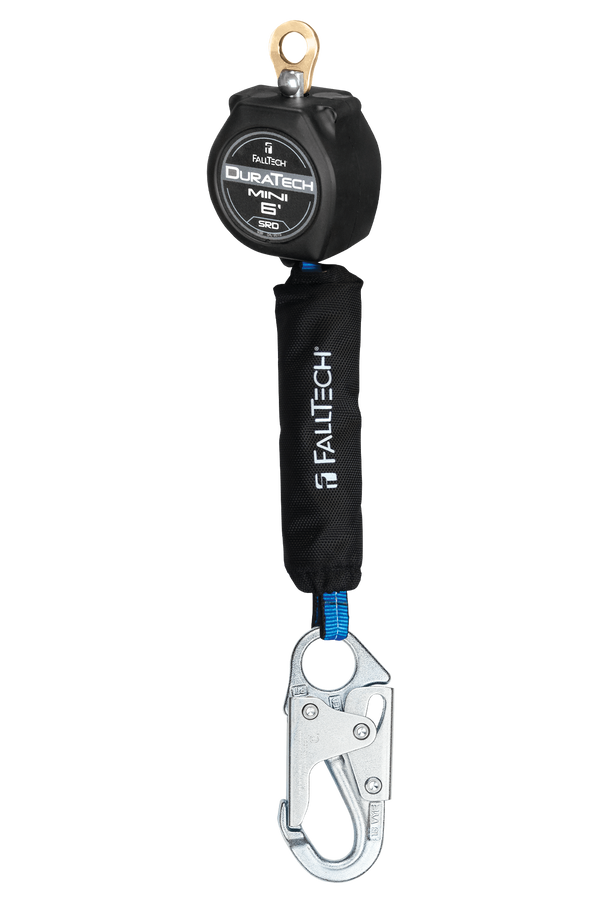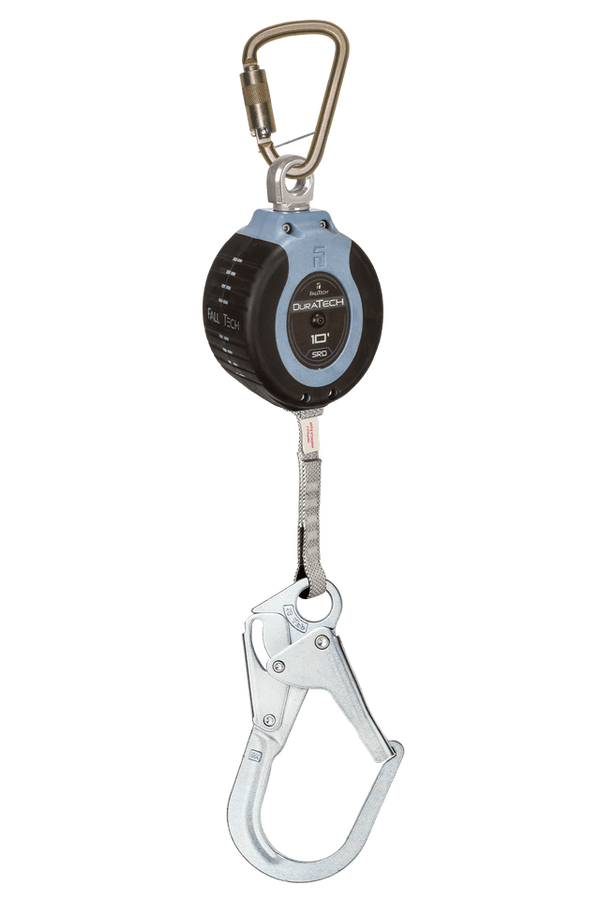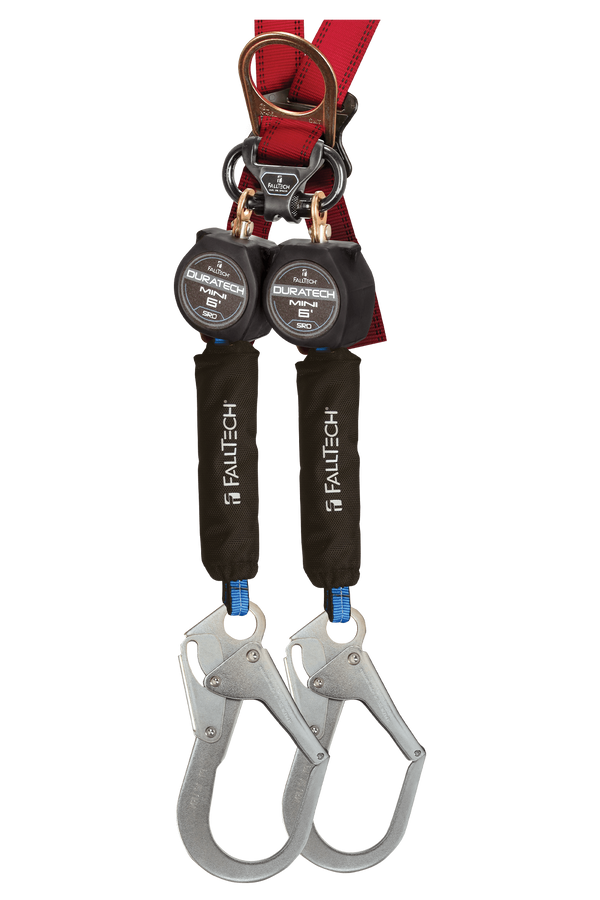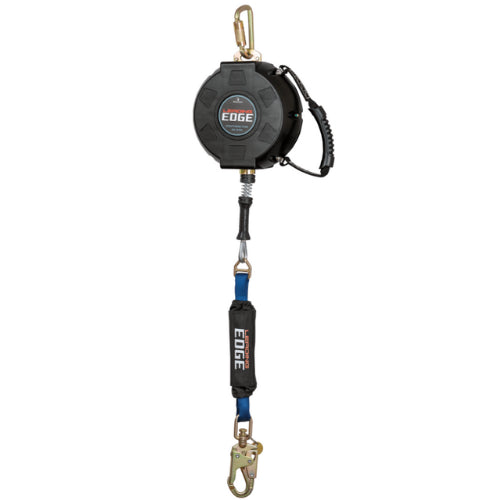
CSA-Compliant Fall Protection • Stocked in Canada

Self-Retracting Devices Canada | SRD Fall Arrest Systems

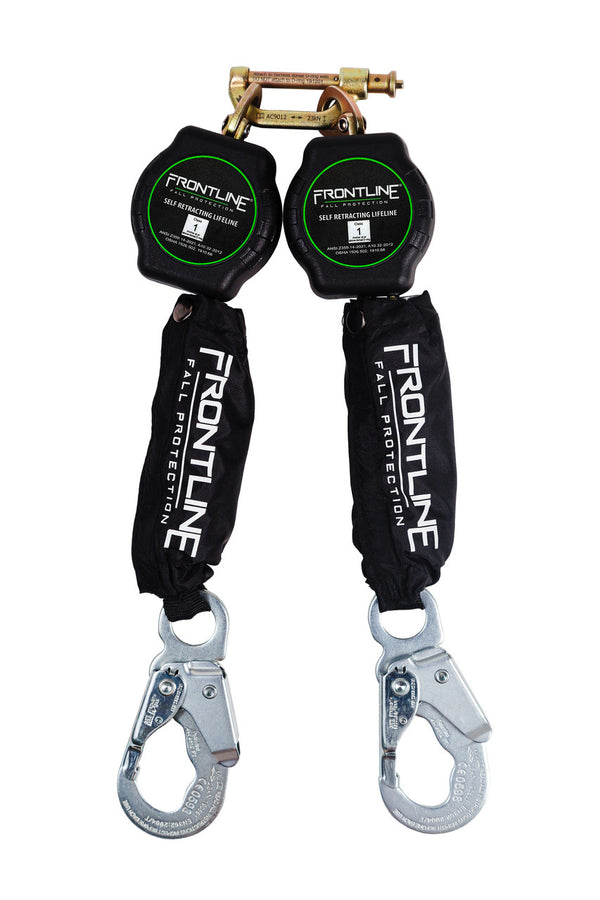
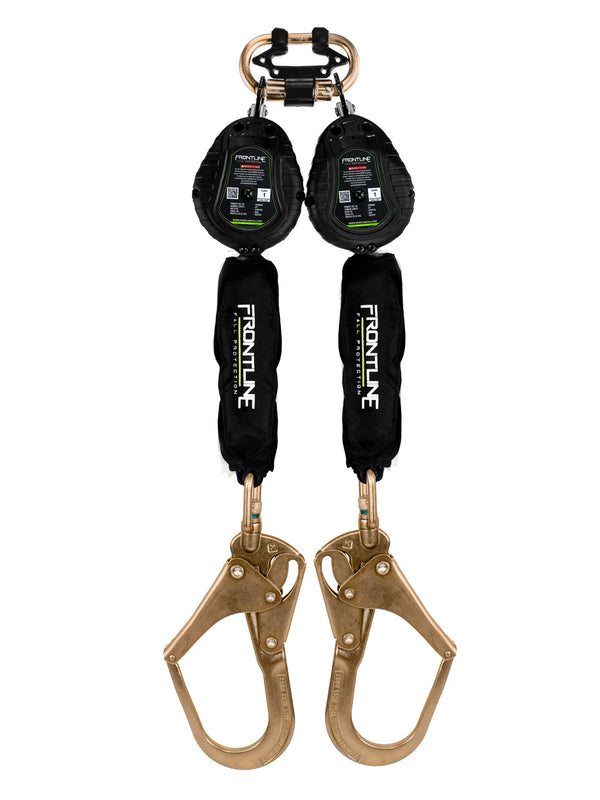
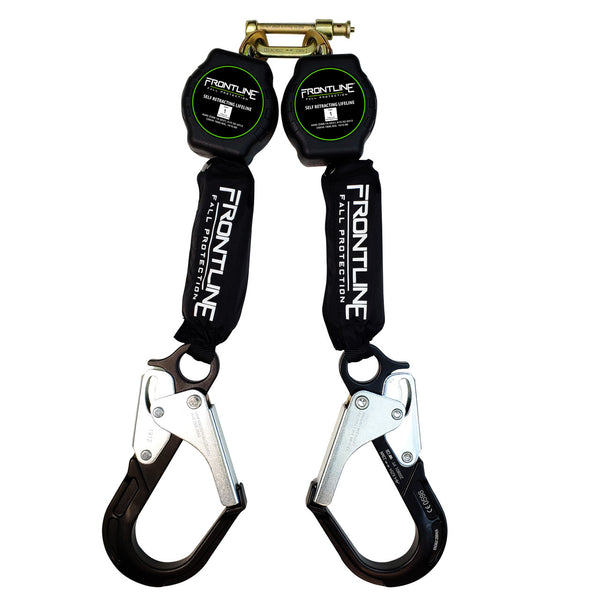
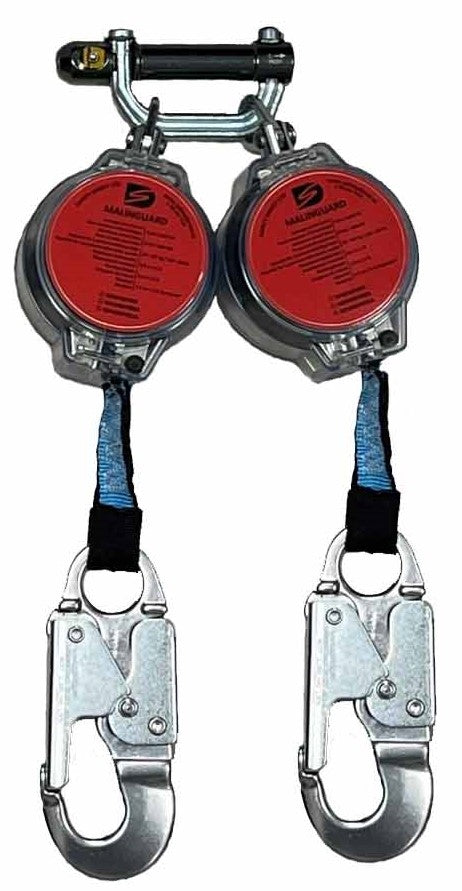
Automatic locking self-retracting devices engineered for Canadian roofing, construction, and industrial crews — choose cable or webbing models, personal or leading edge configurations, and proper mounting heights for CSA-compliant fall protection.

A self-retracting device (SRD) is the gold standard for worker mobility and fall arrest. Whether you're protecting roofers on flat decks, iron workers on steel, or maintenance crews on elevated platforms, the right SRD automatically locks during a fall while giving workers freedom to move safely at height.

  • CSA Z259 Certified
  • Cable Models
  • Webbing Models
  • Leading Edge
  • Personal SRD
  • Overhead Anchor
  • Auto-Locking
Need help with mounting height or selection? Call or Text 437-475-2066 or email support@fallprotectioncanada.com

Professional Fall Protection Equipment

Self-Retracting Devices in Canada

Automatic locking self-retracting lifelines built for Canadian jobsites. From personal cable and webbing models to leading edge systems, find the SRD that keeps your crew safe, mobile, and compliant.

🇨🇦

Canadian Warehouse
No duties or border delays

📞

Expert Support
Safety specialists on call

Compliance Ready
CSA standards where applicable

🚚

Fast Shipping
Coast to coast coverage

How to Choose the Right Self-Retracting Device

Not all SRDs are created equal. Your choice depends on mounting height, edge exposure, work environment, and mobility requirements. Here's how to narrow it down:

Personal Cable SRDs

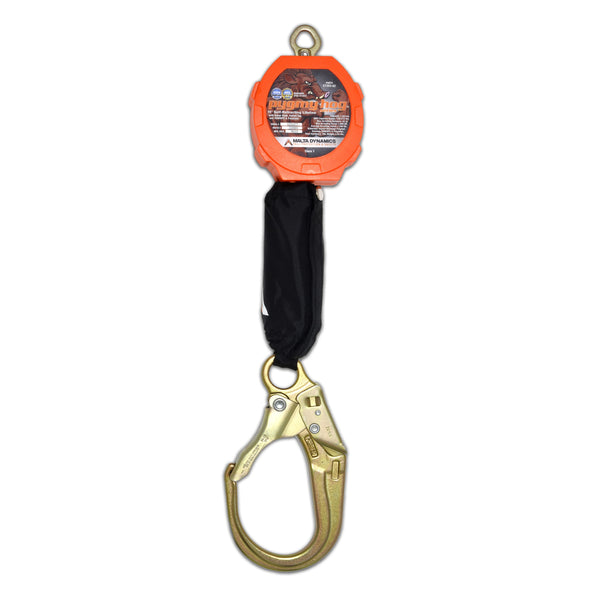
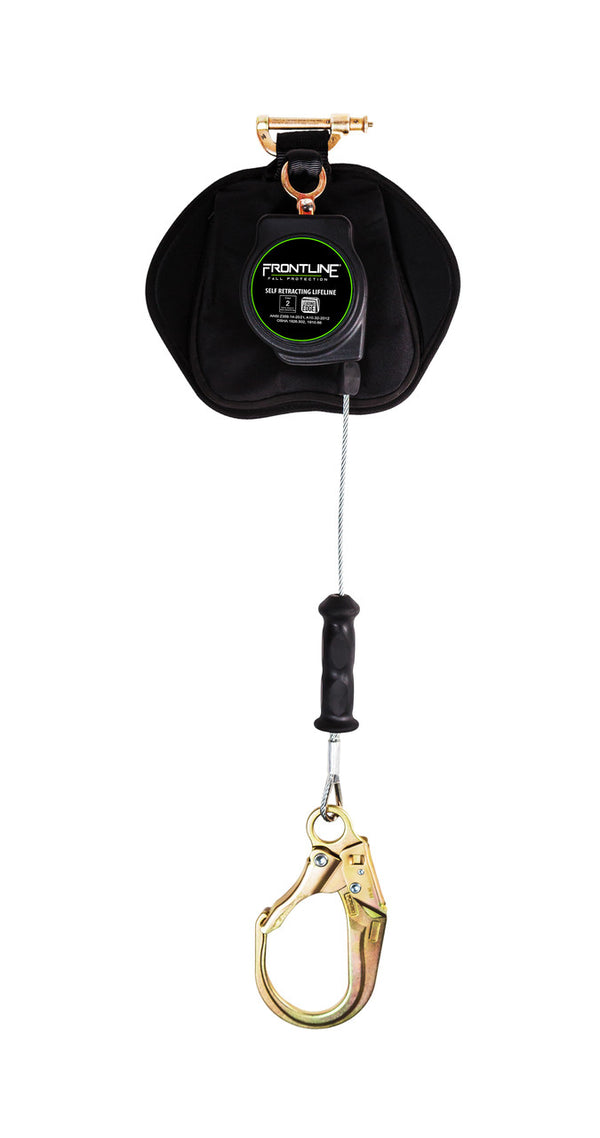
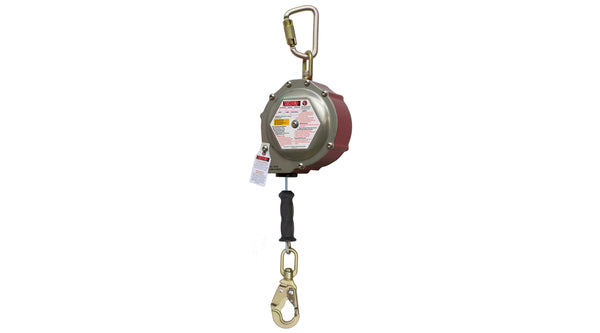
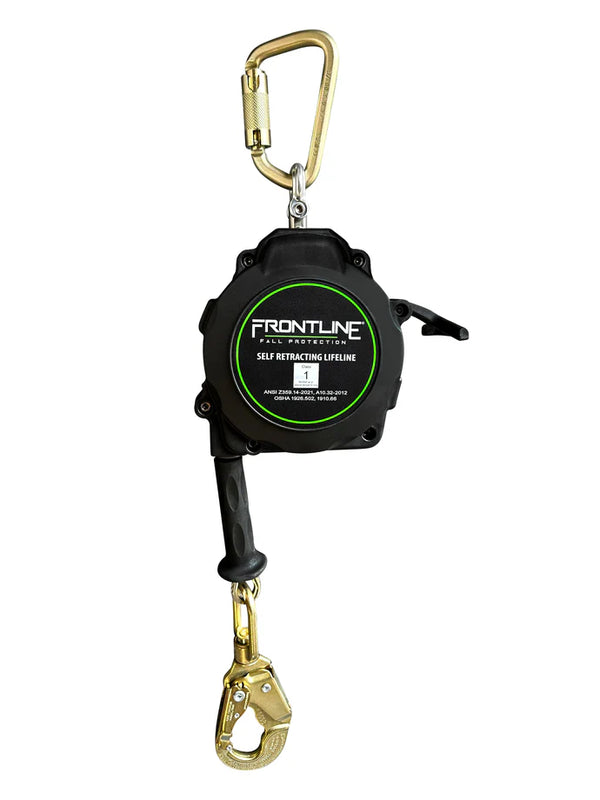
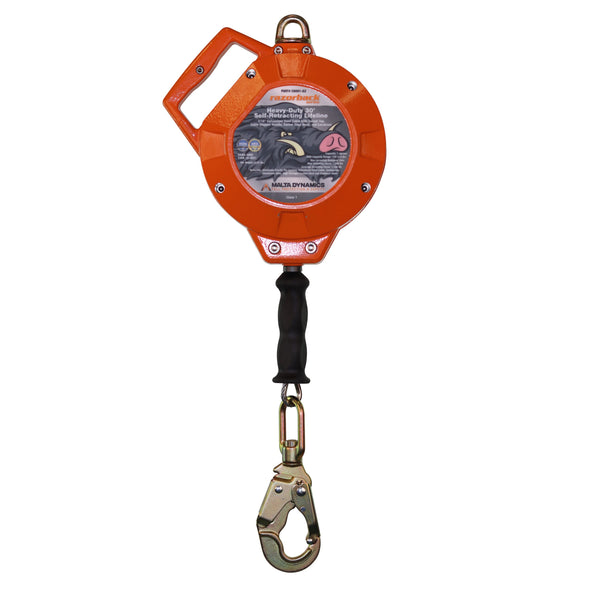
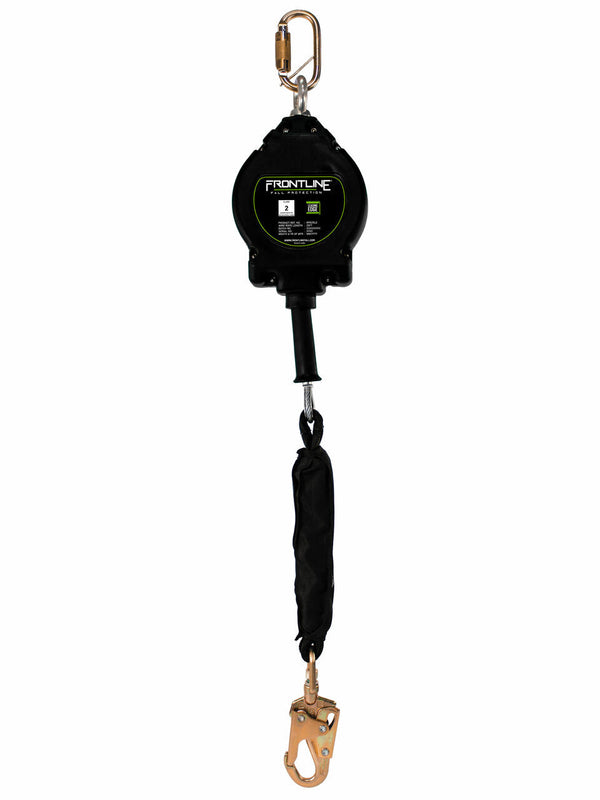
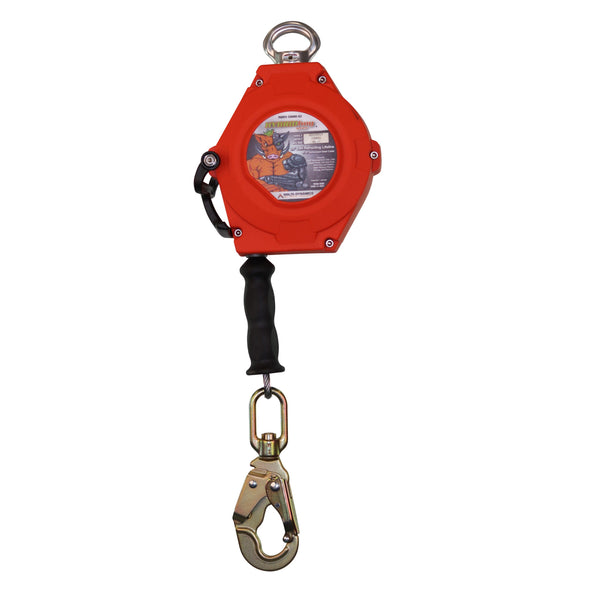
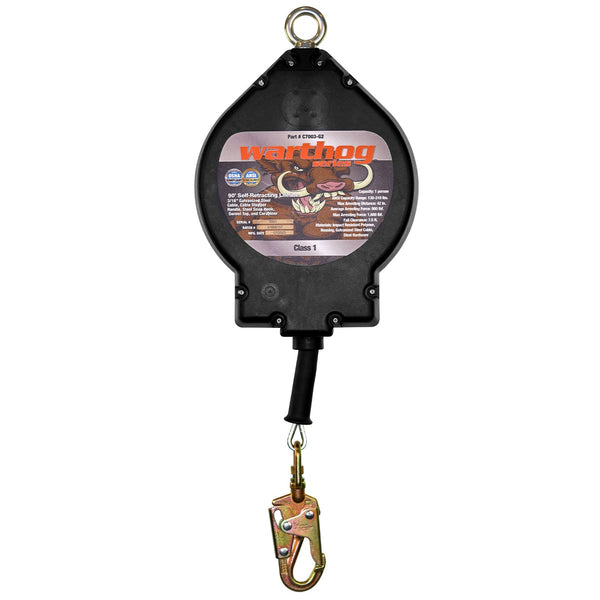
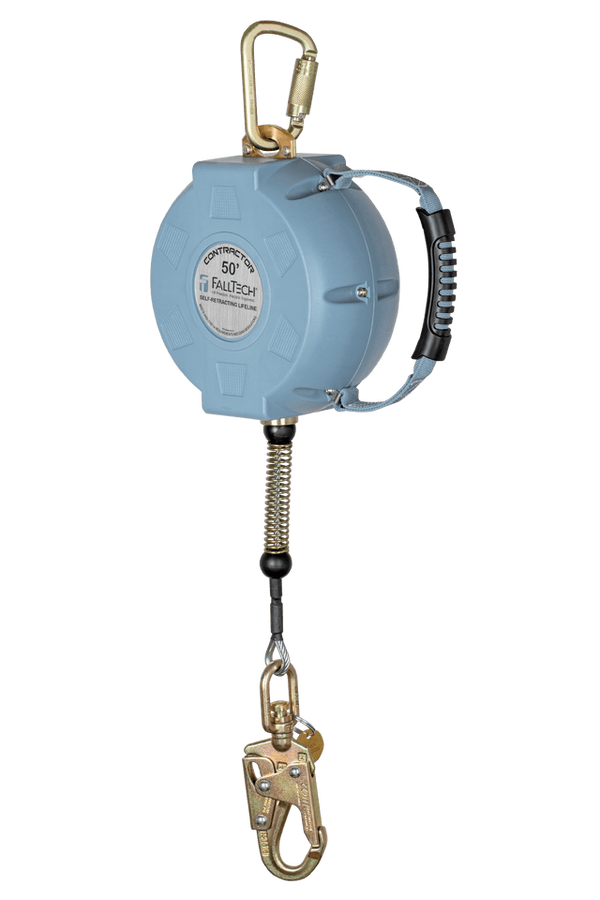
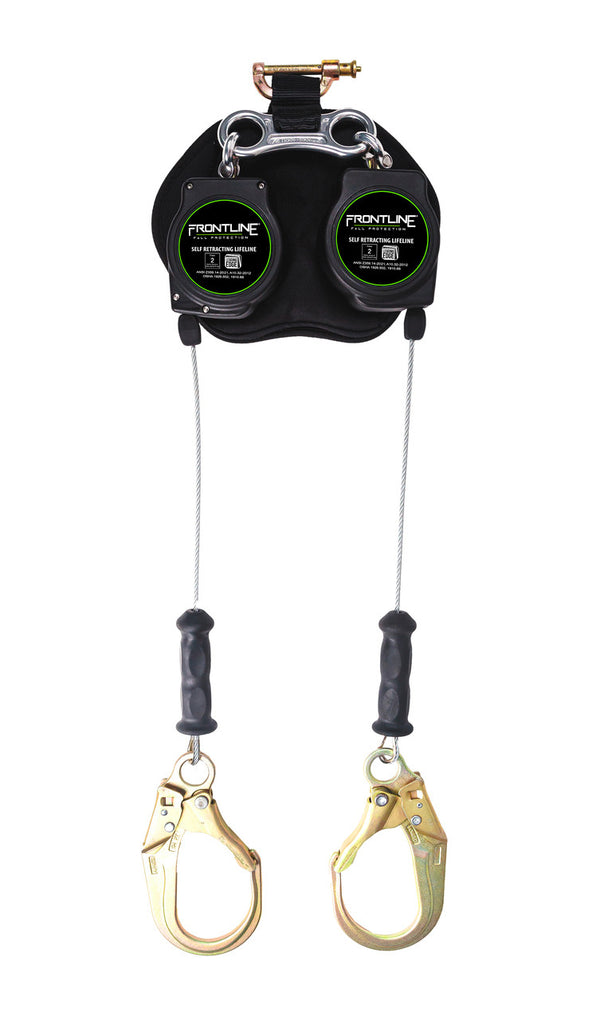
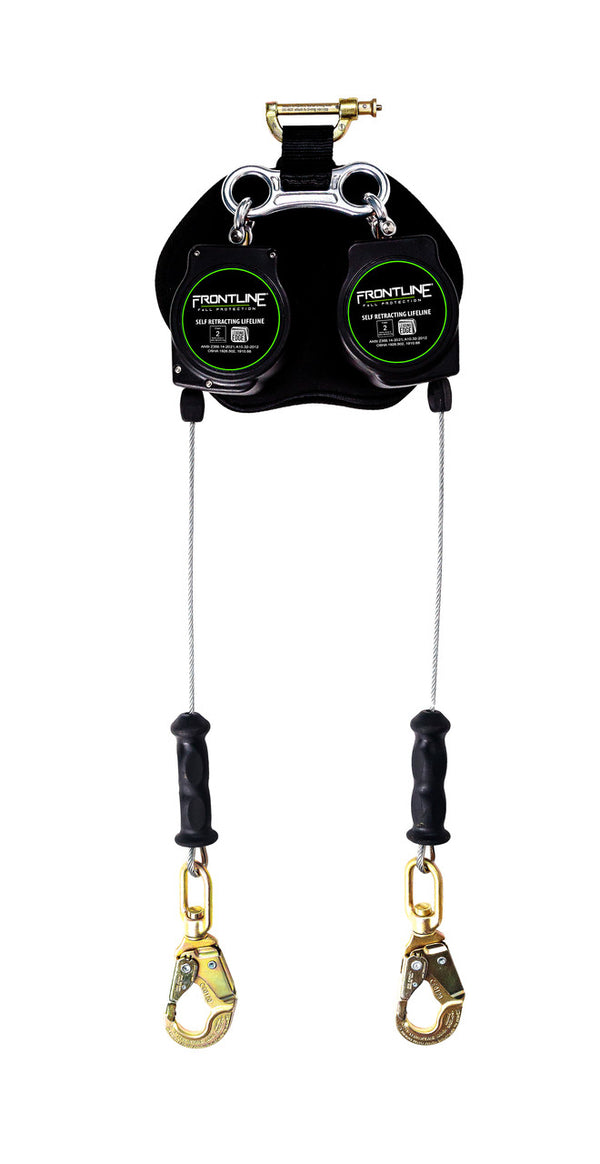
Lightweight and durable, cable SRDs use stainless steel wire rope for abrasion resistance. Ideal for overhead anchorage on steel structures, towers, and industrial settings. Compact design allows workers maximum mobility. Pair with a full body harness for complete protection.

Personal Webbing SRDs

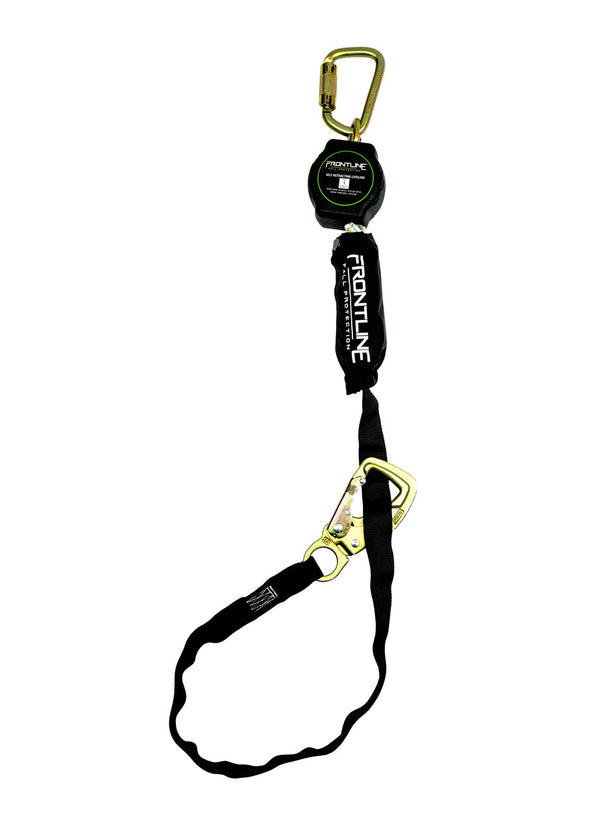
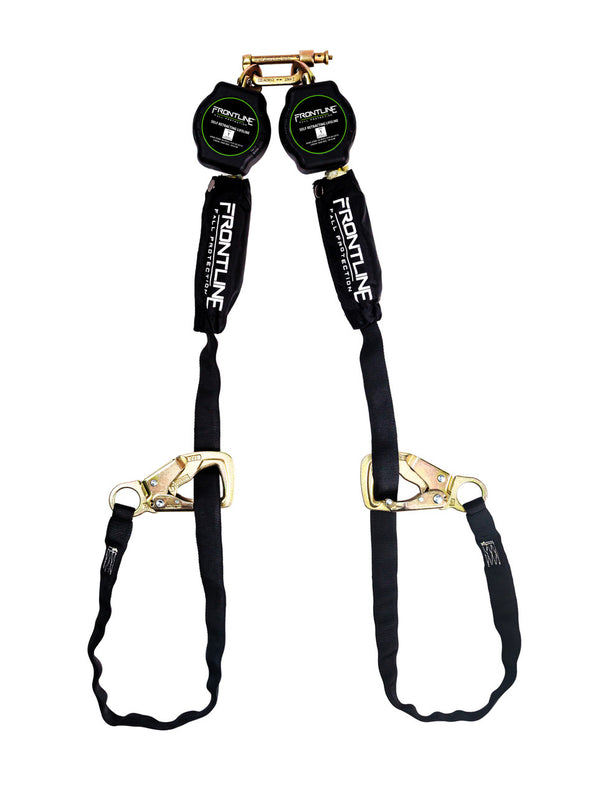
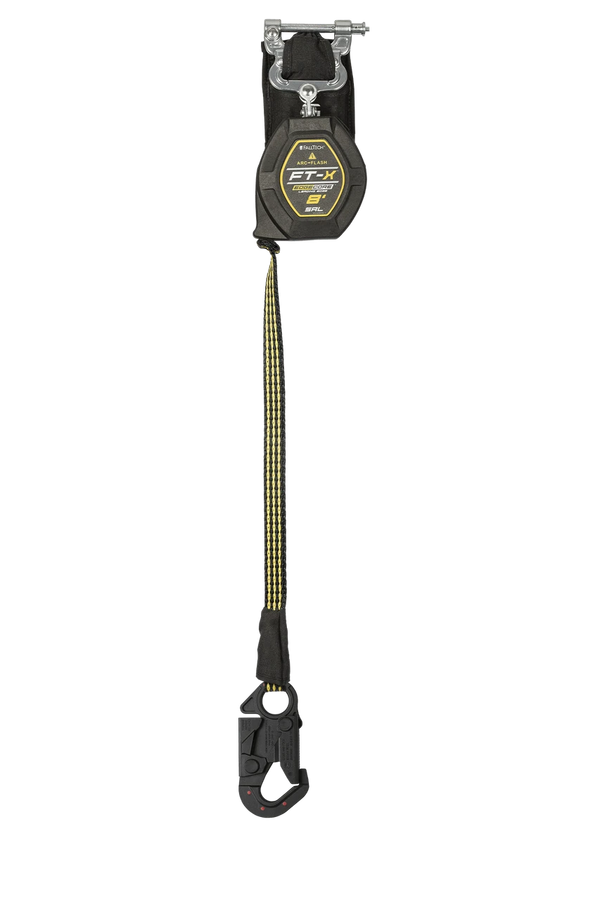
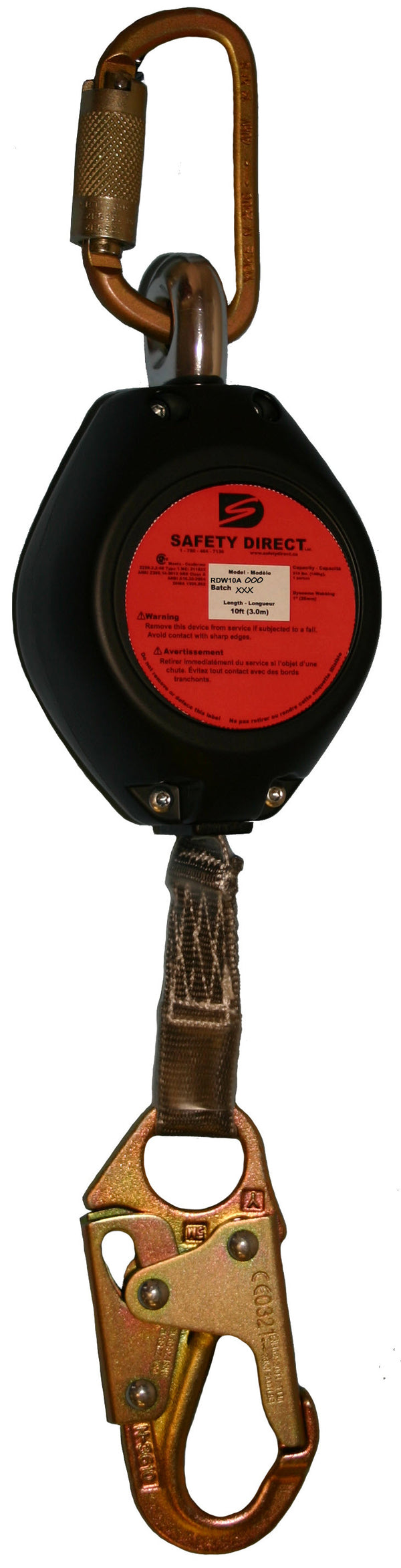
Featuring synthetic webbing instead of cable, these units are lighter and gentler on edges. Perfect for construction, roofing, and maintenance where lighter weight and leading edge capability are priorities. Available in various lengths to suit different work heights and clearance requirements.

Leading Edge SRDs

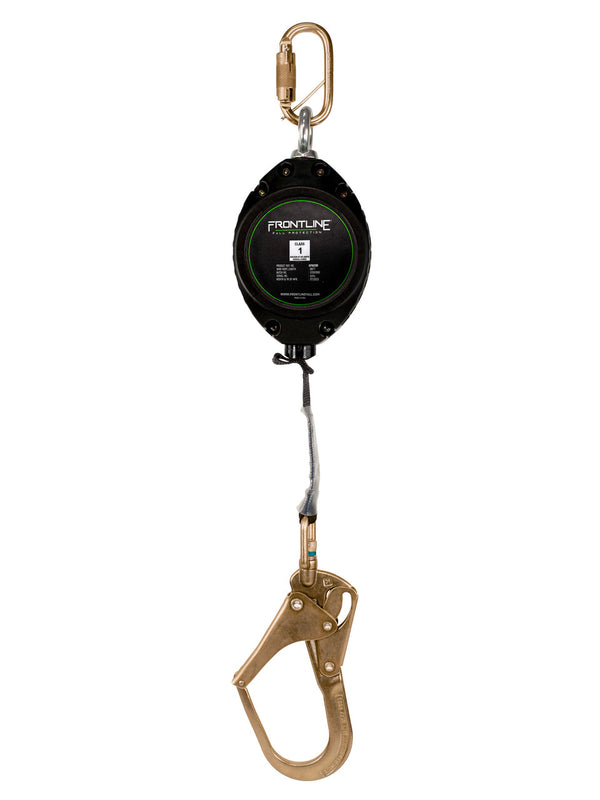
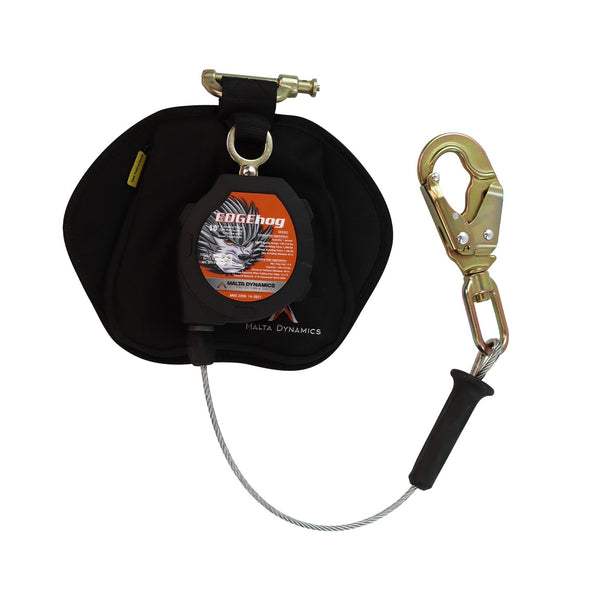
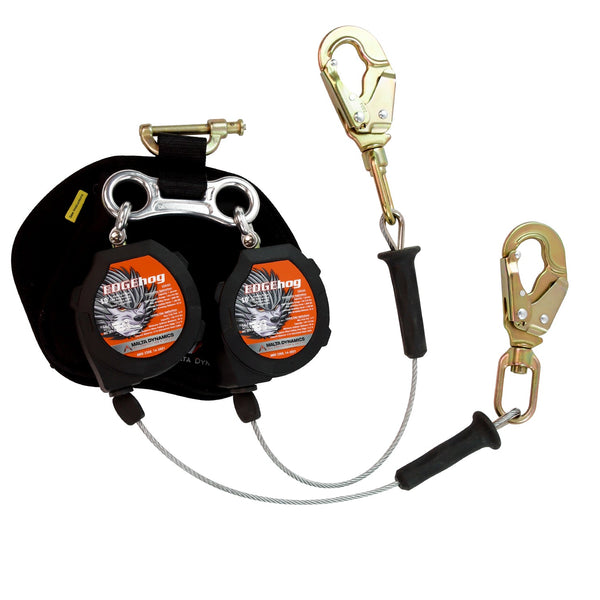
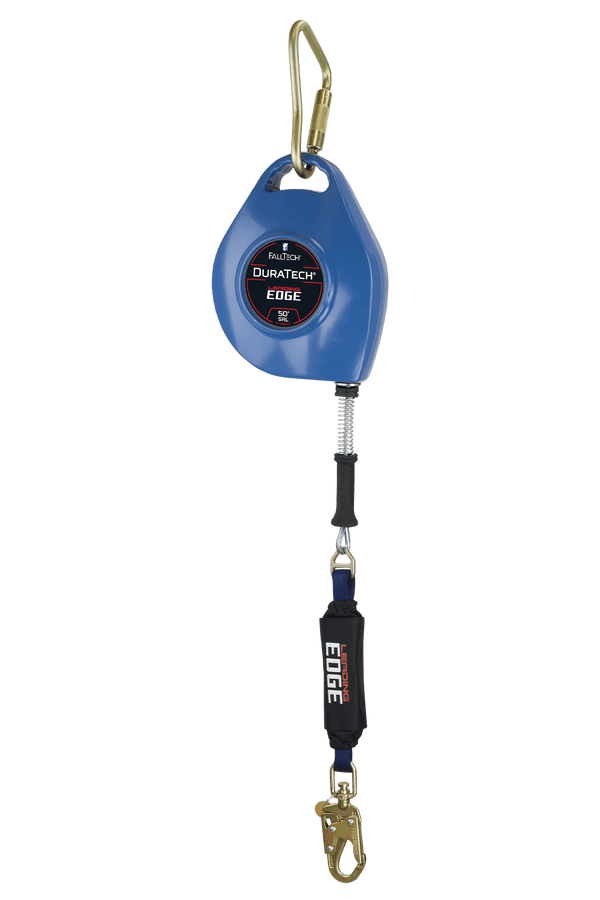
Specifically engineered to withstand sharp edge contact during a fall. Essential for steel erection, leading edge construction, and any application where the lifeline may come into contact with corners, beams, or sharp surfaces. These units meet stricter testing requirements for edge exposure.

Overhead Mount vs. Mobile

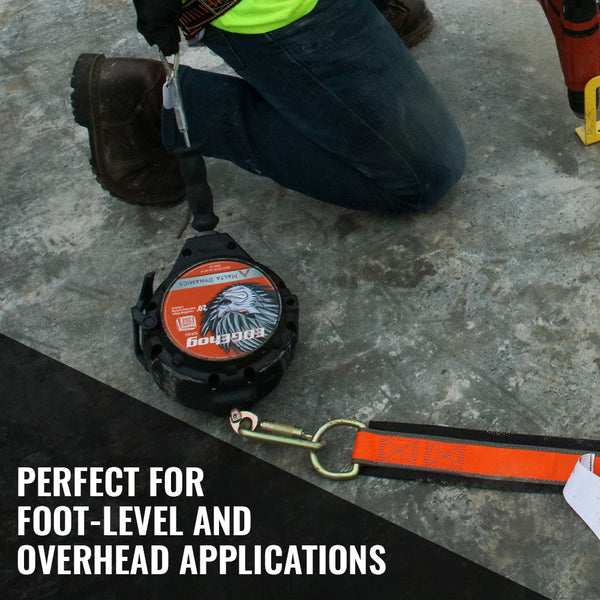
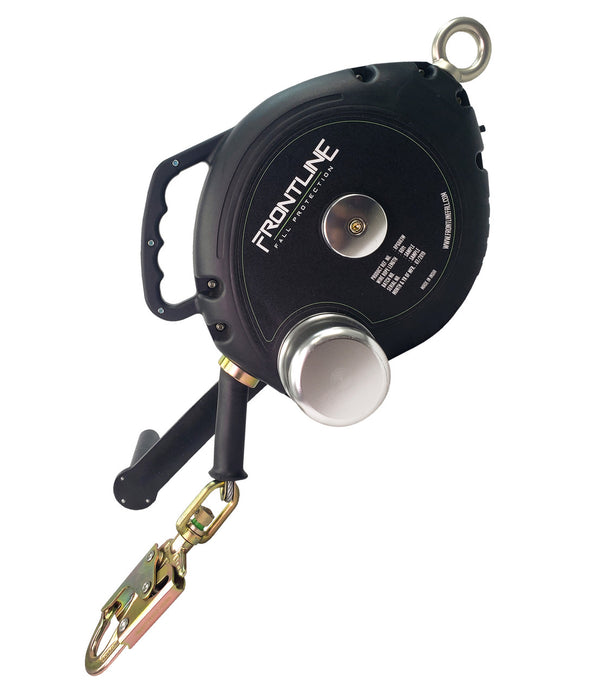
Most SRDs require overhead anchorage to function properly and minimize fall distance. Mobile cart systems allow SRDs to be relocated as work progresses. Choose based on your anchor configuration and whether workers need to move across large areas.

Why Canadian Contractors Trust Us

Real Jobsite Experience

We've been on the roof, in the trench, and up the tower. Our team understands the conditions you face and the equipment that holds up in Canadian weather.

No-Nonsense Compliance

We stock SRDs that meet or exceed Canadian regulatory requirements. From provincial OHS standards to federal labour codes, we help you stay legal and safe.

Support When You Need It

Questions about mounting heights, clearance calculations, or leading edge requirements? Our safety specialists are here to help—by phone, email, or chat.

Common SRD Questions

What's the difference between cable and webbing SRDs?

Cable SRDs use stainless steel wire rope, offering superior abrasion resistance and durability in harsh environments. They're ideal for industrial settings and repeated use. Webbing SRDs use synthetic material, making them lighter and often better suited for leading edge applications where the lifeline may contact sharp surfaces. Webbing is easier to inspect visually but may wear faster in abrasive conditions. Choose based on your work environment and edge exposure risks.

How do I calculate fall clearance for an SRD?

Fall clearance for an SRD is typically much less than a lanyard system. Calculate by adding: maximum lifeline payout during fall arrest (usually 2-4 feet depending on model), worker height from dorsal D-ring to feet, safety margin (minimum 3 feet), and any deceleration distance specified by the manufacturer. Always consult the SRD's user manual for exact clearance requirements, as these vary by model. SRDs mounted overhead dramatically reduce required clearance compared to lanyards.

Can I use a personal SRD for leading edge work?

No. Standard personal SRDs are designed for overhead anchorage without edge contact. If your lifeline may pass over or contact a sharp edge during use or a fall, you must use an SRD specifically rated and tested for leading edge applications. Leading edge SRDs feature reinforced lifelines and components designed to withstand the cutting forces and abrasion that occur when the lifeline contacts an edge under load. Using a standard SRD in leading edge conditions can result in lifeline failure and serious injury or death.

How often should I inspect my SRD?

Inspect before each use: check the housing for cracks or damage, ensure the lifeline retracts and extends smoothly without binding, inspect the lifeline for cuts or fraying, and verify all snap hooks and connections function properly. Conduct detailed annual inspections by a competent person, including internal mechanism checks per manufacturer guidelines. If an SRD has arrested a fall, remove it from service immediately and send it for professional inspection or replacement. Most manufacturers require recertification after a fall arrest event.

Complete Self-Retracting Device Solutions for Canadian Worksites

A self-retracting device (SRD), also called a self-retracting lifeline or SRL, represents the gold standard in fall protection technology. Whether you're securing ironworkers on structural steel in Toronto, roofers on commercial buildings in Vancouver, or maintenance technicians on elevated platforms in Calgary, the right SRD system provides automatic fall arrest with minimal free fall distance while allowing maximum worker mobility. At Fall Protection Canada, we supply cable and webbing SRDs engineered to perform in Canadian conditions, from frigid winter sites to humid summer construction environments.

How Self-Retracting Devices Work

Unlike traditional energy-absorbing lanyards that rely on shock absorbers and fixed lengths, an SRD uses an internal braking mechanism housed in a protective case. The lifeline—either cable or webbing—automatically extends and retracts as the worker moves, maintaining minimal slack. During normal operation, the lifeline pays out smoothly. In a fall, the sudden acceleration triggers an internal centrifugal brake that locks the lifeline within inches, arresting the fall with minimal free fall distance—typically less than 2 feet compared to 6+ feet for a standard lanyard.

This rapid arrest capability means less fall distance, reduced impact forces on the worker's body, and critically, much less required clearance below the work surface. For this reason, SRDs are often the only practical solution for work at lower elevations where traditional lanyard systems would require impractical clearance distances. The automatic retraction also eliminates trip hazards from slack line, improving overall jobsite safety.

Cable vs. Webbing: Understanding SRD Lifeline Materials

The choice between cable SRDs and webbing SRDs depends on your work environment, edge exposure, and durability requirements. Cable models use galvanized or stainless steel wire rope, typically 3/16" to 1/4" diameter. Cable excels in abrasion resistance, making it ideal for industrial environments with rough surfaces, sharp corners, and repeated use. Steel cable is also more resistant to UV degradation and chemical exposure. However, cable is heavier, and damage can be harder to detect during inspections since internal wire breaks may not be immediately visible.

Webbing SRDs use synthetic materials like polyester or nylon, similar to traditional lanyard construction. Webbing is significantly lighter, making these units easier to transport and handle. More importantly, webbing performs better in leading edge applications—the material can withstand contact with sharp edges better than cable, and damage is immediately visible during inspection. Webbing SRDs are popular in construction, roofing, and scenarios where workers may move near structural steel, concrete edges, or other sharp surfaces. The trade-off is reduced abrasion resistance compared to cable and more susceptibility to UV and chemical damage over time.

Leading Edge vs. Personal SRDs: Critical Differences

One of the most important—and often misunderstood—distinctions in self-retracting lifelines is between personal and leading edge rated models. Personal SRDs are designed for overhead anchorage applications where the lifeline will not come into contact with sharp edges during use or a fall. These units are lighter, less expensive, and perfectly adequate for many construction and maintenance scenarios where proper overhead anchorage exists and edge contact is not a concern.

Leading edge SRDs are specifically engineered and tested to withstand lifeline contact with sharp edges during a fall arrest event. When a fall occurs near a building edge, beam, or other sharp surface, the lifeline may be dragged across that edge under load—forces sufficient to cut through standard SRD lifelines. Leading edge models feature reinforced lifelines (often with abrasion-resistant covers), strengthened internal components, and designs that account for the additional forces generated when the lifeline bends over an edge. They're essential for steel erection, leading edge construction, and any scenario where edge contact is possible. Using a personal SRD in a leading edge application is extremely dangerous and can result in lifeline failure during a fall.

Mounting Height and Fall Clearance Considerations

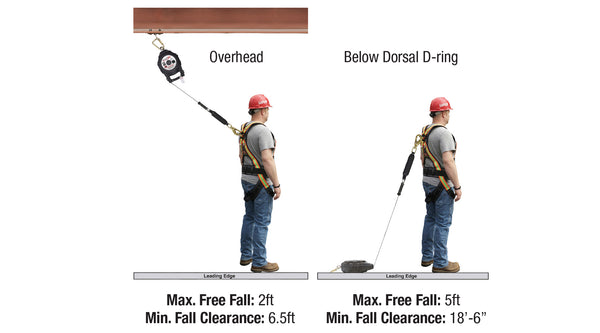
SRDs must be mounted overhead whenever possible—ideally directly above or slightly behind the worker's work area. Overhead mounting minimizes fall distance and prevents swing falls, which occur when a worker falls while working away from the anchor point. The farther a worker moves laterally from the anchor, the greater the potential swing distance and impact forces against structures during a fall. Most manufacturers recommend limiting horizontal travel to no more than a 30-degree angle from vertical to minimize swing fall hazards.

Despite their reduced clearance requirements compared to lanyards, SRD systems still require careful clearance calculations. Total clearance equals maximum lifeline payout during arrest (manufacturer-specific, typically 2-4 feet) plus the distance from the worker's dorsal D-ring to their feet (approximately 5-6 feet for average workers) plus a safety margin (minimum 3 feet). Always consult the specific SRD's user manual for exact clearance specifications. For low-elevation work, specialized reduced-clearance SRDs are available that minimize fall distances even further, sometimes to as little as 8-10 feet total clearance.

SRD Lengths and Capacity Ratings

Self-retracting devices are available in various lifeline lengths to accommodate different work heights and configurations. Common lengths range from 20 feet for basic elevated work to 100+ feet for tower climbing, bridge work, and high-rise construction. Shorter units are lighter and more portable but limit vertical travel. Longer SRDs provide flexibility but require stronger anchorage and more robust mounting systems to support the unit's weight plus fall arrest forces.

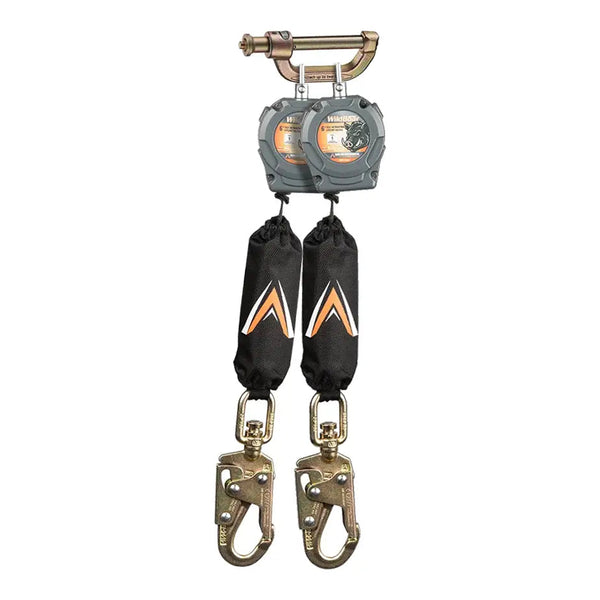
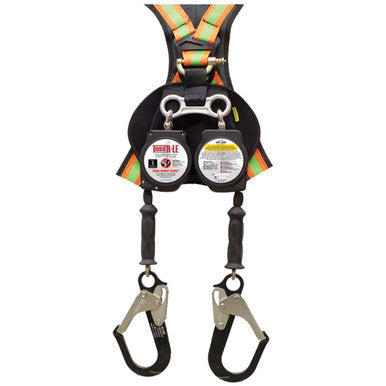
Most SRDs are rated for workers weighing up to 310 pounds including tools and equipment, though lighter-duty models rated for 130kg (286 lbs) and heavier-duty models rated for 420 pounds are also available. Always verify the SRD's capacity rating matches or exceeds your workers' total weight including clothing, tools, and gear. Overloading an SRD can result in braking failure during a fall. For multi-worker applications, specialized twin or triple-leg SRDs are available that allow multiple workers to tie off to a single unit, though each lifeline has independent fall arrest capability.

Anchorage Requirements for SRD Systems

Because of their weight and the forces generated during fall arrest, SRDs have more demanding anchorage requirements than simple lanyards. The anchorage must support the weight of the SRD unit itself (typically 10-50 pounds depending on size) plus the forces generated during a fall arrest—typically 3,600 pounds (16 kN) for general personal fall arrest, or 5,000 pounds (22.2 kN) for leading edge applications. The anchor must also be positioned to accommodate the SRD's housing and allow free movement of the lifeline in all directions.

Common anchorage solutions include structural steel beams, engineered anchor points, overhead lifeline systems, and mobile anchor carts for situations where workers must move across large areas. For temporary or difficult anchorage situations, some SRDs can be mounted to tripods or davit arms, though these require careful setup and additional clearance calculations. Always ensure anchorage is installed and inspected by a competent person and meets applicable CSA Z259 standards. Never attach an SRD to guardrails, scaffolding, or other structures not rated for fall arrest forces.

Inspection, Maintenance, and Service Requirements

Unlike simple lanyards that can be visually inspected end-to-end, SRD systems contain complex internal mechanisms requiring more thorough inspection protocols. Before each use, verify the housing is free from cracks, dents, or damage, check that the lifeline extends and retracts smoothly without binding or excessive resistance, inspect the exposed lifeline for cuts, kinks, corrosion (cable), or fraying (webbing), and test that all snap hooks and connectors function properly with gates that close and lock securely.

Annual detailed inspections by a competent person are required under CSA standards and most provincial regulations. These inspections should include internal mechanism examination per manufacturer specifications, testing of braking function, verification of labeling and identification, and documentation of serial numbers, inspection dates, and findings. Many manufacturers require periodic recertification—typically every 2-5 years—where the unit is sent back to the manufacturer or authorized service center for complete disassembly, testing, and parts replacement.

If an SRD has arrested a fall, it must be immediately removed from service. Even if external damage isn't visible, the internal braking mechanism may have been stressed or damaged. Send fall-arrested units to the manufacturer for inspection—many can be refurbished and returned to service, but only after professional evaluation and recertification. Never attempt to repair an SRD in the field or use replacement parts not approved by the manufacturer. Improper repairs can compromise the braking mechanism and result in catastrophic failure during the next fall arrest event.

SRDs in Complete Fall Protection Systems

A self-retracting device is a component of a complete fall protection system, not a standalone solution. Workers must wear a properly fitted full body harness with a dorsal (back) D-ring connection. The SRD must be anchored to a suitable overhead anchor point capable of supporting fall arrest forces. For mobile work across large areas, horizontal lifeline systems or mobile anchor carts may be required to maintain proper overhead positioning as workers move.

Training is absolutely essential. Workers must understand how to properly attach the SRD snap hook to their dorsal D-ring (never to front D-rings or side D-rings unless specifically designed for SRD connection), how to position themselves to avoid swing falls, how to recognize when the SRD is binding or not retracting properly, and what to do if a fall occurs. Rescue plans are equally critical—if an SRD arrests a fall and leaves a worker suspended, they must be rescued within minutes to prevent suspension trauma. Ensure rescue equipment, trained personnel, and documented procedures are in place before workers begin elevated tasks.

Regulatory Compliance and CSA Standards

Self-retracting devices sold in Canada must meet CSA Z259.2.2 (Self-Retracting Devices for Personal Fall-Arrest Systems). This standard specifies performance requirements including maximum arrest forces, lifeline strength, activation speeds, and testing protocols. Leading edge SRDs must additionally meet CSA Z259.2.2 leading edge testing requirements, which subject the unit to more severe edge contact scenarios. When selecting an SRD, always verify CSA certification and ensure the model is appropriate for your specific application—personal or leading edge.

Provincial and territorial occupational health and safety regulations govern fall protection system requirements, including when SRDs must be used, training requirements, inspection frequencies, and documentation. Regulations vary by jurisdiction and industry. Alberta, Ontario, British Columbia, and other provinces have specific fall protection codes that reference CSA standards and mandate competent person involvement in fall protection planning. Consult your provincial regulations and a qualified safety professional to ensure your SRD system design, selection, and use protocols comply with applicable requirements.

Why Buy From a Canadian Supplier?

Sourcing your self-retracting devices in Canada means faster shipping, no customs delays, easier warranty processing, and support from people who understand Canadian regulations, standards, and climate conditions. When equipment ships from overseas, you face duty fees, border processing delays, and potential compatibility issues with North American anchorage and harness systems. At Fall Protection Canada, every SRD in our catalog is stocked in Canada, ready to ship the same day to your jobsite or warehouse. We're available to answer technical questions, help with clearance calculations, process warranty claims, and ensure your fall protection program meets CSA standards and provincial regulations—from the Maritimes to the Prairies to the West Coast.

Important: Fall protection equipment must be selected, used, and maintained by a competent person in accordance with manufacturer instructions, applicable standards (including CSA Z259 series), and provincial or territorial occupational health and safety regulations. This webpage provides general information only and does not replace professional training, hazard assessment, or engineering judgment. Fall Protection Canada is not liable for misuse or improper application of equipment. When in doubt, consult a qualified safety professional.