CSA-Compliant Fall Protection • Stocked in Canada

Safety Lifelines Canada | Vertical & Horizontal Lifeline Systems

Rope and cable lifeline systems engineered for Canadian construction, roofing, and industrial crews — choose vertical lifelines with rope grabs, horizontal cable systems, or overhead track lifelines for continuous fall protection and worker mobility at height.

A safety lifeline system provides continuous fall protection for workers who need to move across or along elevated work areas. Whether you're protecting climbers on vertical ladders, roofers traversing pitched surfaces, or steel workers moving along beams, the right fall protection lifeline maintains 100% tie-off while enabling efficient work at height.

  • CSA Z259 Certified
  • Vertical Lifelines
  • Horizontal Lifelines
  • Rope Grabs
  • Cable Systems
  • Overhead Track
  • Multi-User Rated
Need help with system design or engineering? Call or Text 437-475-2066 or email support@fallprotectioncanada.com

Vertical & Horizontal Lifelines | Fall Protection Canada | CSA Compliant

Professional Fall Protection Equipment

Safety Lifelines in Canada

Vertical and horizontal lifeline systems built for Canadian jobsites. From rope grabs and cable systems to overhead track lifelines, find the lifeline solution that keeps your crew safe and mobile at height.

🇨🇦

Canadian Warehouse
No duties or border delays

📞

Expert Support
Safety specialists on call

Compliance Ready
CSA standards where applicable

🚚

Fast Shipping
Coast to coast coverage

How to Choose the Right Lifeline System

Not all lifeline systems are created equal. Your choice depends on work direction, span requirements, and mobility needs. Here's how to narrow it down:

Vertical Lifelines

Rope or cable systems that run vertically, ideal for ladder climbing, tower work, and vertical access. Workers attach via rope grabs or shuttle devices that travel with them and lock during a fall. Perfect for fixed-ladder applications and scaffolding when paired with a full body harness.

Horizontal Lifelines

Cable, rope, or rail systems that span horizontally across a work area. Allow workers to move freely along the length while maintaining continuous fall protection. Available in temporary (portable) and permanent (engineered) configurations for roofing, steel erection, and industrial maintenance.

Overhead Track Systems

Rigid rail or trolley systems mounted overhead that provide smooth horizontal movement. Commonly used in manufacturing, warehousing, and maintenance environments. Reduces trip hazards and provides superior mobility compared to cable systems. Requires structural engineering for proper installation.

Temporary vs. Permanent Systems

Temporary lifelines are portable and reusable, ideal for short-term projects like roofing or renovation. Permanent systems are engineered and installed for the life of the structure. Choose based on project duration, frequency of use, and proper anchor points.

Why Canadian Contractors Trust Us

Real Jobsite Experience

We've been on the roof, in the trench, and up the tower. Our team understands the conditions you face and the equipment that holds up in Canadian weather.

No-Nonsense Compliance

We stock lifeline systems that meet or exceed Canadian regulatory requirements. From provincial OHS standards to federal labour codes, we help you stay legal and safe.

Support When You Need It

Questions about system design, span calculations, or installation? Our safety specialists are here to help—by phone, email, or chat.

Common Lifeline Questions

What's the difference between vertical and horizontal lifelines?

Vertical lifelines run up and down (like on ladders or towers) and workers attach with rope grabs that move with them. Horizontal lifelines span across a work area side-to-side, allowing lateral movement while maintaining fall protection. Vertical systems are for climbing and vertical access, while horizontal systems are for moving across roofs, beams, or work platforms.

Can I install a horizontal lifeline system myself?

Temporary, portable horizontal lifeline systems designed for single-user applications can often be installed following manufacturer instructions. However, permanent systems and multi-user configurations require engineering calculations for sag, tension, deflection, and anchor capacity. Always involve a qualified professional engineer for permanent installations or multi-worker systems.

How many workers can use a horizontal lifeline at once?

This depends on the system design and engineering. Single-user systems are rated for one worker at a time. Multi-user systems must be engineered to account for increased loads, sag, and potential for multiple simultaneous falls. Never exceed the manufacturer's rated capacity—doing so can cause system failure and serious injury or death.

How often should lifeline systems be inspected?

Inspect before each use for damaged rope, cable, or hardware, and conduct detailed annual inspections by a competent person. Permanent systems may require more frequent inspections depending on exposure to UV, chemicals, abrasion, or weather. Replace any components showing wear, corrosion, or damage. Systems that have arrested a fall must be removed from service immediately.

Complete Fall Protection Lifeline Solutions for Canadian Worksites

A safety lifeline system provides continuous fall protection for workers who need to move across or along a work area at height. Whether you're protecting roofers moving across a pitched roof in Calgary, steel workers traversing beams in Toronto, or maintenance crews accessing towers in Vancouver, choosing the right fall protection lifeline ensures your crew maintains 100% tie-off while working efficiently. At Fall Protection Canada, we supply vertical and horizontal lifeline systems engineered to meet the demands of Canadian jobsites, from sub-zero winter conditions to the heat and humidity of summer construction.

Understanding Vertical vs. Horizontal Lifeline Systems

The fundamental difference between vertical lifelines and horizontal lifelines is the direction of travel and application. Vertical lifeline systems run up and down—they're designed for climbing applications like fixed ladders, scaffolding, towers, and vertical shafts. Workers attach to the lifeline using a rope grab or shuttle device that travels with them as they climb. In the event of a fall, the rope grab locks onto the lifeline, arresting the fall with minimal distance.

Horizontal lifeline systems, by contrast, span across a work area from side to side. They can be temporary (portable cable or rope systems) or permanent (engineered cable or rail systems) and allow workers to move laterally while maintaining continuous fall protection. These are essential for roofing work, steel erection, bridge maintenance, and any application where workers need to traverse a horizontal plane. Both systems must be used with a properly fitted full body harness and appropriate connectors.

Vertical Lifeline Systems: Types and Applications

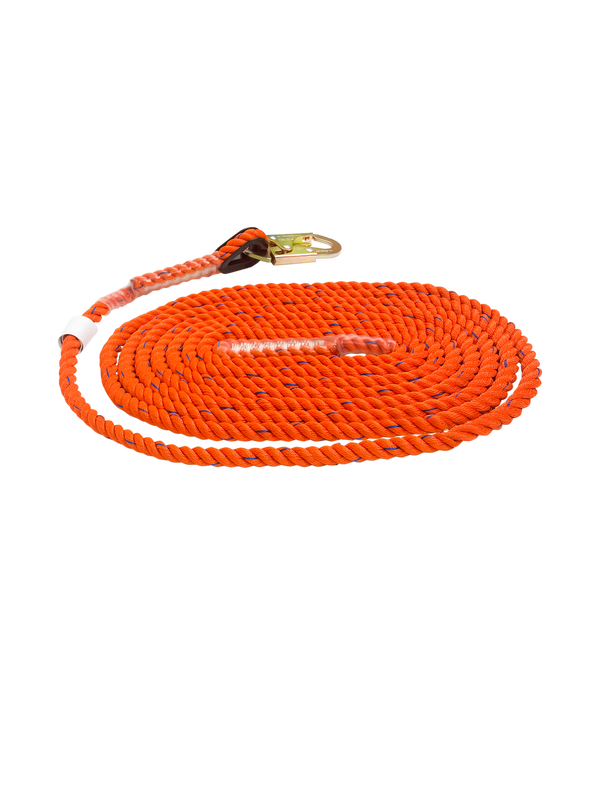
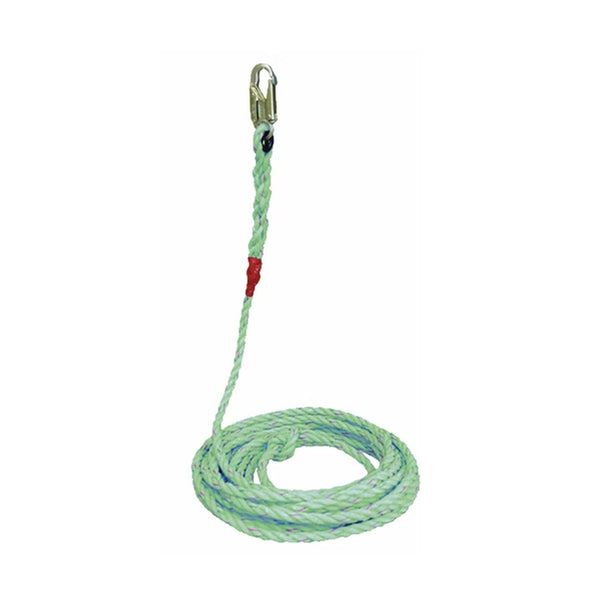
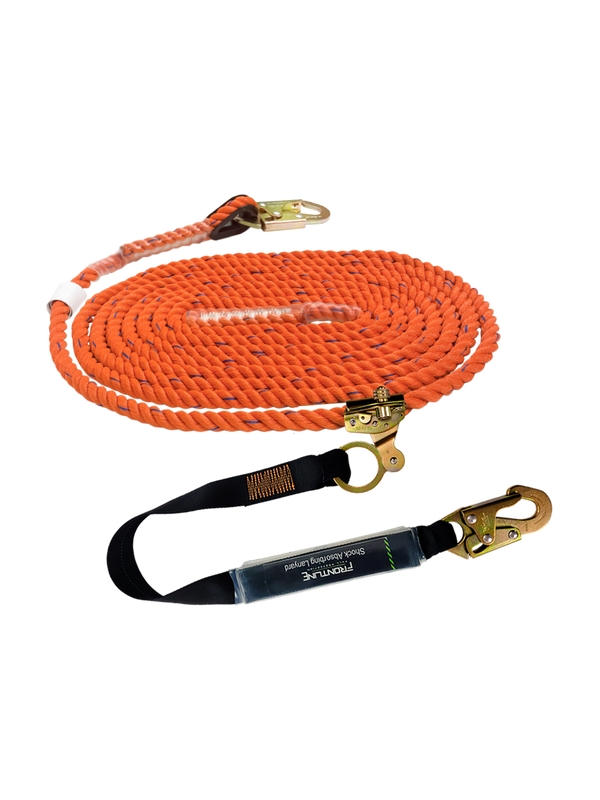
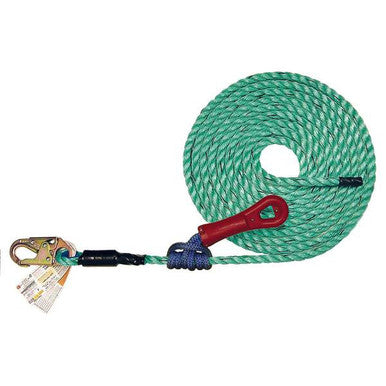
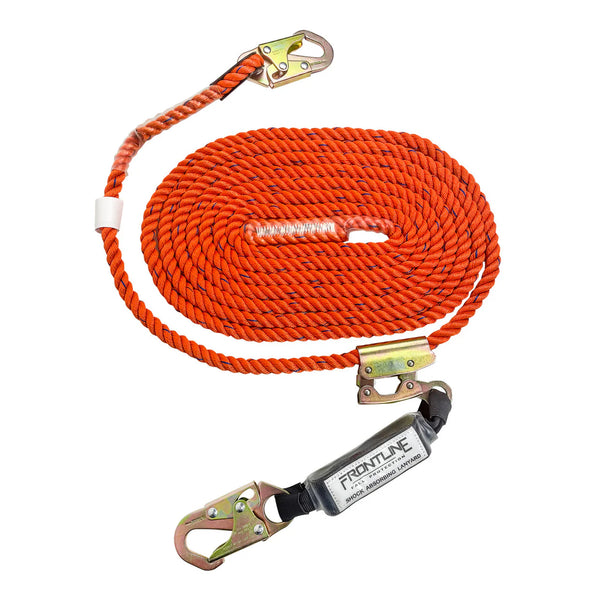
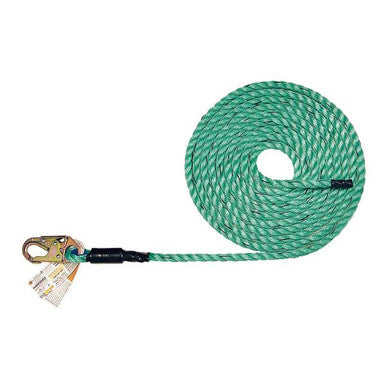
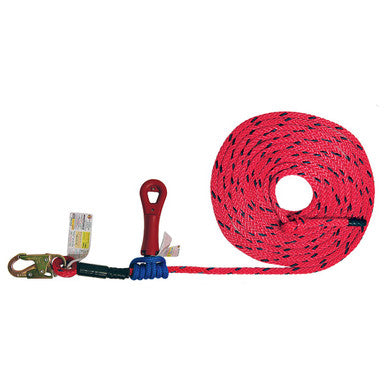
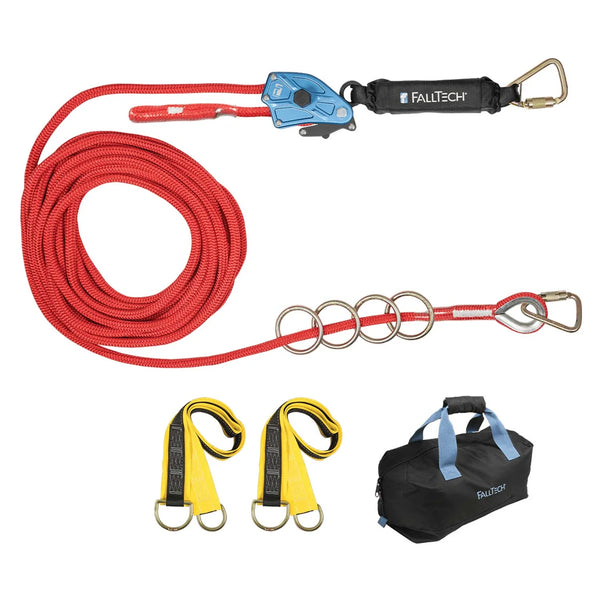
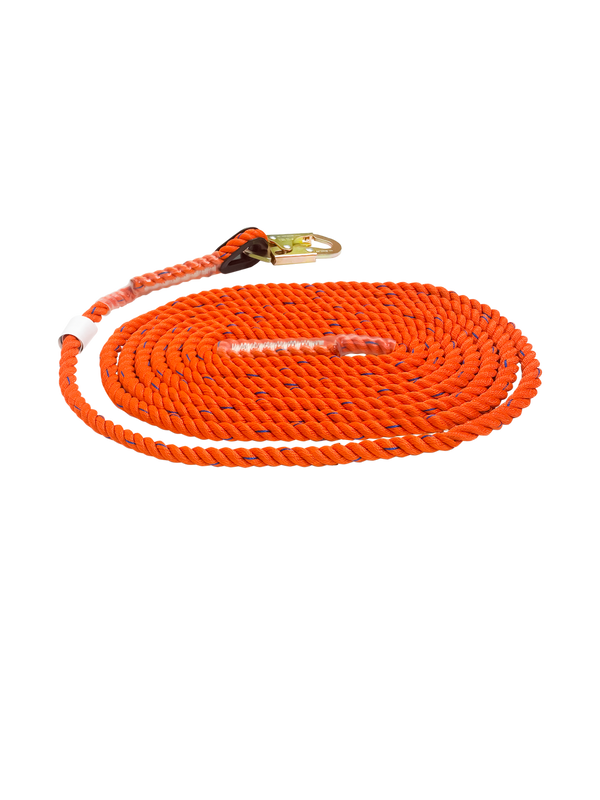
Vertical lifelines come in several configurations. The most common is the rope-based vertical lifeline with a manual rope grab. These systems feature synthetic rope (typically kernmantle construction) anchored at the top, with workers attaching a rope grab device that slides freely during normal movement but locks instantly during a fall. They're ideal for intermittent climbing applications and are popular in construction, telecommunications, and utility work.

Cable-based vertical lifelines use stainless steel or galvanized steel cable instead of rope, offering superior durability for permanent installations exposed to weather, UV, and abrasion. They're commonly found on fixed ladders, communication towers, and industrial silos. Some systems feature guided-type fall arresters (shuttle devices) that run on rails or rigid cable guides, providing smoother operation and reduced wear compared to rope grabs on cable.

When selecting a vertical lifeline, consider the height of climb, frequency of use, environmental exposure, and whether you need a single-user or multi-user system. Permanent installations on fixed ladders exceeding 20 feet typically require ladder safety systems or climb assist devices under Canadian regulations. Always ensure your vertical lifeline is properly anchored at the top with adequate strength (typically 5,000 lbs or 22 kN minimum) and that fall clearance below the worker is sufficient.

Horizontal Lifeline Systems: Temporary vs. Permanent

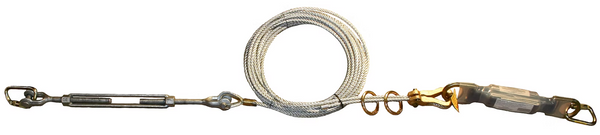
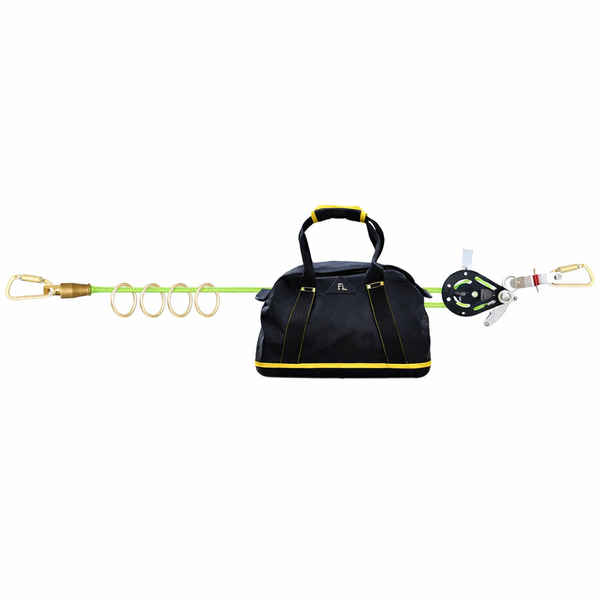
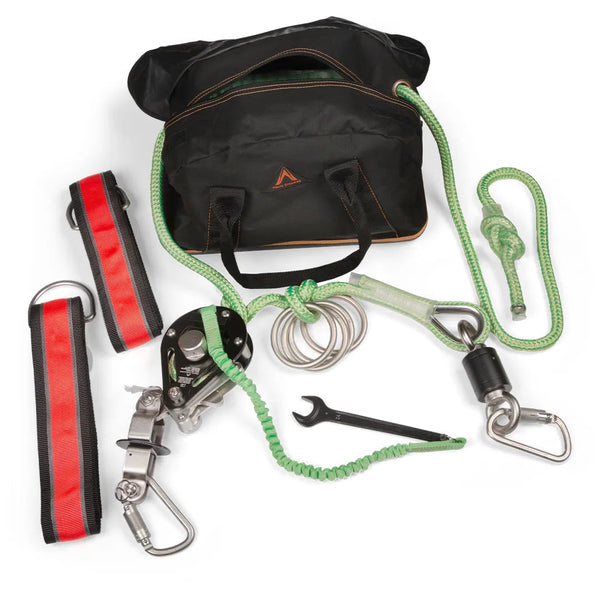
Temporary horizontal lifelines are portable, reusable systems ideal for short-term projects like roofing, HVAC installation, or building envelope work. They typically consist of synthetic rope or wire rope cable with end anchors and tensioning devices. Most temporary systems are designed for single-user applications, meaning only one worker can be attached at a time. They're quick to install and remove, making them cost-effective for contractors working on multiple sites.

Permanent horizontal lifelines are engineered systems designed for the life of the structure. They can be cable-based (with intermediate supports and energy absorbers) or rigid rail systems. Permanent systems can often accommodate multiple users simultaneously, but this requires specific engineering to account for increased loads, sag, deflection, and the potential for multiple workers to fall at once. Engineering calculations must consider cable tension, anchor capacity, total system deflection during a fall, and clearance below workers.

Rigid rail or track systems represent the premium option for horizontal fall protection. These overhead systems use aluminum or steel rails with trolleys or shuttles that workers attach to. They provide superior mobility, eliminate trip hazards associated with underfoot cables, and offer smooth, low-friction movement. They're common in manufacturing, warehousing, aircraft maintenance, and anywhere workers need to move frequently along a defined path. Installation requires structural engineering and proper roof or building structure attachment.

System Design Considerations and Engineering

Installing a horizontal lifeline system isn't as simple as stringing a cable between two points. Proper engineering is critical to ensure the system performs as intended during a fall. Key factors include span length (distance between anchors), sag (how much the cable drops under load), tension (force in the cable), deflection (how far the system moves during a fall arrest), and clearance (vertical distance below the system to prevent ground strike).

For temporary systems, manufacturers provide installation instructions with maximum span lengths and anchor requirements. Exceeding these limits can result in excessive sag, overloaded anchors, or insufficient clearance. For permanent systems or any multi-user configuration, a professional engineer must design the system, specifying cable size, anchor locations, intermediate supports, energy absorbers, and tension requirements. This is not optional—it's required under Canadian occupational health and safety regulations and can mean the difference between a system that saves lives and one that fails catastrophically.

Anchor selection is equally critical. Each anchor point must be capable of supporting the maximum anticipated load, typically 5,000 lbs (22 kN) per worker for fall arrest applications. For horizontal systems, anchors must resist both vertical and horizontal forces. Roof anchors, beam clamps, and structural tie-offs must be evaluated by a competent person or engineer to ensure they can handle the applied loads without failure. Pair your lifeline system with quality anchorage solutions designed for your specific application.

Connecting to Lifeline Systems: Lanyards, Rope Grabs, and Shuttles

Workers don't connect directly to lifeline systems—they use intermediate connection devices. For vertical lifelines, this means rope grabs (also called fall arresters) that slide freely along the rope or cable during normal movement but lock instantly during a fall. Rope grabs come in manual and automatic varieties, with automatic models offering hands-free operation as workers climb up or down.

For horizontal lifelines, workers typically connect using a shock-absorbing lanyard or energy-absorbing connector attached to a shuttle or trolley that rides along the lifeline. The lanyard absorbs fall forces, protecting both the worker and the lifeline system. Some systems use specialized energy absorbers built into the lifeline itself, eliminating the need for shock-absorbing lanyards. Understanding which connection method is required for your specific system is critical—using the wrong connector can compromise the entire system's performance.

When moving along a horizontal lifeline, workers must pass intermediate anchors or supports. This requires temporary detachment and reattachment, creating a brief moment of exposure. For critical applications, consider using double-leg lanyards or specialized pass-through connectors that maintain 100% tie-off during transitions. Training workers on proper connection and movement techniques is essential for effective fall protection.

Inspection, Maintenance, and Replacement

A damaged or worn lifeline system can fail when you need it most. Pre-use inspections are mandatory before every use: examine rope or cable for cuts, abrasion, kinks, broken strands, rust, or chemical damage. Inspect hardware including turnbuckles, tensioners, anchors, and connectors for cracks, deformation, corrosion, or wear. Check rope grabs and shuttles for proper operation—they should slide freely but lock immediately when jerked. Any component showing damage or wear must be removed from service.

Annual detailed inspections by a competent person are required under most Canadian provincial regulations. For permanent systems, more frequent inspections may be necessary depending on environmental exposure and use frequency. Document all inspections in writing, including system identification, date, findings, and corrective actions. Replace rope, cable, and hardware according to manufacturer recommendations—rope typically has a service life of 2-5 years, while cable can last longer if properly maintained.

If a lifeline system arrests a fall, it must be immediately removed from service and inspected by a competent person or manufacturer. Even if no visible damage is apparent, energy-absorbing components may have deployed and require replacement. The cost of inspection and component replacement is negligible compared to the cost of a system failure, serious injury, or fatality.

Building a Complete Fall Protection System

A lifeline system is one component of an effective fall protection program. You'll also need properly fitted and maintained full body harnesses, appropriate lanyards or connecting devices, reliable anchorage, and in some cases, self-retracting lifelines for specific applications. Rescue planning is equally critical—if a worker falls on a lifeline system, you must have procedures and equipment in place to retrieve them quickly and safely.

Training is non-negotiable. Workers must understand how to properly connect to the system, move along it safely, recognize hazards, and use their equipment correctly. Supervisors and competent persons must be trained on system design, inspection, and emergency response. Consult a qualified safety professional or engineer to design and implement a system tailored to your specific work environment, hazards, and regulatory requirements.

Why Buy From a Canadian Supplier?

Sourcing your fall protection lifeline systems in Canada means faster shipping, no customs delays, and support from people who understand Canadian regulations and weather conditions. When equipment arrives from overseas, you may face duty fees, lengthy border processing, and compatibility questions with North American standards. At Fall Protection Canada, every lifeline system in our catalog is stocked in Canada, ready to ship to your jobsite or warehouse the same day. We're here to answer your questions, help with system design and engineering referrals, process warranty claims, and ensure your crew stays compliant—from St. John's to Victoria.

Important: Fall protection equipment must be selected, used, and maintained by a competent person in accordance with manufacturer instructions, applicable standards (including CSA Z259 series), and provincial or territorial occupational health and safety regulations. Horizontal lifeline systems must be designed by a professional engineer when used for multiple workers or permanent installations. This webpage provides general information only and does not replace professional training, engineering judgment, or hazard assessment. Fall Protection Canada is not liable for misuse or improper application of equipment. When in doubt, consult a qualified safety professional or professional engineer.