

SCROLL
SAFETY HARNESSES · CSA Z259.10 · ANSI Z359.11
Safety Harnesses in Canada — CSA-Compliant Full-Body Fall Protection
Full-body fall arrest harnesses for roofers, steel erectors and general contractors — parachute and vest styles, tongue-and-buckle or quick-connect, with back, side and shoulder D-ring options. Stocked in Paris, Ontario and priced in CAD. Each harness lists its actual certification, stated plainly.
- CSA Z259.10
- Ships from Paris, ON
- CAD — no duties
- Same-day dispatch
- Crew packs quoted
Shop Safety Harnesses
LIVE INVENTORY · CAD PRICING · ADD TO CART
-

-
-
-
-
-
-
-
-
-
-
-
-
-
-
-
-
-
-
-
-
SALE 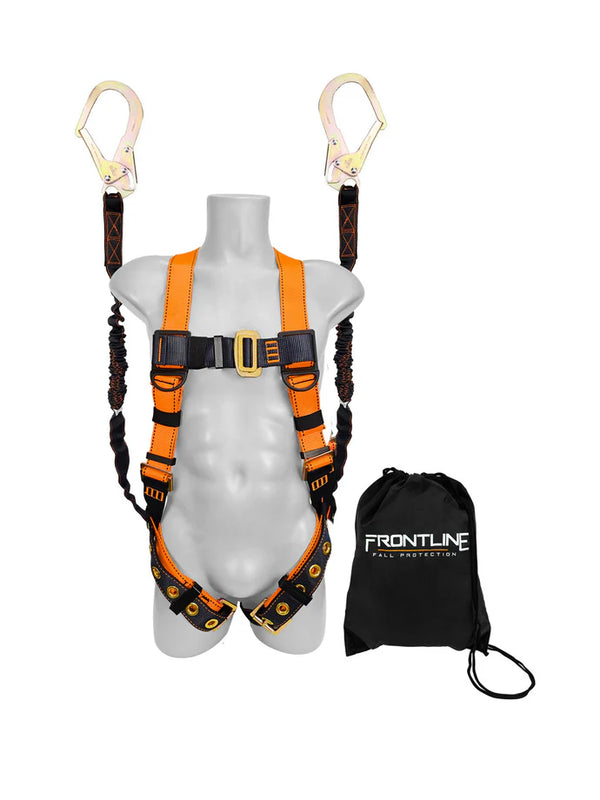
-
-
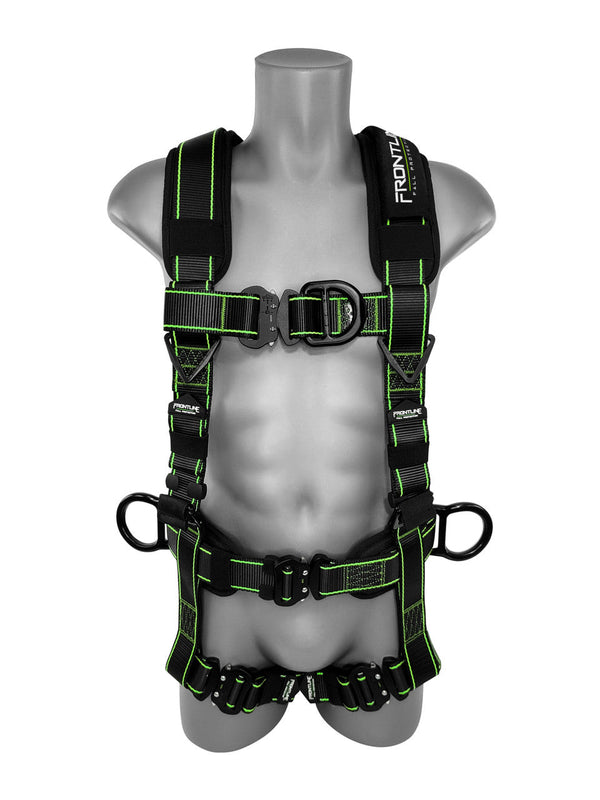
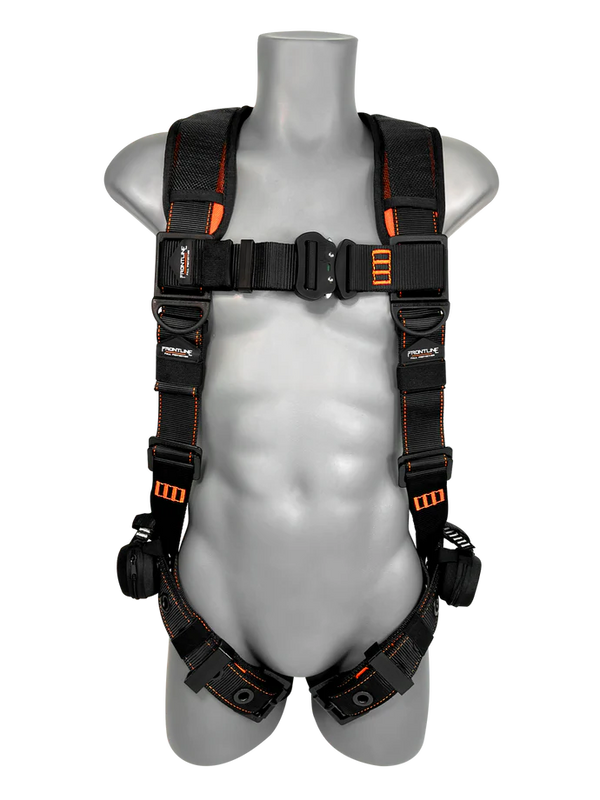
SALE 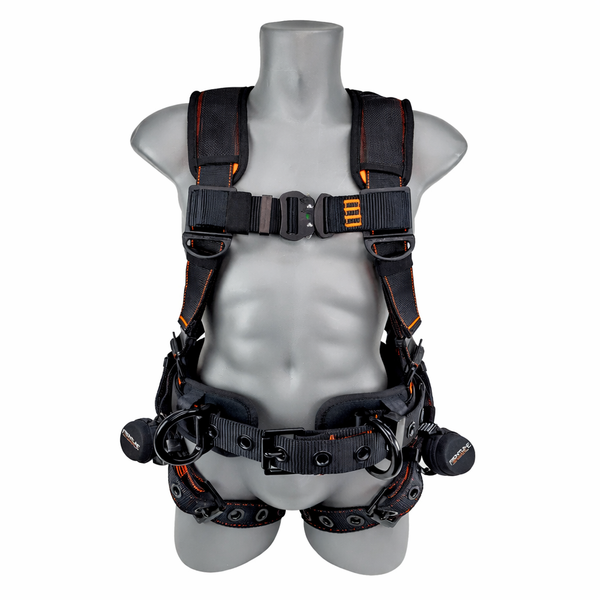 Fall Protection Canada
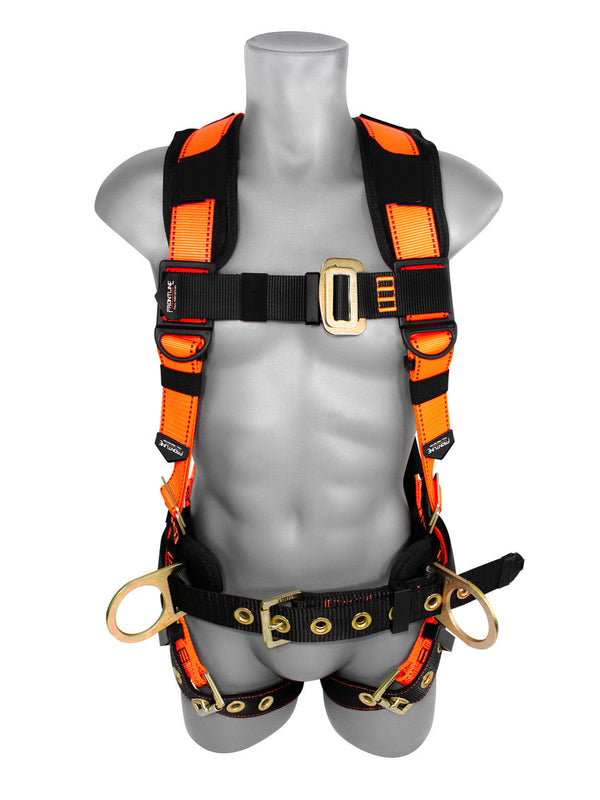
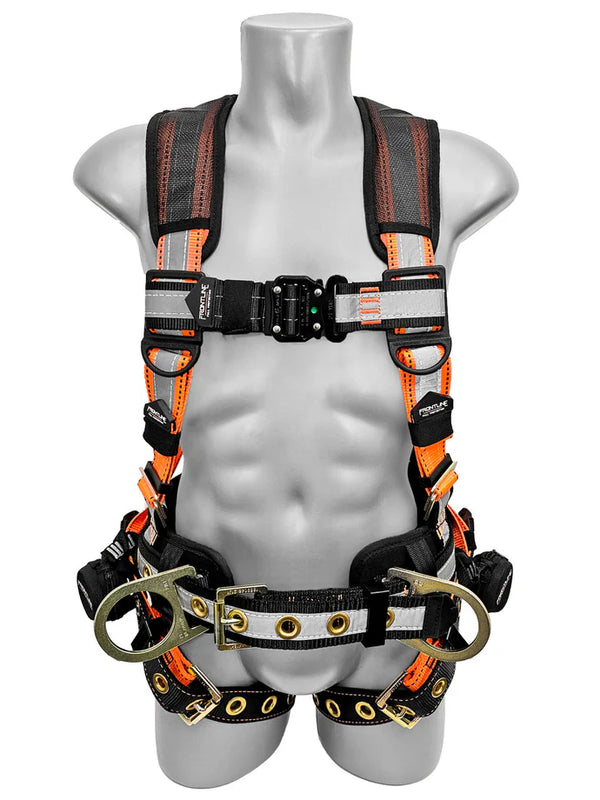
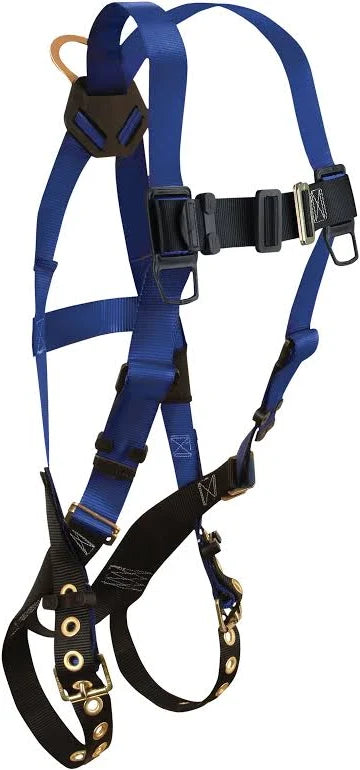
Frontline 110CTB Combat™ Lite Full Body Harness – All Alu...
$399.00$299.00Options -
SALE 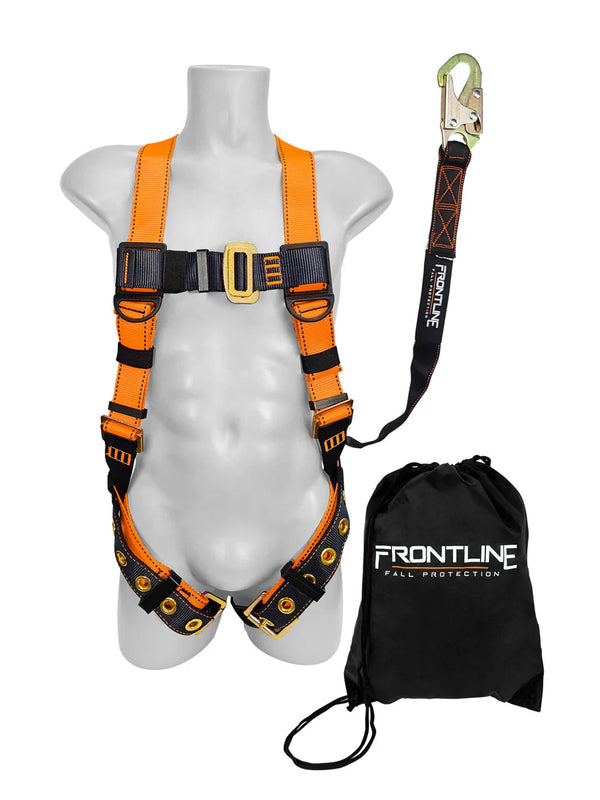
-
-
-
SALE 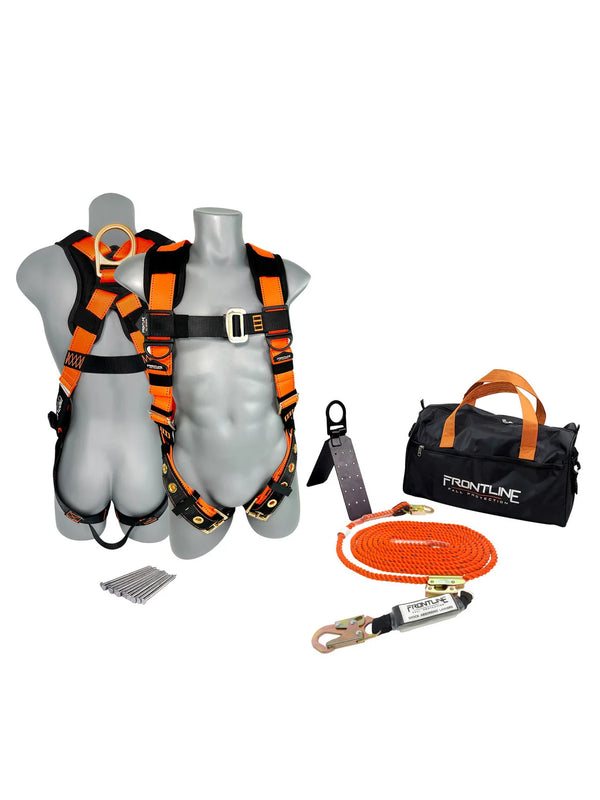
-
SALE 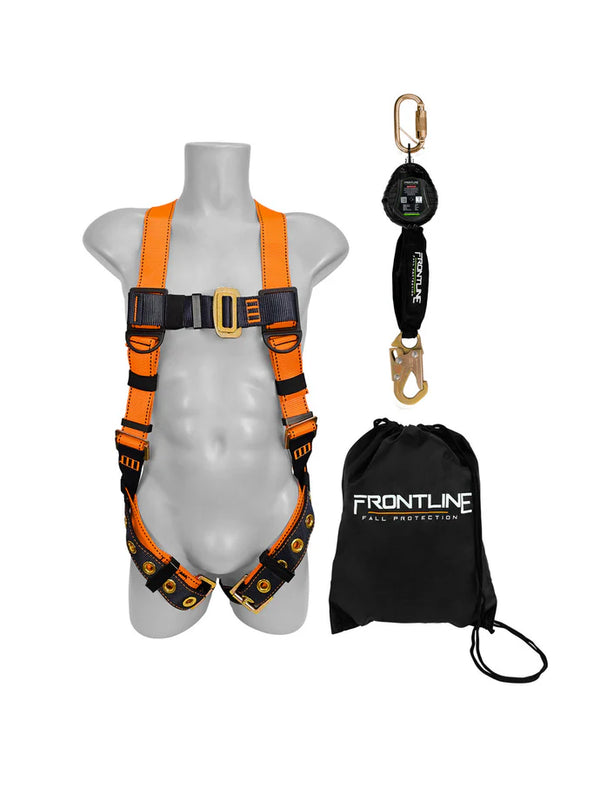
-
-
-
-
-
-
-
-
-
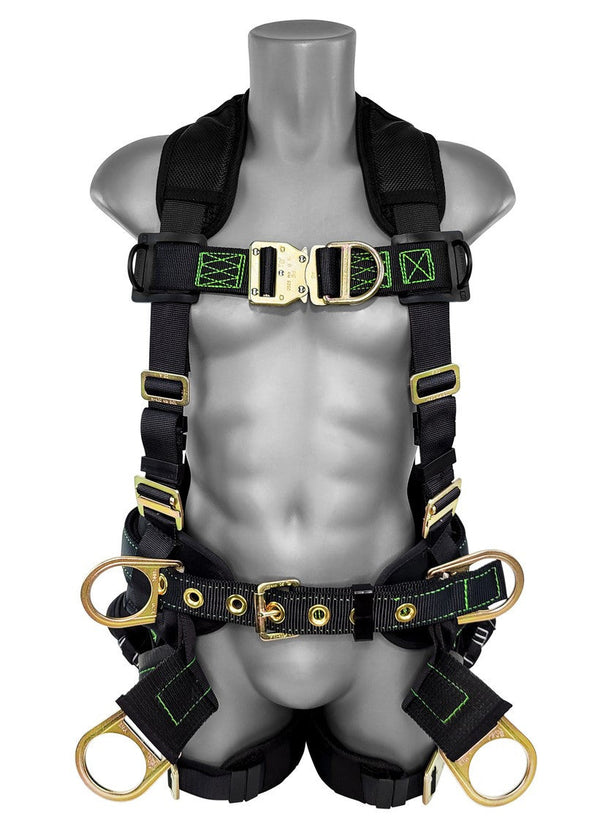
SALE 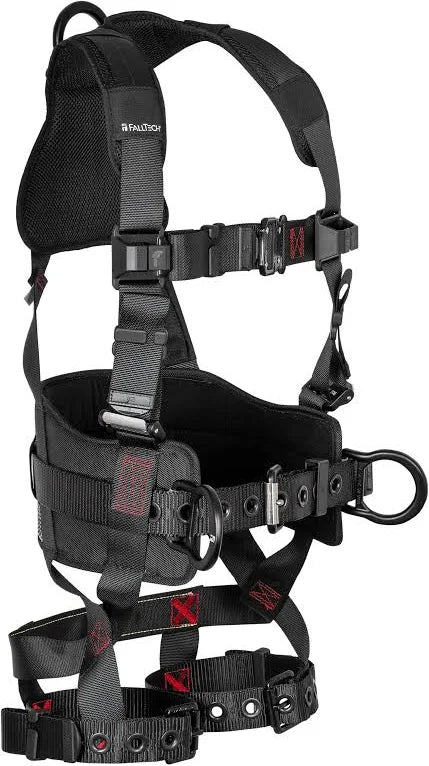 Fall Protection Canada
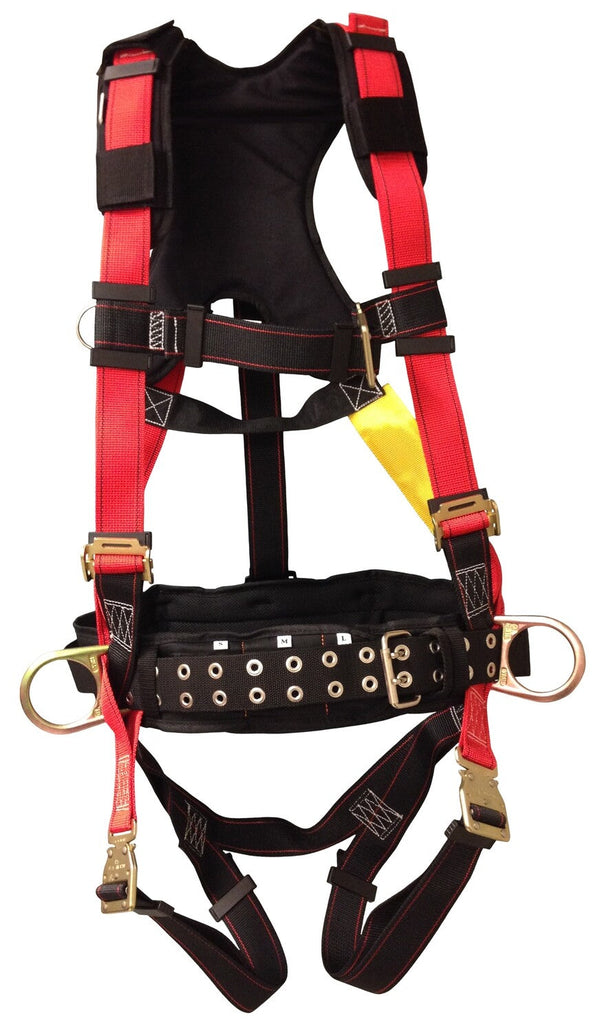
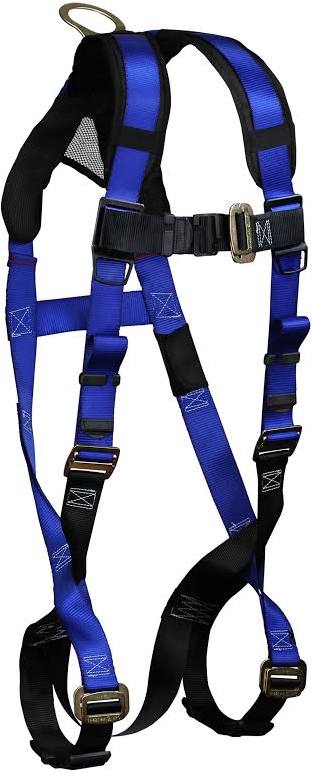
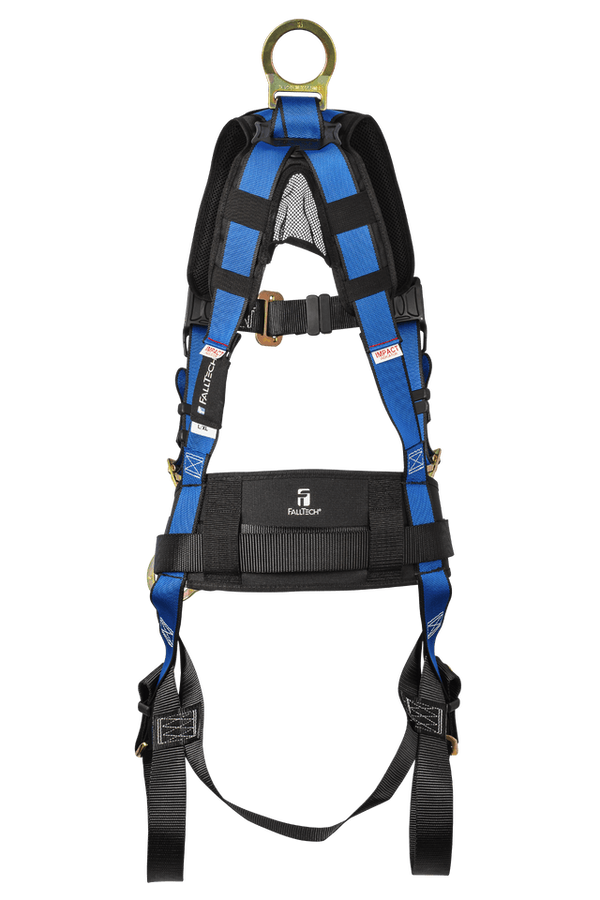
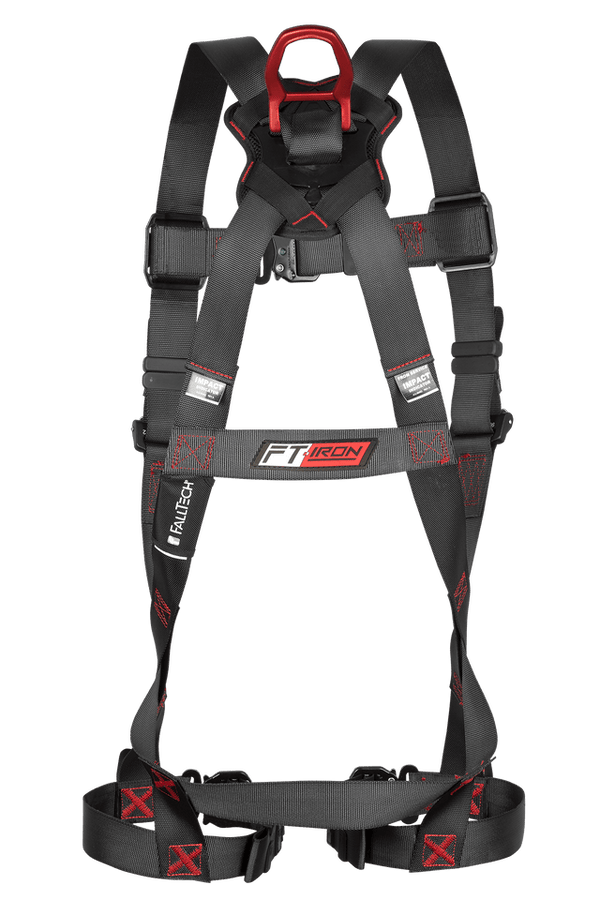
FallTech 8144 FT-Iron 3D Construction Belted Harness — CS...
$599.00$525.00Options -
-
-
-
-
-
-
-
-
-
-
-
-
-
-
-
-
-
-
-
SALE
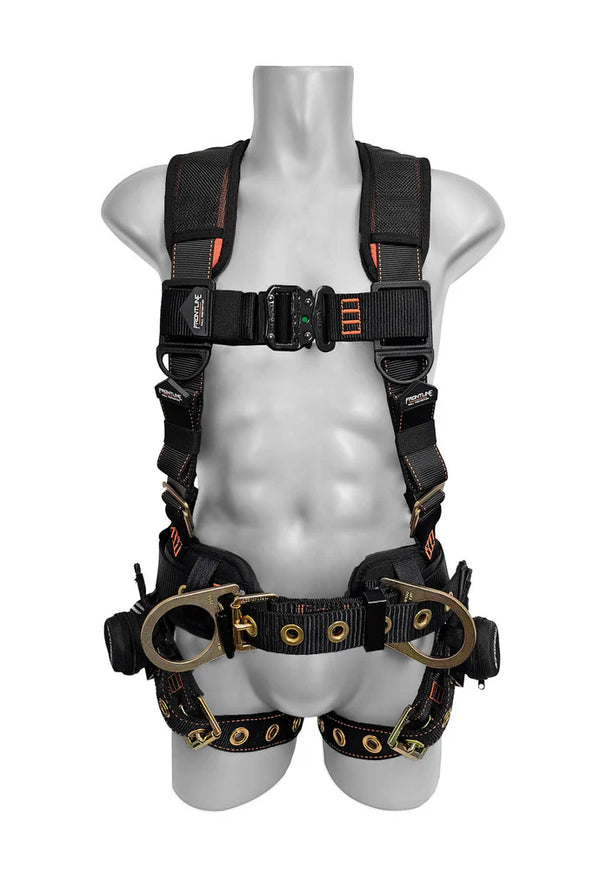
Fall Protection CanadaFallTech 8144 FT-Iron 3D Construction Belted Harness — CS...
$599.00$525.00Options
Shop harnesses by brand
THE BRANDS CANADIAN CREWS ASK FOR


What to look for in a harness
D-RING CONFIGURATION
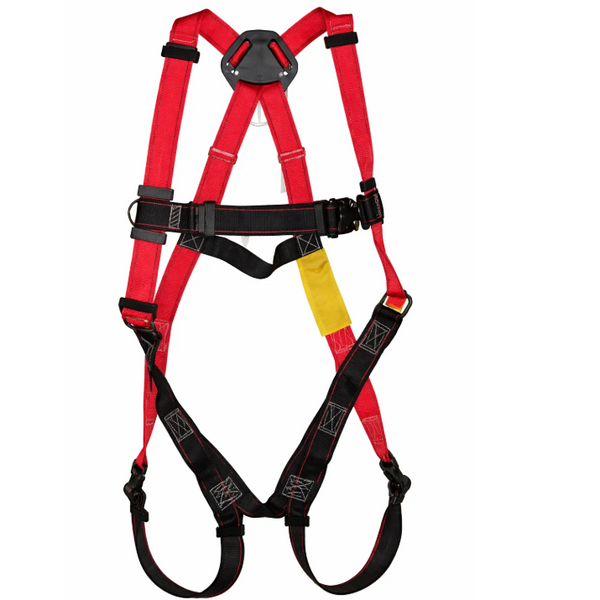
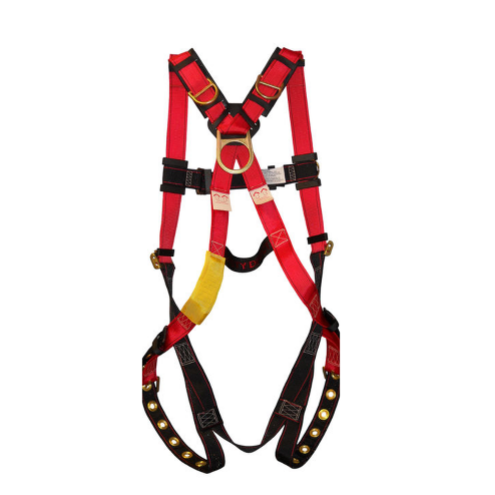
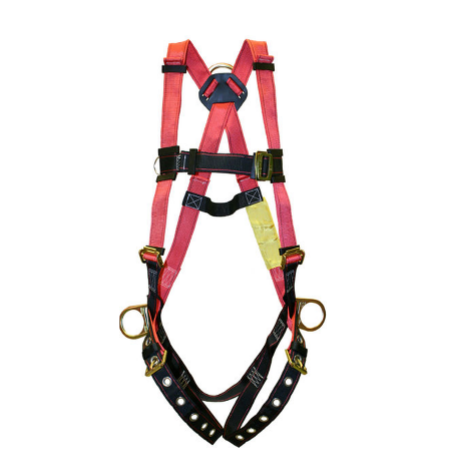
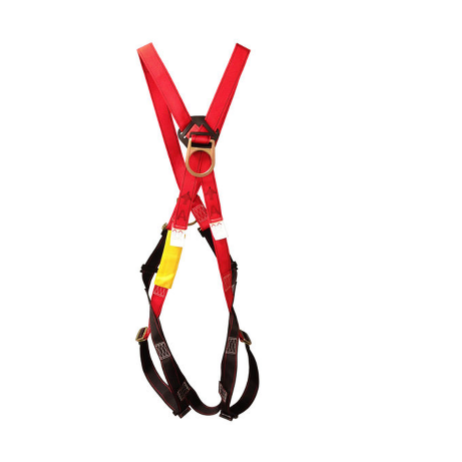
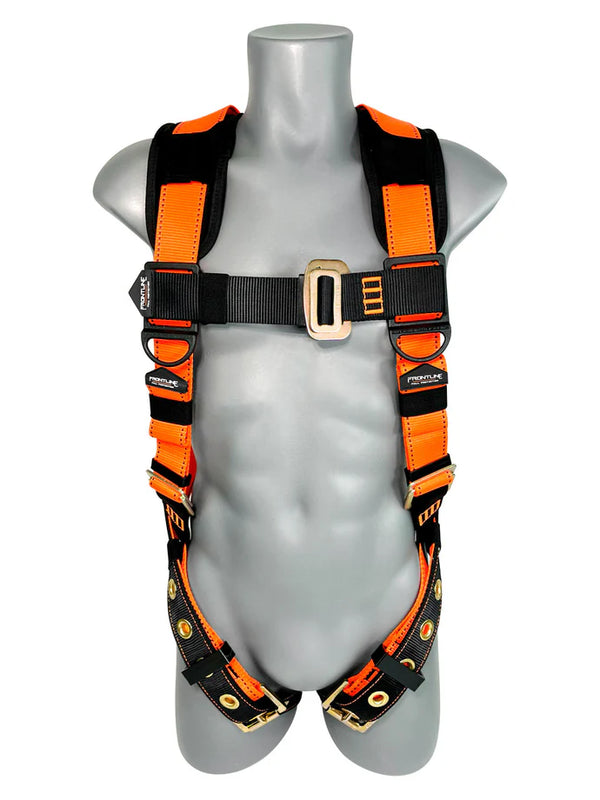
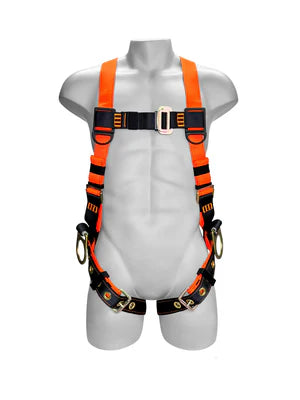
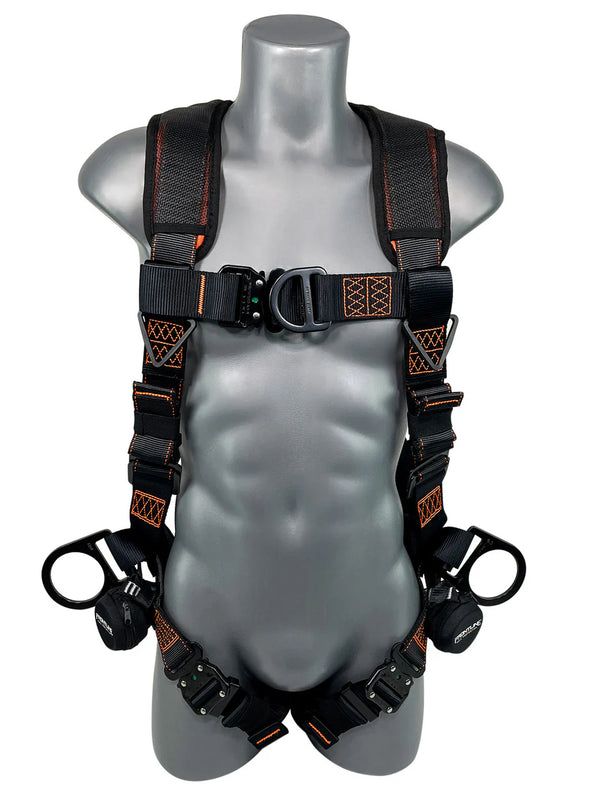
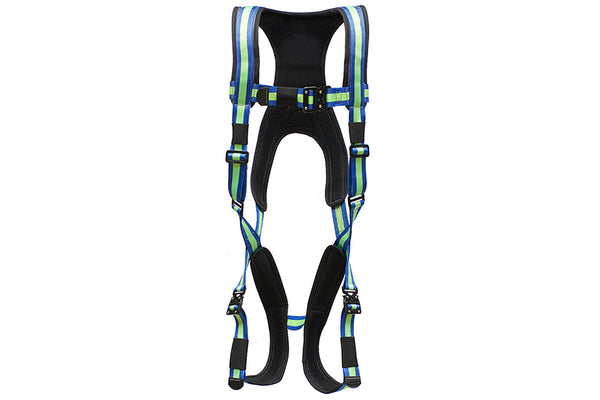
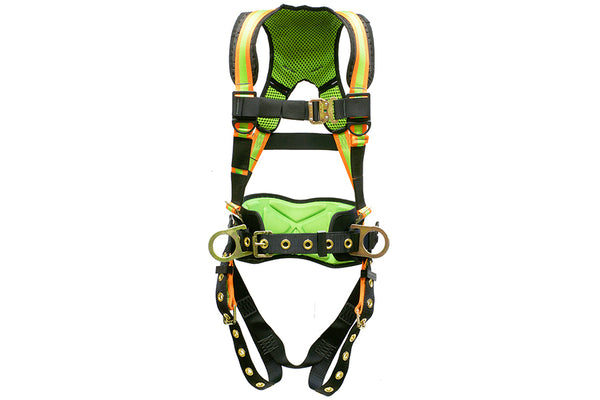
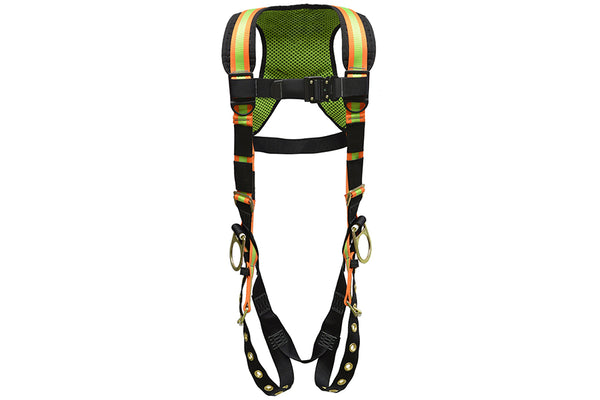
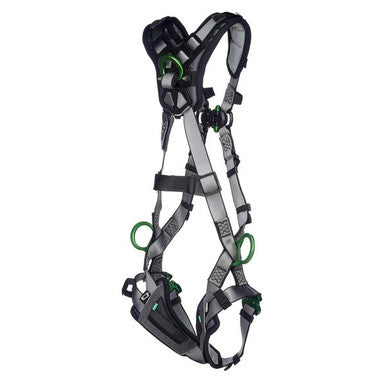
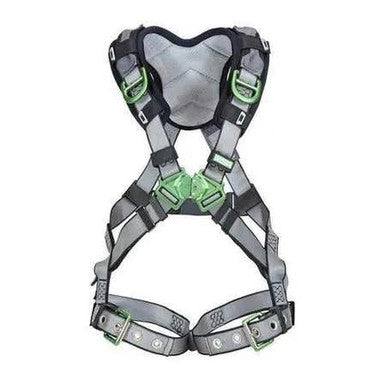
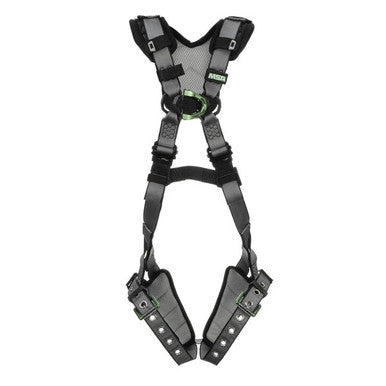
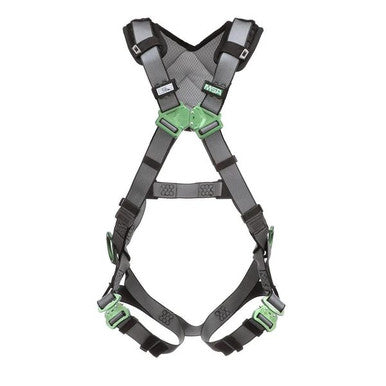
A back (dorsal) D-ring is standard for fall arrest. Add side D-rings for work positioning, a sternal (chest) D-ring for ladder climbing or SRL use, and shoulder D-rings for rescue and retrieval.
BUCKLES & STYLE
Tongue-and-buckle legs are simple and economical; quick-connect buckles are faster on and off. Parachute (cross-over) and vest styles suit different trades — each product page states the style and hardware.
SIZE, FIT & STANDARD
Fit is sized by height and weight; a snug dorsal D-ring between the shoulder blades matters. Each harness lists its actual certification — CSA Z259.10 or ANSI Z359.11. Call 437-475-2066 and we'll help you spec a crew.
CSA full-body harnesses for Canadian jobsites
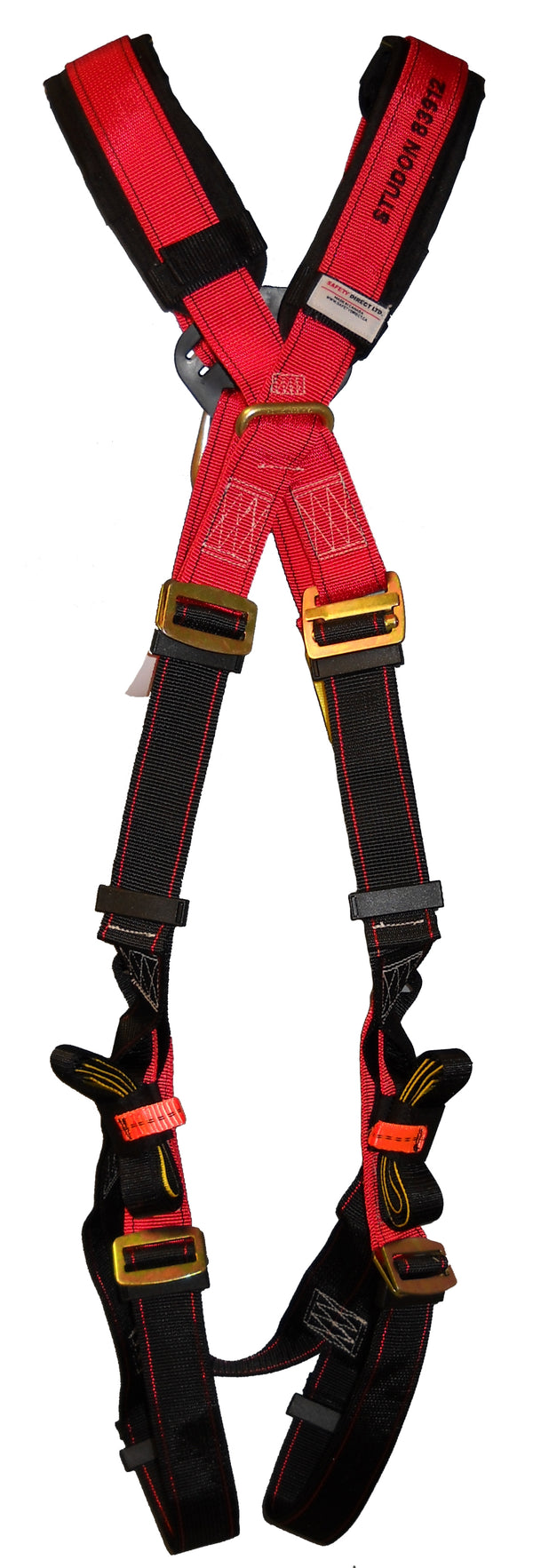
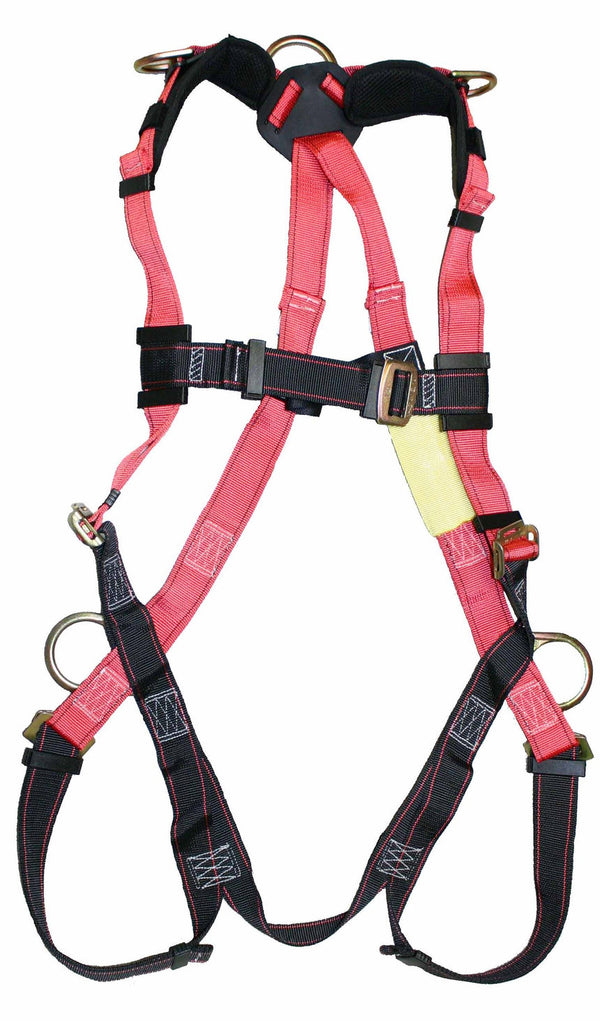
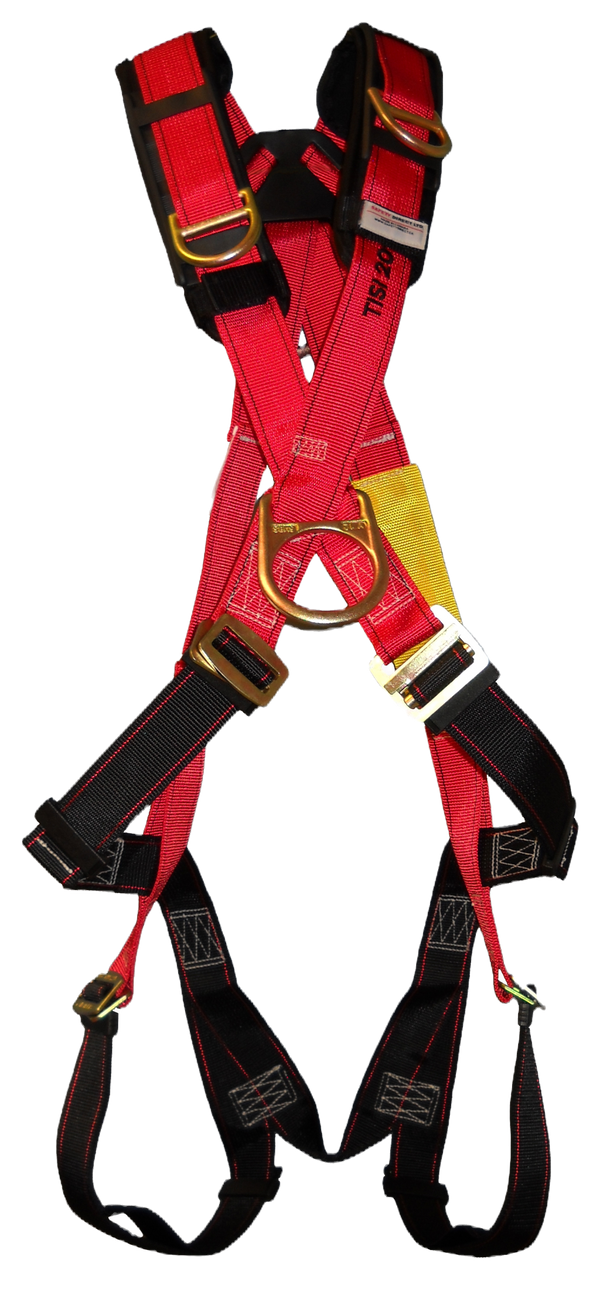
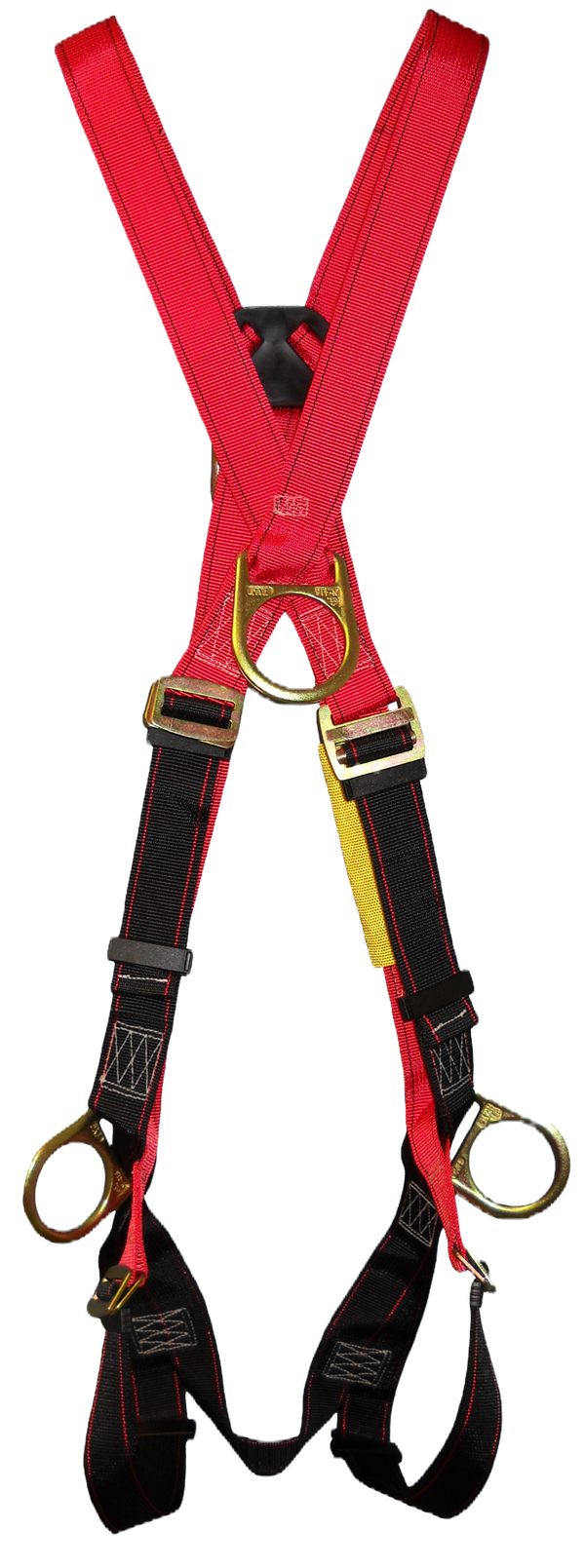
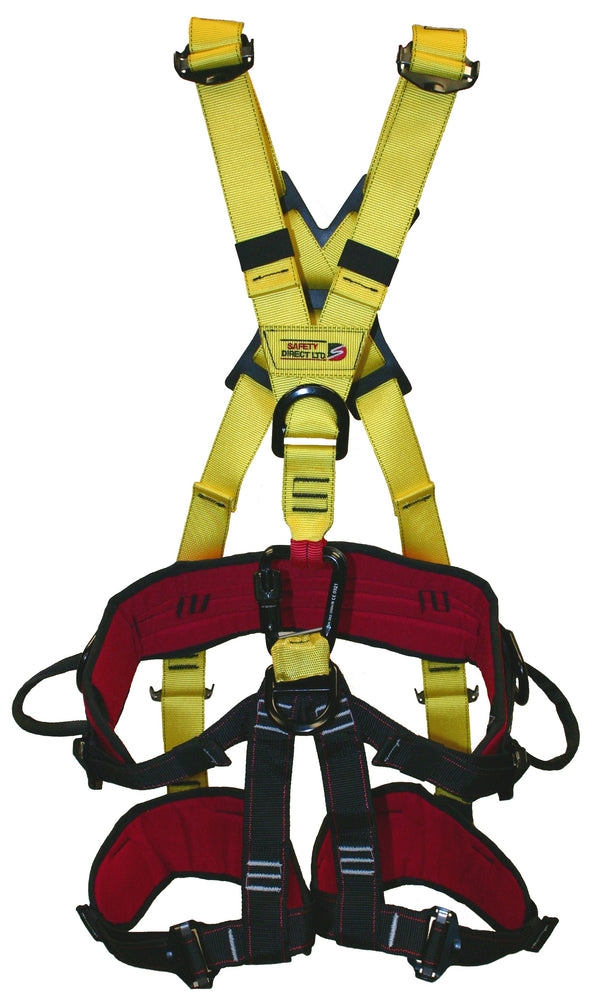
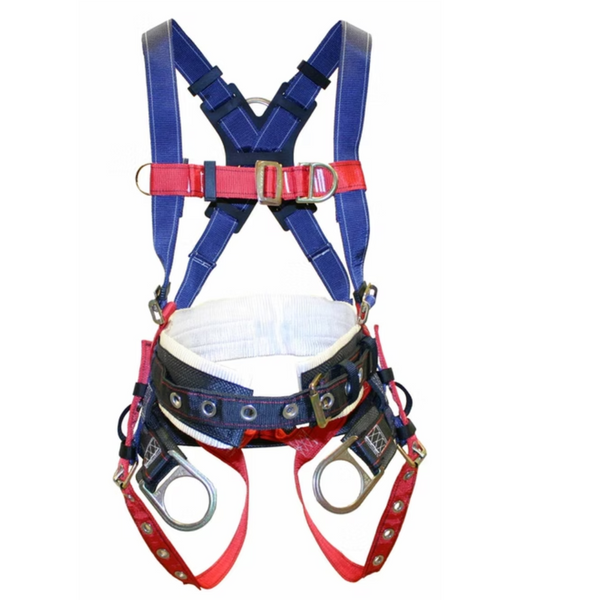
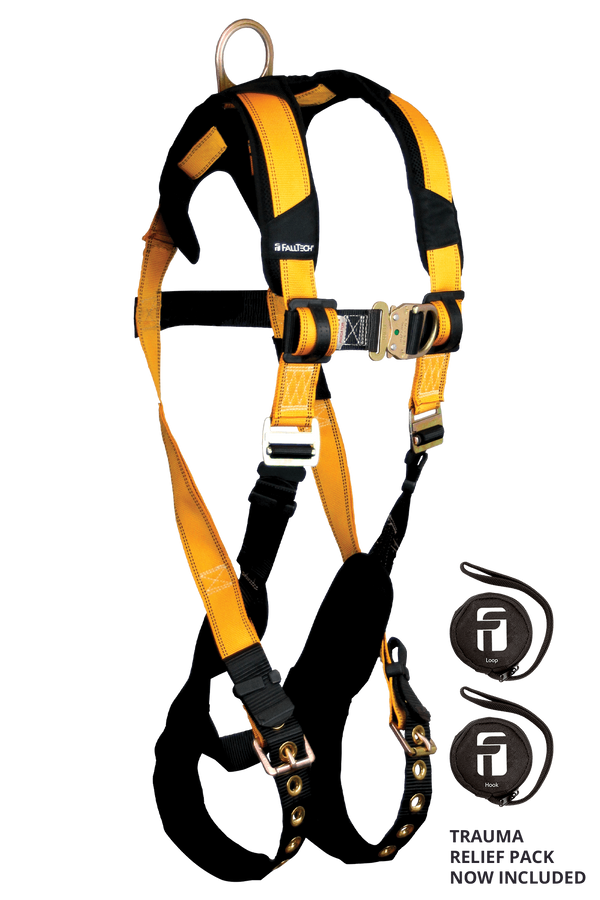
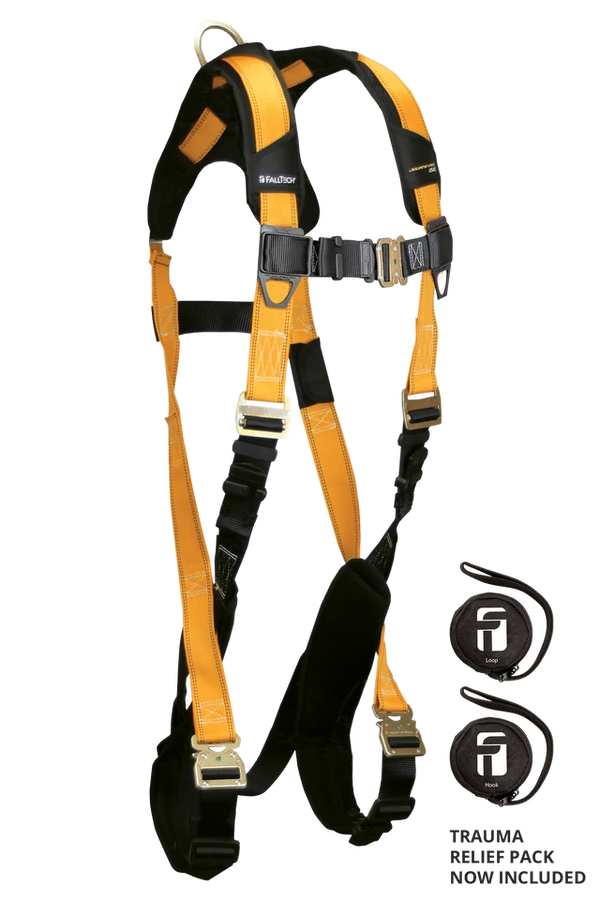
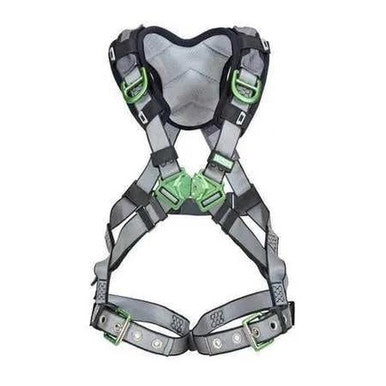
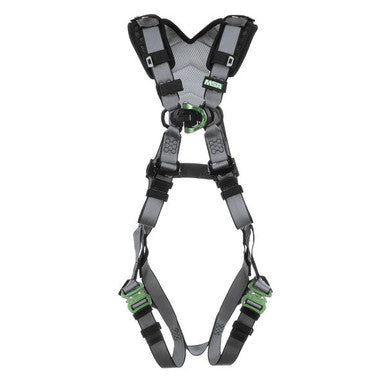
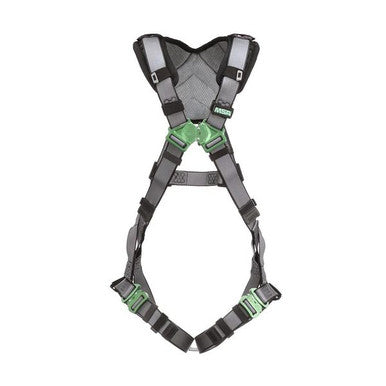
The full-body harness is the one piece of fall protection a worker actually wears — it spreads arrest forces across the body and keeps the worker upright after a fall. Fall Protection Canada stocks CSA Z259.10 harnesses from the brands Canadian crews ask for: Frontline Combat™ Lite parachute and vest styles, FallTech construction and aluminum-hardware harnesses, Super Anchor roofing harnesses, Safety Direct MH-series and MSA V-FORM, V-FORM+ and V-FIT harnesses — including arc-flash and welding-rated builds — all shipped from Paris, Ontario in CAD.
A harness is one part of a connected system. Pair it with an energy-absorbing lanyard or SRL and a tie-off point: browse the full PPE range, add a roof anchor, or grab a complete kit. Buying for a crew or unsure on sizing? Call 437-475-2066 for a 24-hour quote.
Harness compliance & inspection guides
CSA Z259 · ANSI Z359 · PROVINCIAL OHS
- INSPECTION
How to Inspect Your Fall Protection Equipment: A Canadian Field Guide
Pre-use and periodic inspection steps for harnesses, lanyards and SRLs, mapped to Canadian requirements.
- COMPLIANCE
CSA vs ANSI Fall Protection Standards in Canada: What's Actually Legal by Province
When ANSI-labelled harnesses are accepted and when CSA is mandatory — province by province.
- EQUIPMENT
Canadian Fall Protection Equipment Guide 2026
The complete buyer's guide to anchors, harnesses, lanyards, SRLs and kits for Canadian jobsites.
Harnesses ship to every province — compliance guidance for Ontario, Quebec, Alberta, BC, Manitoba, Saskatchewan, Nova Scotia and Newfoundland & Labrador.
Safety harnesses — common questions
ANSWERS YOU CAN CITE
01How do I choose the right harness size?
Harness sizing is based on the worker's height and weight, and each manufacturer publishes a size chart by model. A correctly fitted harness sits snug with the dorsal (back) D-ring centred between the shoulder blades and leg straps tight enough to pass a flat hand but no more. Each harness product page lists available sizes; if you're between sizes or buying for a crew, call 437-475-2066 and we'll help you spec it.
02What do the different D-rings on a harness do?
The back (dorsal) D-ring is the primary fall-arrest attachment and is on every full-body harness. Side D-rings are for work positioning (leaning back into the harness while keeping hands free). A sternal (chest) D-ring is used for ladder climbing and some SRL setups. Shoulder D-rings are for rescue and retrieval. Choose a harness with the D-rings your task requires — each product page lists its configuration.
03Tongue-and-buckle or quick-connect — which is better?
Both are compliant; it's about workflow. Tongue-and-buckle leg straps (like a belt) are simple, economical and hold their setting. Quick-connect buckles click on and off fast, which crews who don and doff often prefer. Pass-through and parachute styles also affect fit. The right pick is whatever the crew will actually wear correctly every time.
04Do safety harnesses expire?
There's no single legislated expiry date, but manufacturers set a service life (commonly up to 10 years from first use) and a harness must be removed from service immediately after arresting a fall or if it fails inspection. Synthetic webbing degrades with UV, chemicals and abrasion, so inspect before every use and follow the manufacturer's instructions and your provincial requirements — our field inspection guide walks through what to check.