CSA-Compliant Fall Protection • Stocked in Canada

Safety Lanyards Canada | 310 & 420 Energy-Absorbing Fall Arrest Lanyards

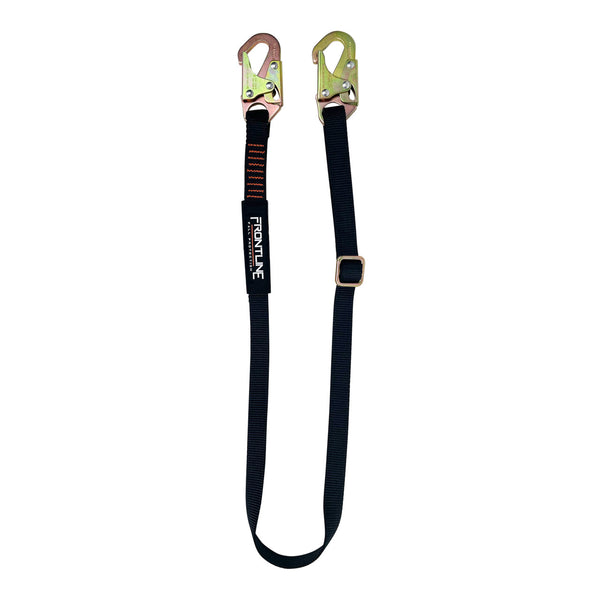
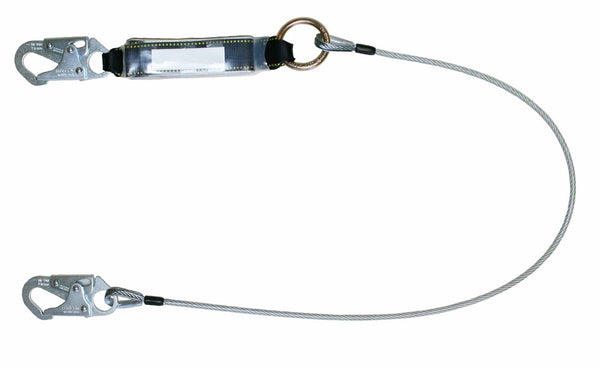
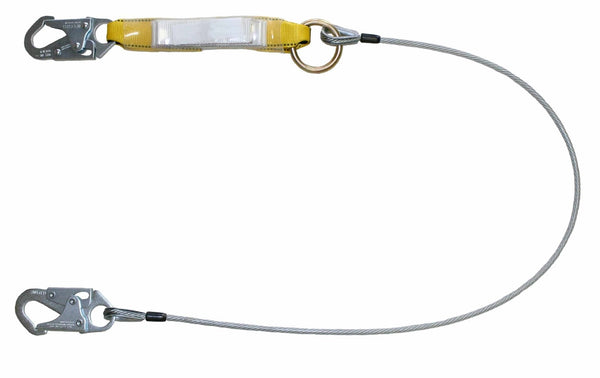
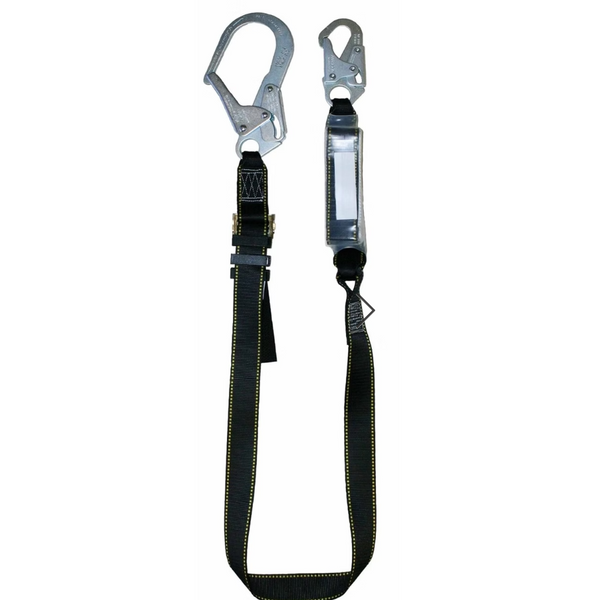
Shock-absorbing and restraint lanyards engineered for Canadian roofing, construction, and industrial crews — choose 310 or 420 energy-absorbing models, single or double-leg configurations, and proper fall clearance for CSA-compliant fall protection.

A safety lanyard is the critical connection between your worker and their anchor point. Whether you're protecting roofers on steep pitches, steel workers on leading edges, or technicians on towers, the right energy-absorbing lanyard reduces fall forces while maintaining mobility and 100% tie-off during movement at height.

  • CSA Z259 Certified
  • 310 lbs Force
  • 420 lbs Force
  • Shock Absorbing
  • Single & Double Leg
  • Restraint Models
  • Fall Arrest
Need help with fall clearance or selection? Call or Text 437-475-2066 or email support@fallprotectioncanada.com

Fall Protection Lanyards & Energy-Absorbing Connectors (Canada)

Professional Fall Protection Equipment

Safety Lanyards in Canada

Energy-absorbing and restraint lanyards built for Canadian jobsites. From 310 and 420 shock-absorbing models to restraint systems, find the lanyard that keeps your crew safe and compliant.

🇨🇦

Canadian Warehouse
No duties or border delays

📞

Expert Support
Safety specialists on call

Compliance Ready
CSA standards where applicable

🚚

Fast Shipping
Coast to coast coverage

How to Choose the Right Lanyard

Not all lanyards are created equal. Your choice depends on fall clearance, work positioning needs, and the type of anchor system you're using. Here's how to narrow it down:

310 Energy-Absorbing Lanyards

Designed for general fall arrest with maximum arresting force of 310 lbs (1.4 kN). Ideal for lightweight workers or situations where reduced impact forces are critical. Perfect for residential roofing and light commercial work when paired with a full body harness.

420 Energy-Absorbing Lanyards

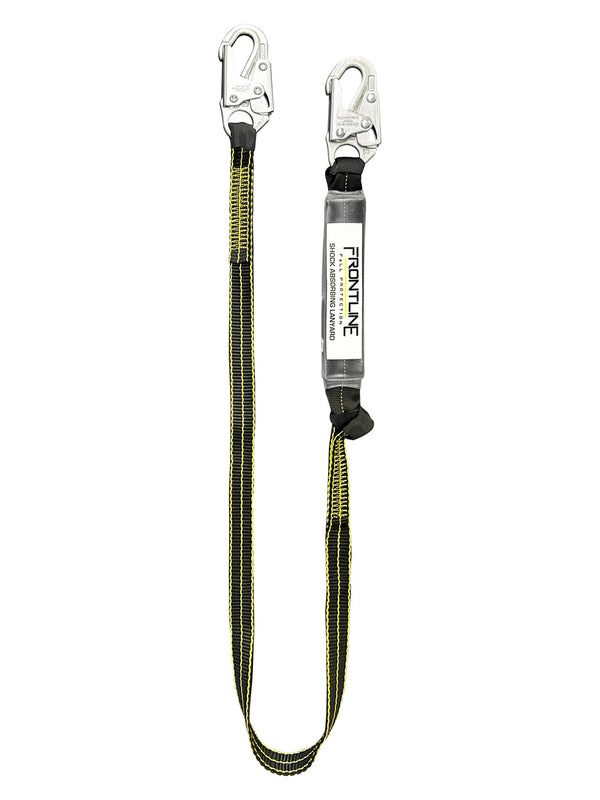
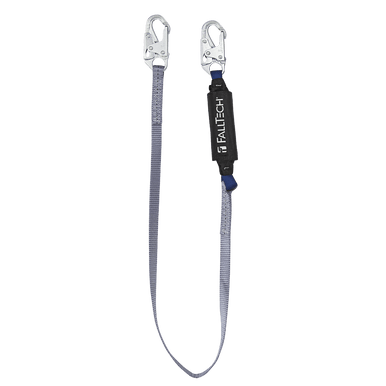
The workhorse of fall protection, rated for maximum arresting force of 420 lbs (1.8 kN). Suitable for workers up to 310 lbs with gear. Versatile enough for construction, steel erection, and most industrial applications. Available in single and double-leg configurations.

Restraint Lanyards

Non-shock-absorbing lanyards designed to prevent workers from reaching fall hazards. Shorter length restricts movement to safe zones. Commonly used on flat roofs, around skylights, and near roof edges where fall arrest isn't the primary concern.

Positioning & Work Lanyards

Allow hands-free work at height by supporting workers in position. Used with work-positioning harnesses for pole climbing, tower work, and utility maintenance. Combine with fall arrest systems using proper anchor points.

Why Canadian Contractors Trust Us

Real Jobsite Experience

We've been on the roof, in the trench, and up the tower. Our team understands the conditions you face and the equipment that holds up in Canadian weather.

No-Nonsense Compliance

We stock lanyards that meet or exceed Canadian regulatory requirements. From provincial OHS standards to federal labour codes, we help you stay legal and safe.

Support When You Need It

Questions about fall clearance calculations, compatibility, or inspection schedules? Our safety specialists are here to help—by phone, email, or chat.

Common Lanyard Questions

What's the difference between 310 and 420 lanyards?

The numbers refer to maximum arresting force in pounds. 310 lanyards limit impact to 310 lbs (1.4 kN), while 420 lanyards allow up to 420 lbs (1.8 kN). 310 models are lighter and reduce forces on smaller workers, but 420 lanyards accommodate heavier workers with tools and gear. Choose based on worker weight, equipment load, and jobsite requirements.

How do I calculate fall clearance?

Fall clearance is the minimum distance required below a worker to prevent ground contact during a fall. Calculate by adding: lanyard length + shock absorber deployment (typically 3.5 feet) + worker height + safety factor (3 feet minimum). Always account for harness stretch and D-ring slip. Consult manufacturer specifications and a competent person for accurate calculations.

Can I use a restraint lanyard for fall arrest?

No. Restraint lanyards are not designed to absorb fall forces and lack shock-absorbing components. Using a restraint lanyard for fall arrest can result in severe injury or death. Always use energy-absorbing lanyards rated for fall arrest when there's potential for a fall to occur.

How often should I inspect my lanyard?

Inspect before each use for cuts, burns, fraying, broken stitching, or damage to hardware and shock absorbers. Conduct detailed annual inspections by a competent person. Replace any lanyard that has arrested a fall, shows signs of wear, or has been exposed to chemicals, UV damage, or extreme conditions.

Complete Fall Protection Lanyard Solutions for Canadian Worksites

A safety lanyard is the critical link between your worker and their anchor point. Whether you're securing a roofer in Calgary, a steel worker in Toronto, or a utility technician in Vancouver, choosing the right fall protection lanyard ensures your crew can work at height with confidence. At Fall Protection Canada, we supply energy-absorbing and restraint lanyards engineered to meet the demands of Canadian jobsites, from sub-zero winter conditions to the heat and humidity of summer construction.

Understanding Energy-Absorbing vs. Restraint Lanyards

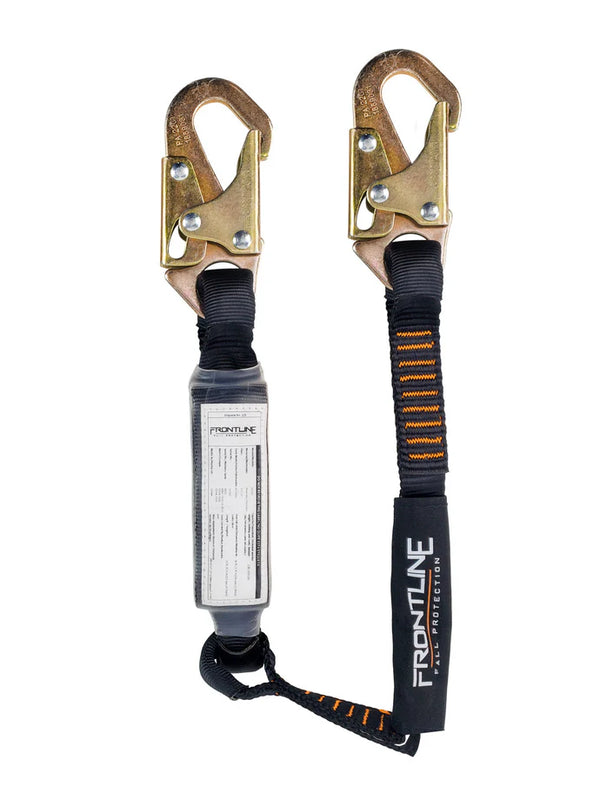
The first step in selecting the right fall arrest lanyard is understanding the fundamental difference between energy-absorbing and restraint models. Energy-absorbing lanyards, also called shock-absorbing lanyards, feature a built-in mechanism—typically a tear-away webbing pack or deceleration device—that deploys during a fall to reduce the impact forces on the worker's body. These are required for fall arrest applications where a fall is possible.

Restraint lanyards, on the other hand, are shorter, non-shock-absorbing lines designed to keep workers away from fall hazards entirely. They restrict movement to safe zones, preventing falls before they occur. While restraint lanyards are excellent for controlled work areas like flat roofs with proper perimeter protection, they must never be used as fall arrest devices.

310 vs. 420 Energy-Absorbing Lanyards: Which Do You Need?

Canadian fall protection standards recognize two main categories of energy-absorbing lanyards based on maximum arresting force: 310 lbs (1.4 kN) and 420 lbs (1.8 kN). The 310 lanyard is designed for lighter workers and reduces the forces transmitted through the harness to the body during a fall. This makes it ideal for workers under 200 lbs or in situations where minimizing impact forces is critical, such as for workers with pre-existing injuries or those working on structures with limited anchor strength.

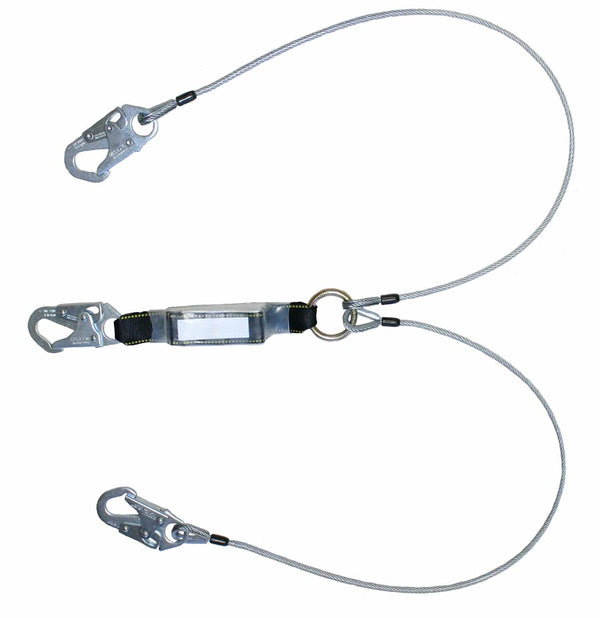
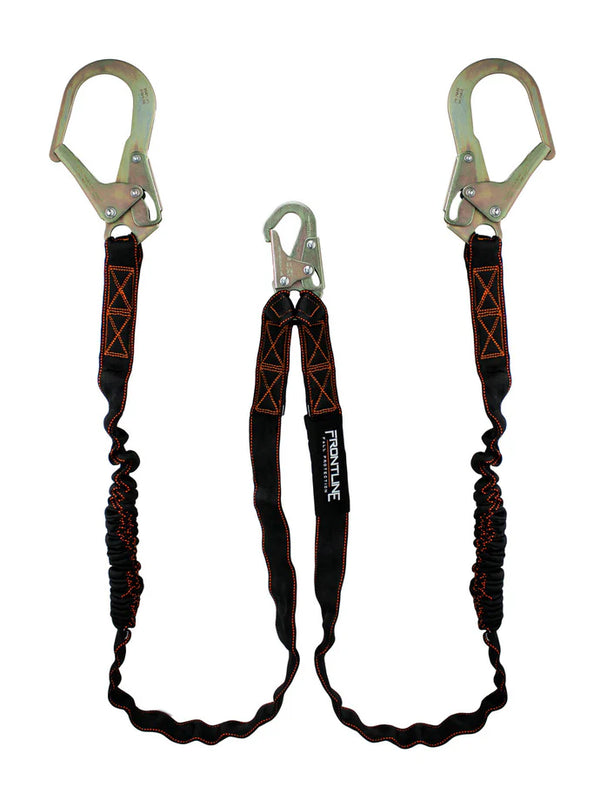
The 420 lanyard is the industry standard for most construction and industrial applications. Rated for workers up to 310 lbs when wearing tools and gear, these lanyards provide robust fall protection for the majority of Canadian workers. They're available in single-leg configurations for simple tie-off points or double-leg Y-configurations that allow 100% tie-off when moving between anchor points. When selecting between 310 and 420 models, consider total worker weight including clothing, tools, and equipment—not just body weight.

Single-Leg vs. Double-Leg Lanyards

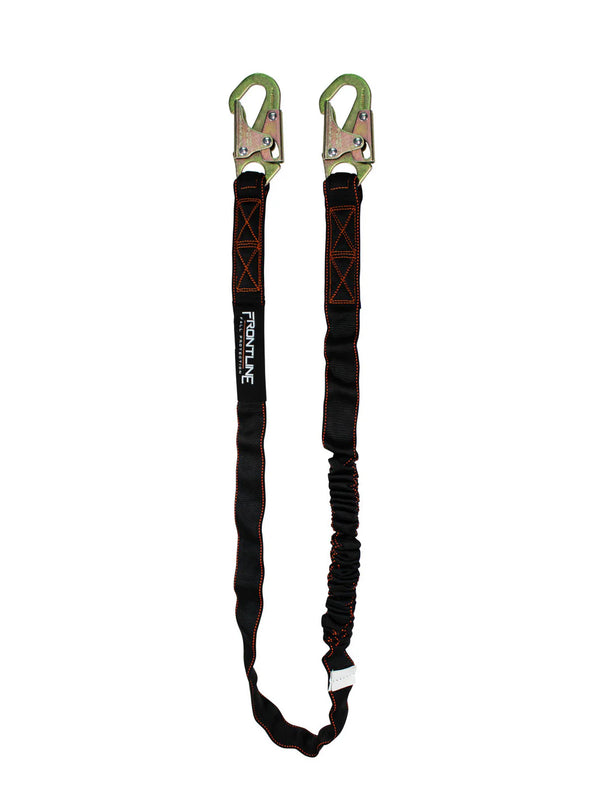
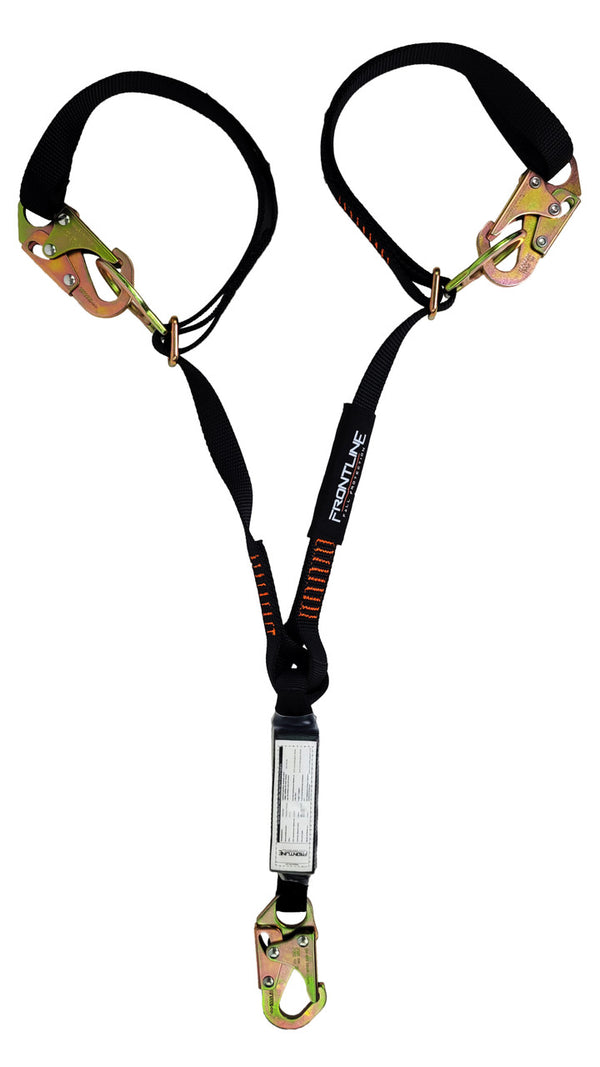
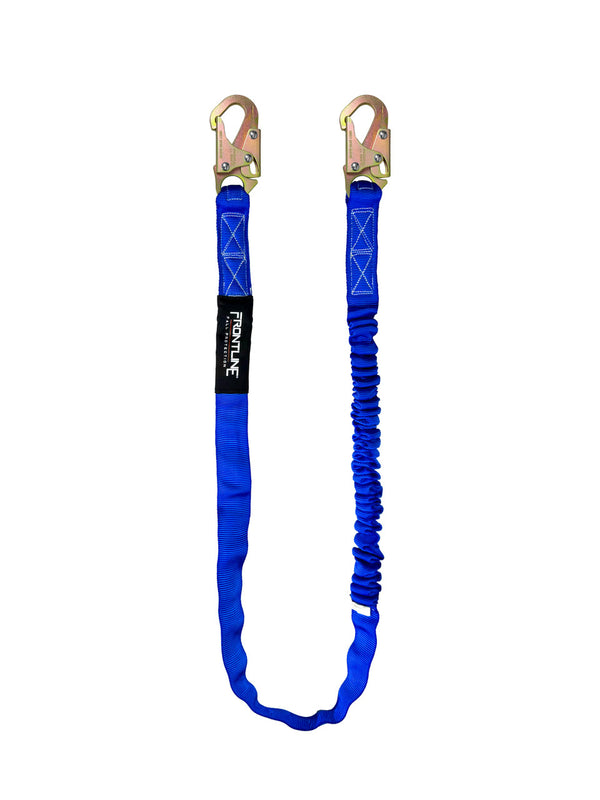
Single-leg lanyards connect your harness to a single anchor point and are the simplest, most cost-effective option for stationary work. They're perfect for roofing, ladder work, or any application where the worker remains in one general area. However, if your crew needs to move between anchor points—such as when traversing a horizontal lifeline or relocating on a roof—a double-leg (Y-lanyard) configuration is essential for continuous protection.

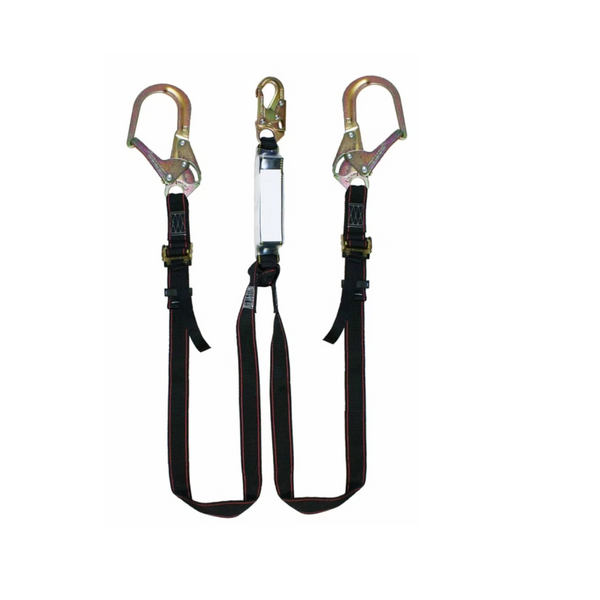
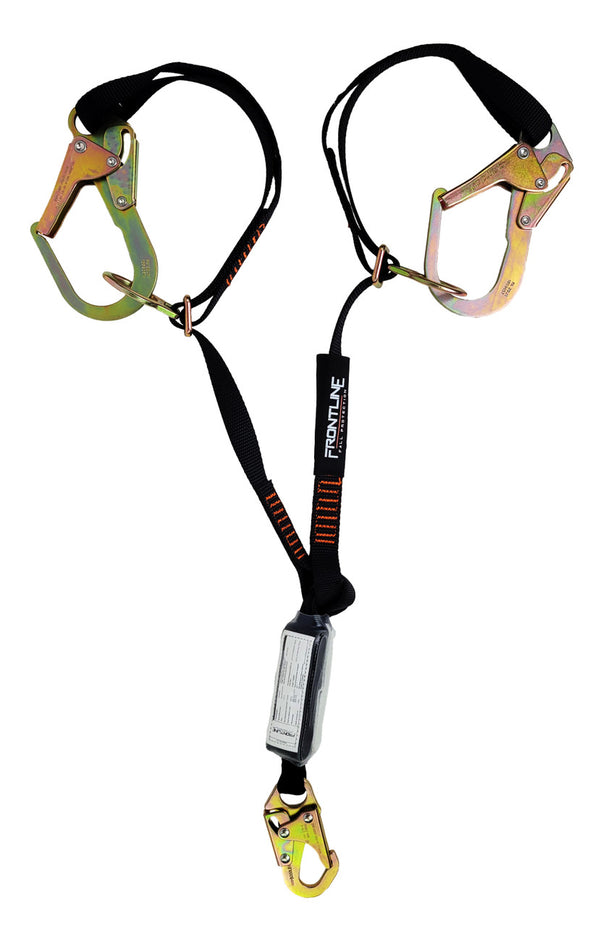
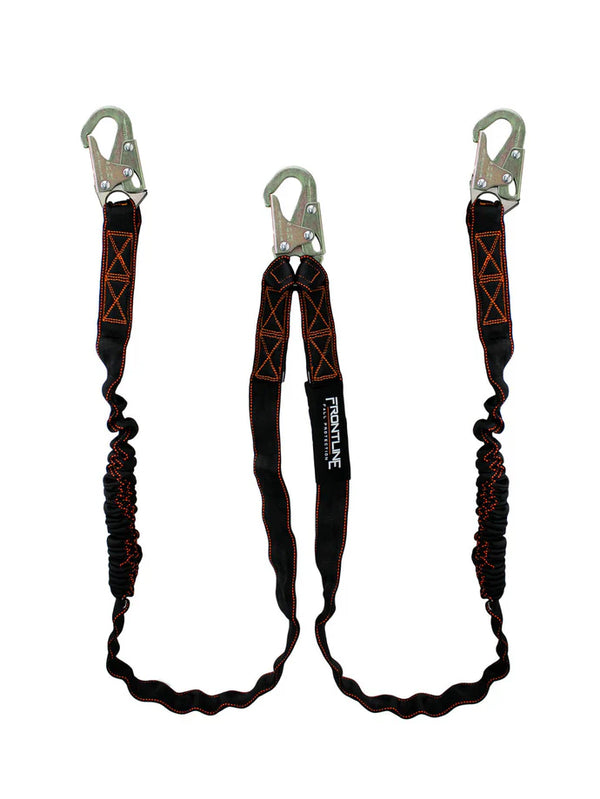
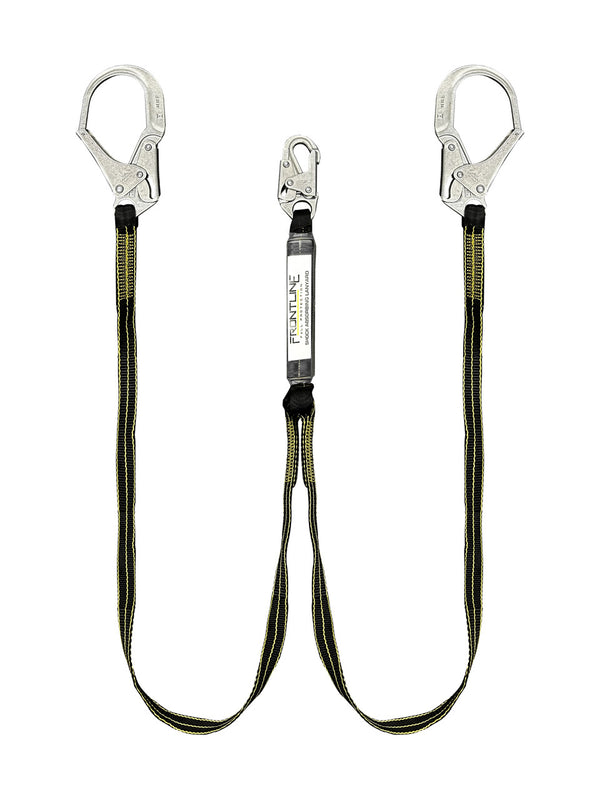
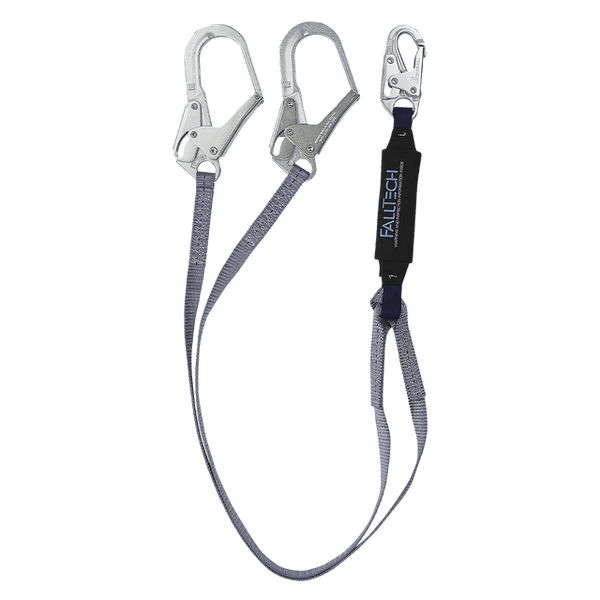
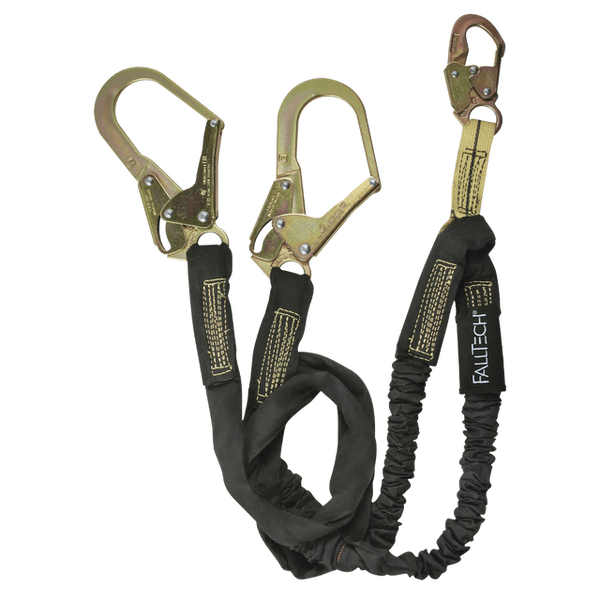
Double-leg lanyards feature two shock-absorbing legs connected to a single attachment point at the harness. This allows workers to stay connected to one anchor while hooking onto the next, maintaining 100% tie-off at all times. This is not just a best practice—it's required under most Canadian provincial regulations for any work involving movement at height. Pair your lanyard system with quality anchorage solutions and a properly fitted full body harness.

Fall Clearance: The Most Important Calculation You'll Make

Even the best shock-absorbing lanyard won't protect your workers if there isn't sufficient clearance below them. Fall clearance is the minimum vertical distance required to ensure a falling worker doesn't strike the ground or a lower level before the fall arrest system fully deploys. The calculation includes lanyard length, shock absorber deployment distance (typically 3.5 feet for most models), the worker's height, harness stretch and D-ring slip (approximately 1 foot), and a safety margin (minimum 3 feet).

For example, a 6-foot lanyard used by a 6-foot-tall worker would require approximately 6 + 3.5 + 6 + 1 + 3 = 19.5 feet of clearance. Insufficient clearance is one of the most common—and dangerous—mistakes in fall protection. Always consult manufacturer specifications, perform clearance calculations before starting work, and involve a competent person in your planning. For reduced clearance situations, consider self-retracting lifelines which dramatically reduce fall distances.

Lanyard Materials and Connectors

Most modern fall protection lanyards use synthetic webbing or rope constructed from polyester or nylon. Webbing is popular for its durability, resistance to abrasion, and ease of inspection—damage is visible at a glance. Rope lanyards offer more flexibility and are often preferred for positioning work or situations requiring more dynamic movement. Both materials perform well in Canadian climates, though UV exposure, moisture, and extreme cold can degrade them over time.

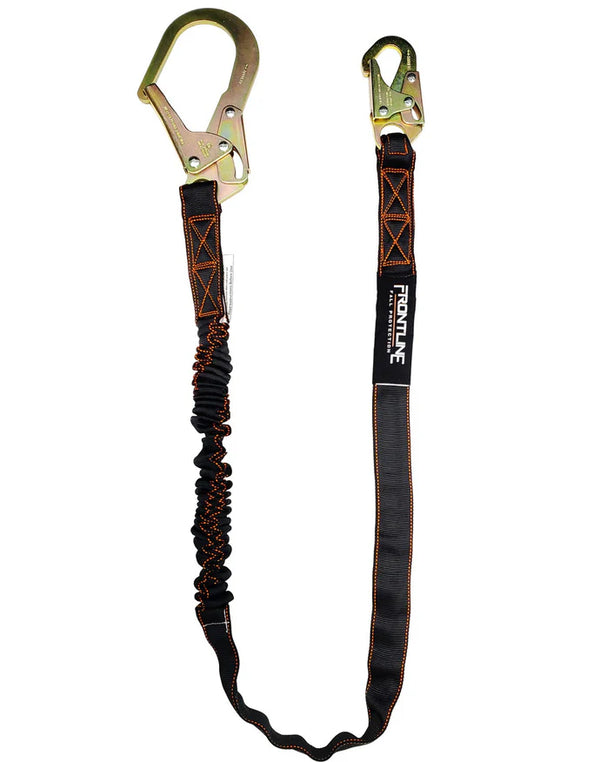
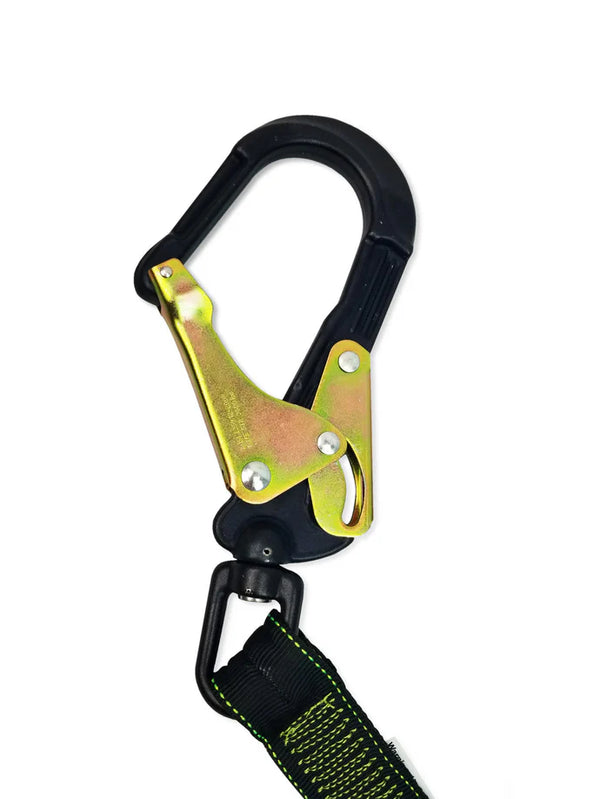
Connectors—the hardware at each end of the lanyard—are equally important. Snap hooks are the most common and come in various gate styles: standard, auto-locking, and twist-locking. CSA standards require self-closing, self-locking snap hooks for fall arrest to prevent accidental disengagement. Larger scaffold hooks are used when connecting to beam anchors, D-rings, or other large structures. Always match your connector type to your anchor configuration and ensure all components are rated for fall arrest, not just climbing or rigging.

Inspection, Maintenance, and Replacement

A damaged energy-absorbing lanyard can fail when you need it most. Pre-use inspections are mandatory before every shift: examine webbing or rope for cuts, burns, abrasion, chemical damage, and broken stitches. Check shock absorber packs for tears, deployment, or moisture intrusion. Inspect all hardware for cracks, deformation, corrosion, sharp edges, and proper gate function. If the shock absorber has deployed—even partially—the lanyard must be immediately removed from service and destroyed.

Annual detailed inspections by a competent person are required under most Canadian provincial regulations. Document all inspections in writing, including serial numbers, dates, findings, and corrective actions. Retire any lanyard that shows signs of damage, has been subjected to fall forces, or exceeds the manufacturer's recommended service life (typically 5-10 years from date of manufacture, depending on use and conditions). The cost of a replacement lanyard is negligible compared to the cost of a preventable injury or fatality.

Building a Complete Fall Protection System

A lanyard is just one component of an effective fall protection program. You'll also need a properly fitted and maintained full body harness, reliable anchorage, and in many cases, horizontal or vertical lifeline systems for mobile work. Training is equally critical—workers must understand how to properly connect their lanyard, recognize hazards, calculate fall clearance, and execute rescue procedures if a fall occurs. Consult a competent person or qualified safety professional to design and implement a system tailored to your specific work environment, hazards, and regulatory requirements.

Why Buy From a Canadian Supplier?

Sourcing your fall protection lanyards in Canada means faster shipping, no customs delays, and support from people who understand Canadian regulations and weather conditions. When equipment arrives from overseas, you may face duty fees, lengthy border processing, and compatibility questions with North American standards. At Fall Protection Canada, every lanyard in our catalog is stocked in Canada, ready to ship to your jobsite or warehouse the same day. We're here to answer your questions, process warranty claims, help with fall clearance calculations, and ensure your crew stays compliant—from St. John's to Victoria.

Important: Fall protection equipment must be selected, used, and maintained by a competent person in accordance with manufacturer instructions, applicable standards (including CSA Z259 series), and provincial or territorial occupational health and safety regulations. This webpage provides general information only and does not replace professional training, hazard assessment, or engineering judgment. Fall Protection Canada is not liable for misuse or improper application of equipment. When in doubt, consult a qualified safety professional.