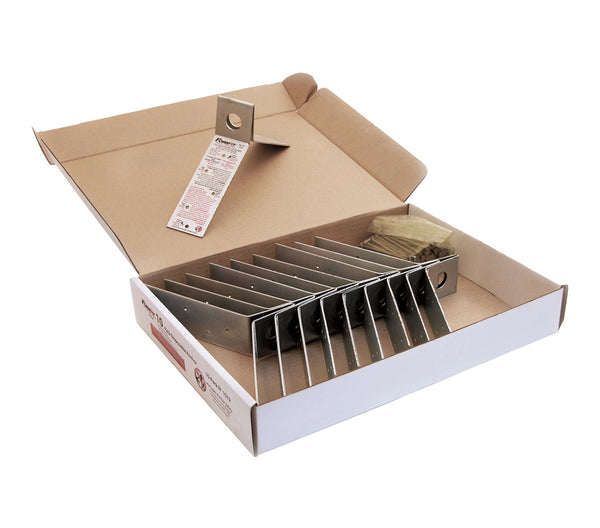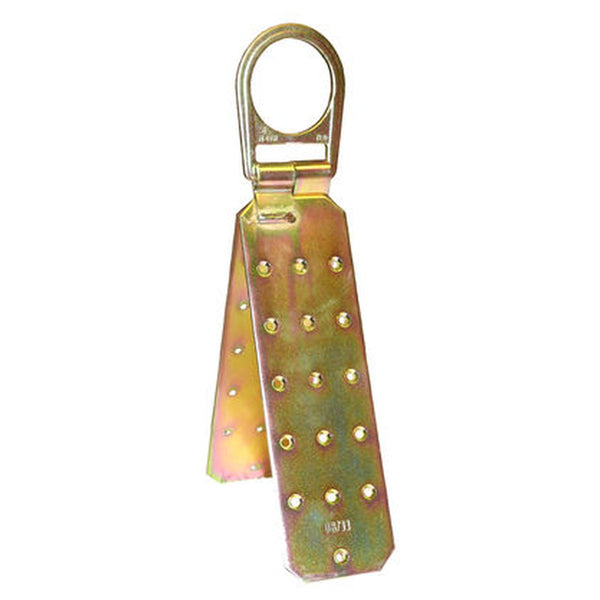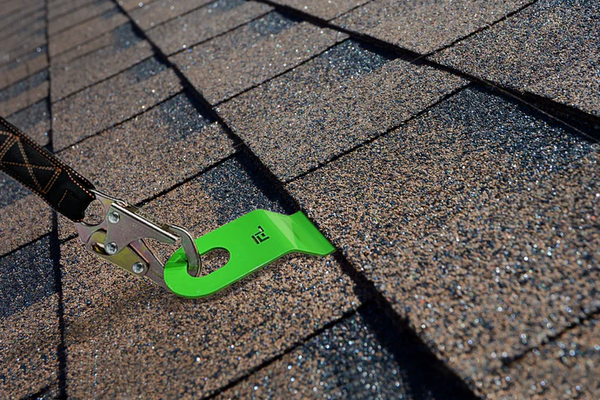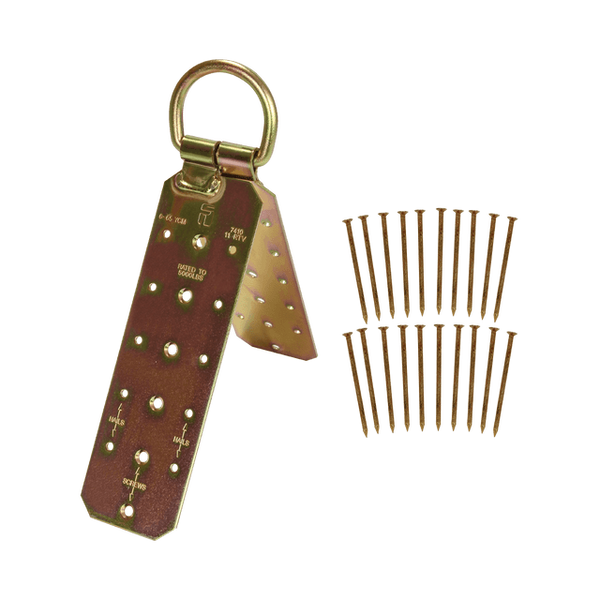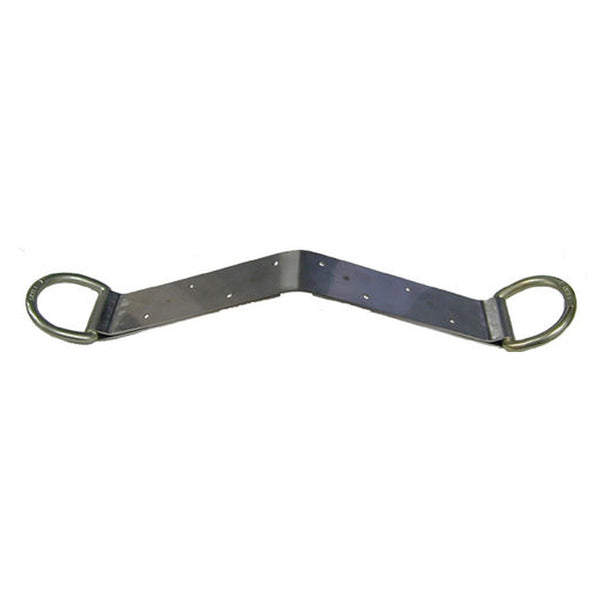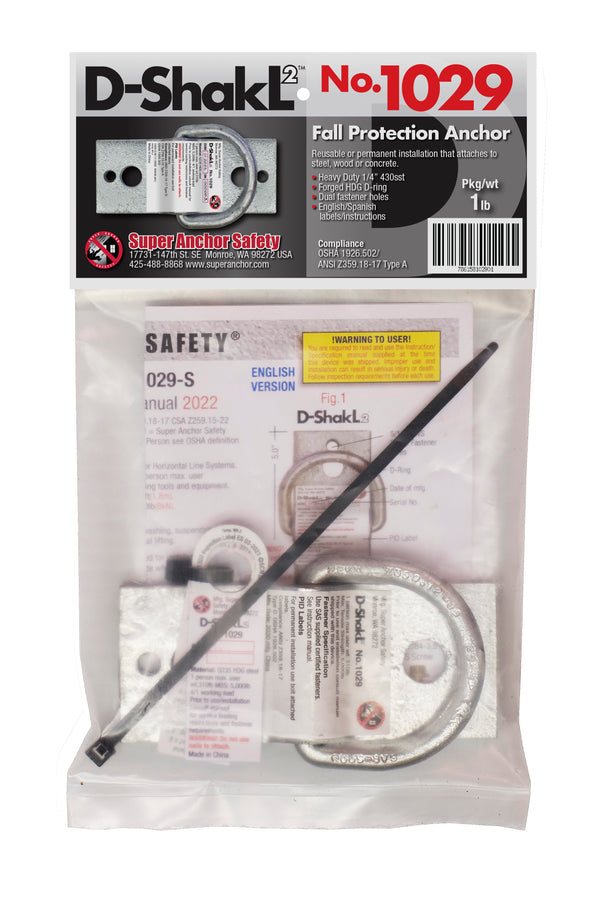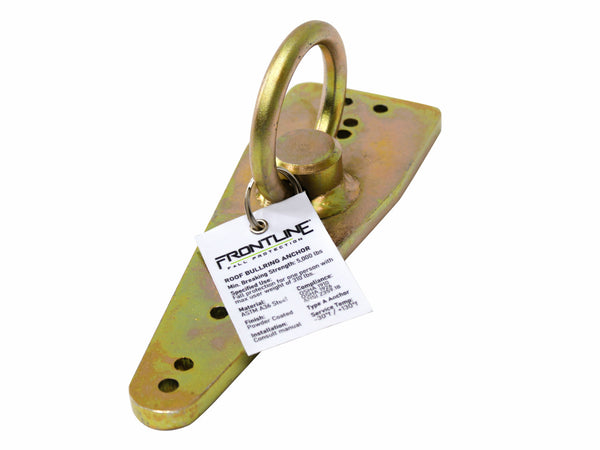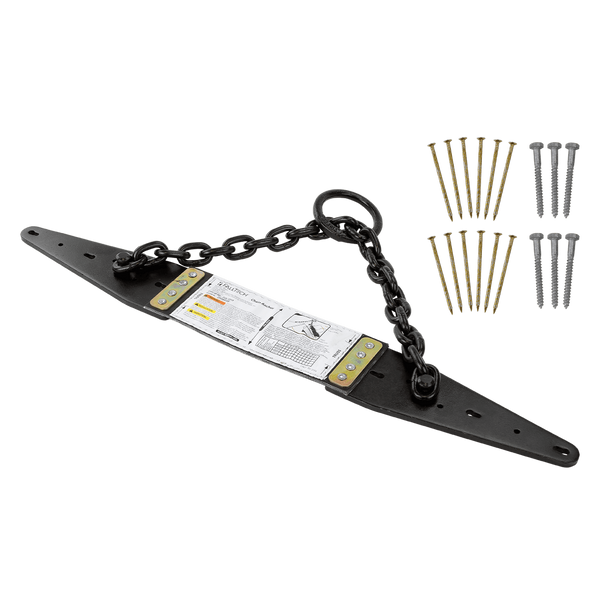
Shingle Fall Protection Canada

Skip to results list
Availability
Price
to
The highest price is $839.00
Clear
5 items
Column grid
Column grid

Filter

Availability
Price
to
The highest price is $839.00
Shingle Roof Anchors Canada | Fall Protection Canada

Professional Roofing Fall Protection

Shingle Roof Anchors in Canada

Secure, reliable roof anchors engineered for asphalt shingle applications. From tear-offs to new construction, keep your roofing crew safe with anchors that install fast and hold strong.

🇨🇦

Canadian Stock
No duties or delays

Quick Install
Minimal roof penetration

CSA Standards
Engineered for compliance

🏗️

Proven Strength
5,000 lbf rated anchors

Choosing the Right Shingle Roof Anchor

Different jobs call for different anchor systems. Whether you're doing a single-day repair or a multi-week re-roof, the right anchor improves safety, speed, and peace of mind.

Temporary Roof Anchors

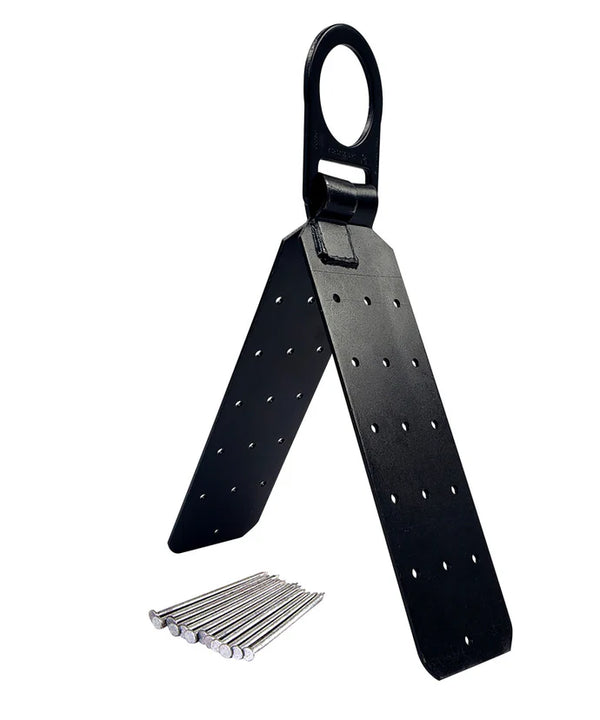
Perfect for tear-offs, repairs, and short-duration projects. These anchors install in seconds without permanent roof penetration. Remove when the job's done and reinstall on the next site. Pair with SRDs or shock-absorbing lanyards.

Permanent Roof Anchors

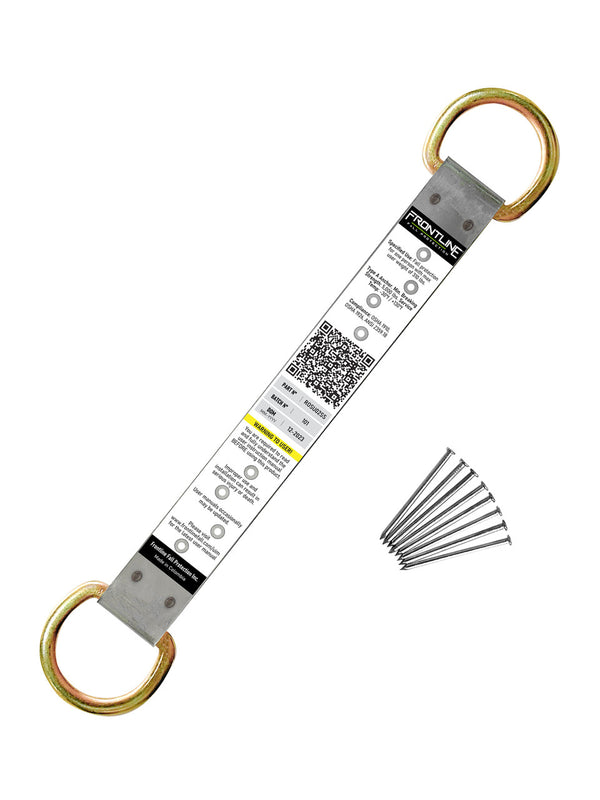
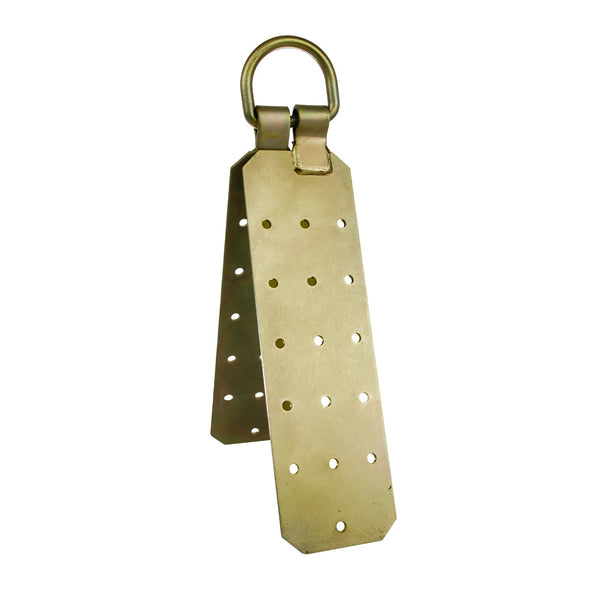
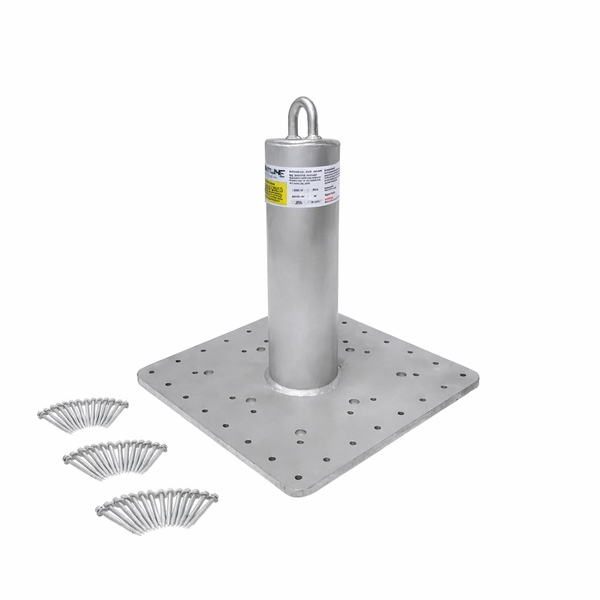
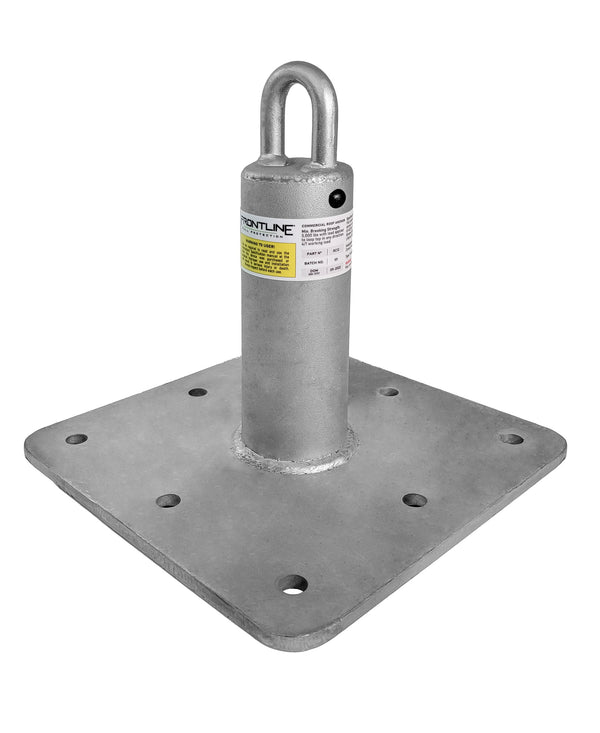
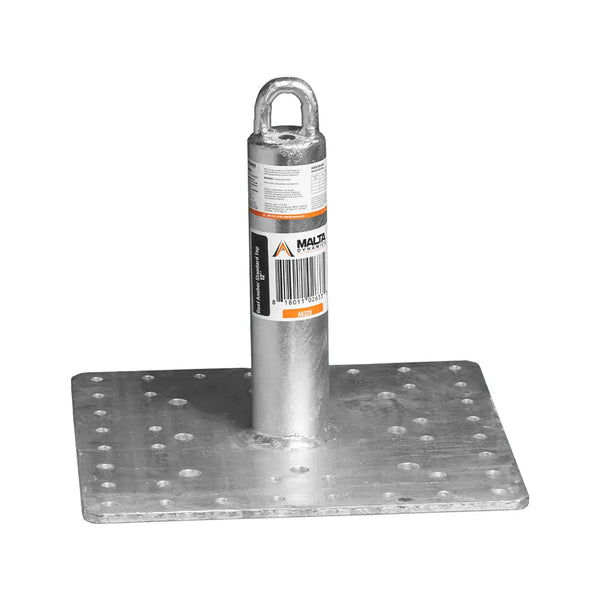
Designed for buildings requiring ongoing maintenance access—commercial roofs, multi-unit residential, and facilities. Installed beneath shingles during construction or re-roofing, these anchors provide a concealed tie-off point for years to come.

Ridge Mount Anchors

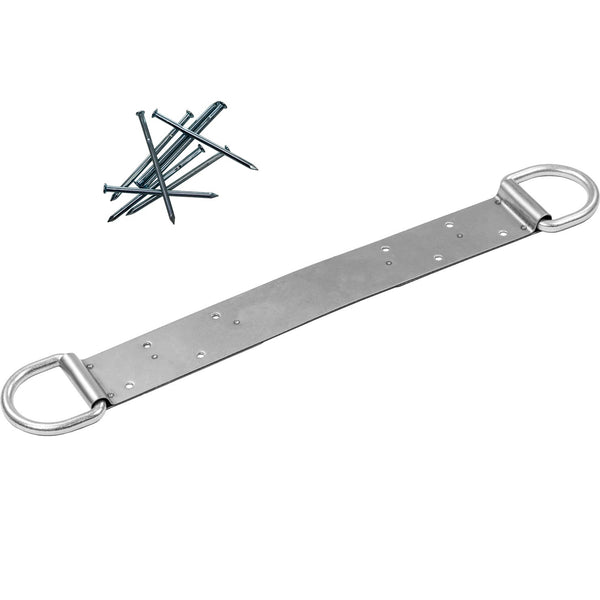
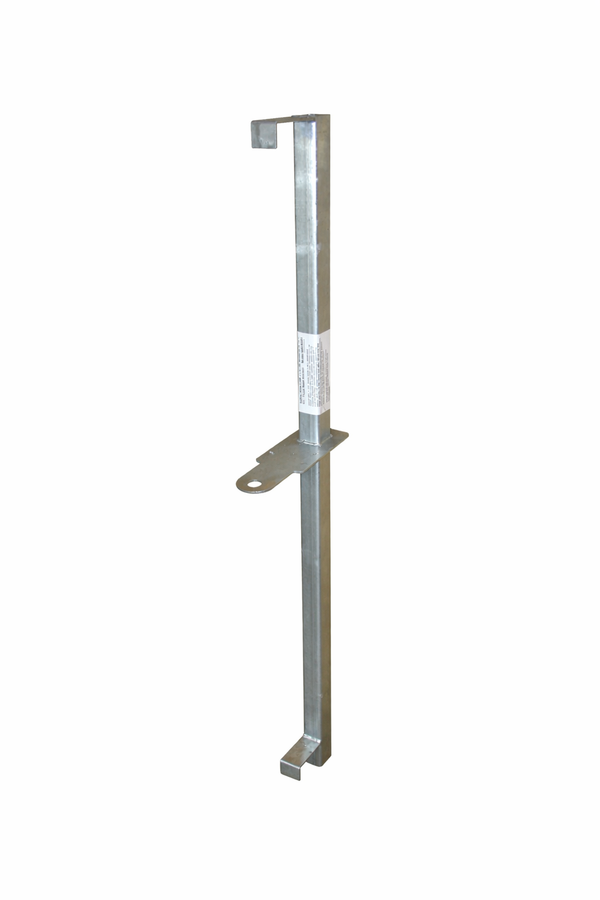
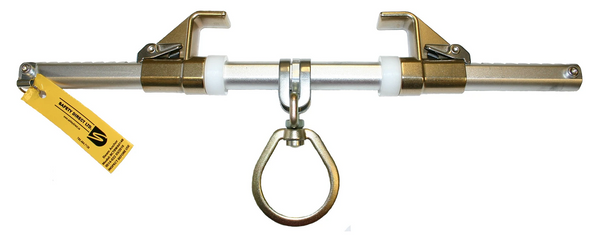
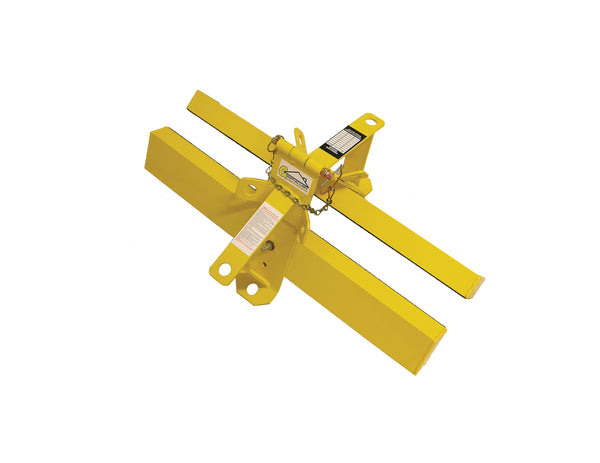
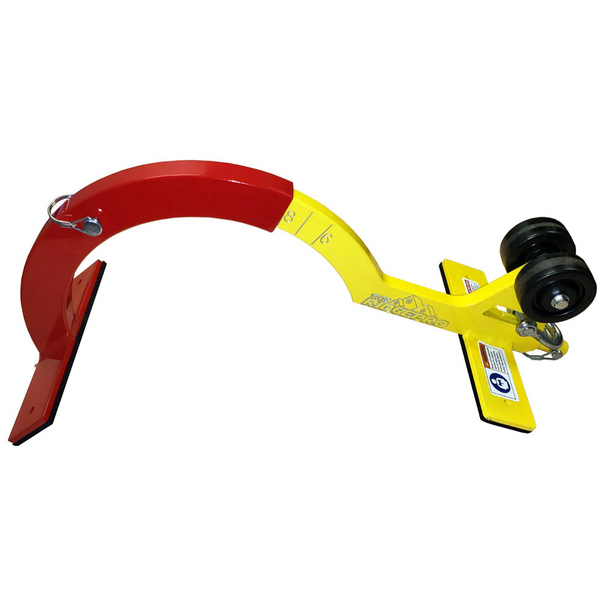
Straddle-style anchors that clamp over roof peaks without penetrating the ridge cap. Ideal for steep-pitch residential roofs where working near the peak is unavoidable. Quick setup, no shingle damage, and reusable across multiple jobs.

Dead Weight Anchors

Non-penetrating anchor systems that rely on gravity and friction for stability. Best suited for low-slope applications and scenarios where roof penetration is prohibited. Requires proper weight calculation based on pitch and surface type.

Installation Best Practices

1. Inspect the Deck

Before installing any anchor, verify that roof decking is solid, dry, and free of rot. Anchors rely on structural integrity—compromised plywood or OSB won't hold. Replace damaged sections before beginning work at height.

2. Locate Trusses or Rafters

Permanent anchors must fasten into structural framing, not just decking. Use a stud finder or measure from gable ends to locate truss positions. Fastening into solid wood ensures the anchor meets rated load requirements.

3. Follow Manufacturer Instructions

Every anchor has specific torque requirements, fastener types, and installation sequences. Deviation from manufacturer guidelines can void certifications and compromise worker safety. Keep installation instructions on site and train your crew properly.

4. Seal Penetrations

Even temporary anchors may require sealing to prevent leaks during multi-day projects. Use roofing cement or compatible sealant around fasteners. For permanent anchors, integrate proper flashing and underlayment during shingle installation.

5. Test Before Use

A visual inspection isn't enough. Pull-test anchors according to provincial regulations (typically 200-250 lbs for 5 minutes) to confirm secure installation. Document tests for compliance records and crew confidence.

6. Plan Anchor Placement

Position anchors to minimize swing fall hazards and keep workers away from roof edges. Calculate fall clearance using the combined length of your lanyard, harness stretch, and worker height. Don't rely on a single anchor for large roof areas—create multiple tie-off points.

Why Roofing Contractors Choose Us

Built for Canadian Roofs

From ice dams in Winnipeg to coastal rain in Halifax, our anchors handle Canada's toughest weather. Corrosion-resistant hardware, freeze-thaw tested, and engineered for long-term durability in harsh climates.

Job-Specific Guidance

Not sure which anchor fits your project? Our team includes former roofers and safety specialists who can recommend the right system based on pitch, substrate, project duration, and provincial regulations.

Stock When You Need It

Roofing season doesn't wait. We maintain deep inventory across our Canadian warehouse so you can restock fast and keep crews working. Same-day shipping on orders placed before cutoff, coast to coast.

Shingle Roof Anchor FAQs

What's the difference between a 3,000 lbf and 5,000 lbf anchor?

The rating indicates the anchor's tested capacity to resist force during a fall arrest event. CSA Z259.15 requires personal fall arrest anchorages to support at least 5,000 lbf (22.2 kN) per attached worker, or meet a 2:1 safety factor when designed by a professional engineer. While some anchors are rated at 3,000 lbf and may be acceptable under engineered systems, 5,000 lbf anchors provide wider compliance and peace of mind across jurisdictions.

Can I reuse temporary anchors on multiple jobs?

Yes, provided they haven't arrested a fall and show no signs of damage or wear. Inspect anchors before each installation: check for bent components, stripped threads, cracked plates, or corrosion. If an anchor has been subjected to fall forces, retire it immediately regardless of visible damage. Keep a log of anchor service history for quality control.

Do temporary anchors damage shingles?

Modern temporary anchors are designed to minimize roof impact. Clamp-style and hook-style anchors distribute force across multiple shingles and require no penetration. Fastened temporary anchors create small nail holes that can be sealed with roofing cement upon removal. For concern about aesthetics or warranty, use non-penetrating systems or install permanent anchors during re-roofing.

How many anchors do I need for a typical residential roof?

It depends on roof size, pitch, and work area. As a rule, workers should always be within reach of an anchor point, minimizing swing fall exposure. For a standard 1,500–2,000 sq ft gable roof, two to four anchor points typically provide adequate coverage. Conduct a site-specific hazard assessment and consult a competent person to determine anchor quantity and placement.

Are shingle roof anchors approved for leading edge work?

Not all anchors are rated for leading edge applications. Leading edge work imposes higher dynamic forces and requires specific equipment ratings. Check manufacturer specifications and ensure your entire fall protection system—anchor, lanyard or SRD, and harness—is approved for leading edge exposure. When in doubt, consult CSA Z259.2.5 or a qualified safety engineer.

Do you ship roof anchors across Canada?

Absolutely. We ship from our Canadian warehouse to all provinces and territories, including remote and northern communities. Standard shipping covers most urban areas within 3–5 business days. Expedited options available for urgent projects—contact us for a freight quote.

Professional Shingle Roof Anchor Systems for Canadian Roofing Contractors

Roofing is one of Canada's most hazardous trades, with falls from elevation consistently ranking as a leading cause of serious injury and fatality. A reliable shingle roof anchor provides the critical tie-off point that keeps roofers connected to a solid structure, enabling safe work on steep pitches, during tear-offs, and throughout new construction. At Fall Protection Canada, we supply roof anchors engineered specifically for asphalt shingle applications—from temporary systems that move job-to-job to permanent anchors concealed beneath finished roofing.

Understanding Roof Anchor Ratings and CSA Standards

In Canada, fall protection anchorages are governed primarily by CSA Z259.15, which specifies performance requirements for personal fall arrest systems. A compliant roof anchor must be capable of supporting at least 5,000 pounds-force (22.2 kN) per attached worker, or be part of a system designed by a professional engineer with a minimum 2:1 safety factor. This rating accounts for the dynamic forces generated during a fall event—forces that can far exceed a worker's body weight due to acceleration and deceleration.

When selecting a shingle roof anchor, look for clear labeling indicating CSA certification or third-party testing to ANSI Z359.18 standards. Anchors meeting these benchmarks have been load-tested and evaluated for material strength, corrosion resistance, and proper installation methods. Provincial occupational health and safety regulations (such as Ontario's OHSA, BC's OHSR, or Alberta's OHS Code) mandate the use of certified equipment, and inspectors have the authority to shut down jobsites using substandard gear.

Temporary vs. Permanent Roof Anchors: Which Is Right for Your Job?

The choice between temporary and permanent anchors depends on project scope, duration, and building use. Temporary roof anchors are the workhorse of residential roofing contractors. These systems install quickly—often in under a minute—using clamps, hooks, or minimal fastening into roof decking. Temporary anchors are ideal for re-roofing projects, emergency repairs, and any scenario where you need a secure tie-off without permanently modifying the structure. After the job, you remove the anchor, seal any small penetrations, and redeploy it on the next site.

Popular temporary anchor styles include:

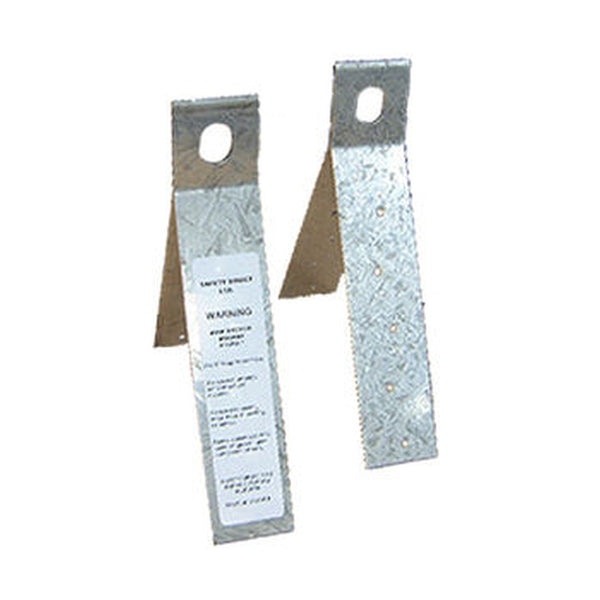
  • Hook-style anchors: These slide under shingle courses and hook onto roof decking or nailing strips. Fast deployment and zero penetration make them a favorite for quick repairs and inspections.
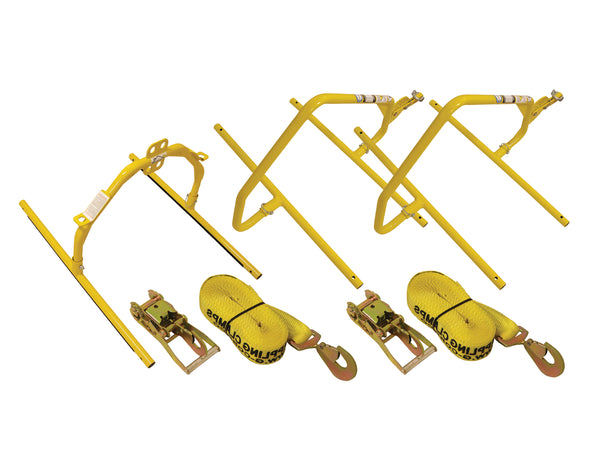
  • Ridge mount anchors: Straddle the roof peak and secure with adjustable clamps or straps. Perfect for steep-pitch work where accessing the ridge is essential.
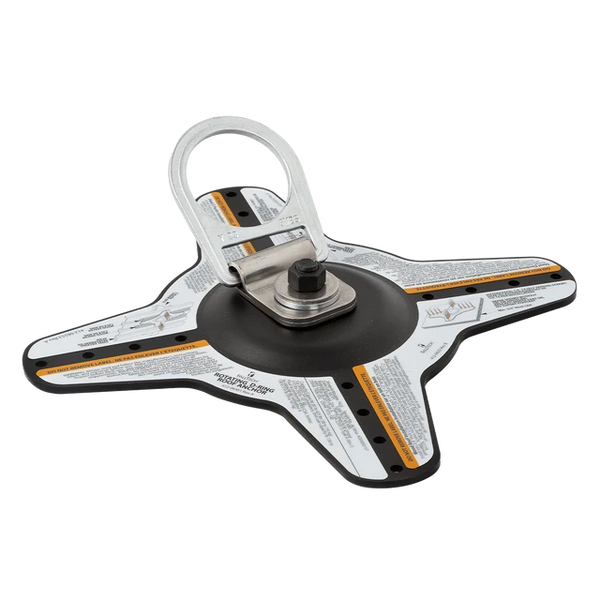
  • Screw-in temporary anchors: Fasten directly into roof decking or structural framing with lag screws. Stronger than hook-style anchors and suitable for multi-day projects where you need consistent, high-capacity tie-off points.

Permanent roof anchors are installed during new construction or re-roofing and remain in place for the life of the building. They're required on many commercial buildings and multi-family residential structures where ongoing maintenance (HVAC service, gutter cleaning, chimney repair) necessitates regular roof access. Permanent anchors are concealed beneath shingles, with only a small D-ring or anchor loop exposed. Properly flashed and sealed, they introduce no leak risk and provide a ready-made tie-off for future work.

For building owners and facility managers, permanent anchors are a smart investment. They eliminate the need to jerry-rig tie-off solutions every time maintenance is required, reduce liability exposure, and ensure compliance with building codes that mandate rooftop anchorage for service access.

Installation Considerations: Decking, Pitch, and Load Path

A roof anchor is only as strong as the structure it's attached to. Asphalt shingles themselves provide no structural value—your anchor must connect to the roof deck or, ideally, directly into trusses or rafters. Most residential roofs in Canada are sheathed with 1/2" or 5/8" plywood or oriented strand board (OSB). While adequate for typical roof loads, these materials can delaminate, rot, or weaken over time, especially in older homes or areas with moisture intrusion.

Before installing an anchor, inspect the deck thoroughly. Soft spots, water stains, or sagging areas indicate compromised sheathing that won't hold an anchor under fall arrest loads. If you discover damage, replace affected sections before proceeding. For permanent anchors and high-capacity temporary anchors, always fasten into structural members—not just decking. Locate trusses or rafters using a stud finder, measuring from gable ends (typically 16" or 24" on center), or by feeling for solid nailing through the existing shingles.

Roof pitch also affects anchor performance and fall protection system design. Steeper roofs (8/12 pitch and above) create longer potential fall distances and increase swing fall hazards. On steep pitches, position anchors near the ridge or use multiple anchor points to keep workers as high as possible. Shallow pitches (4/12 to 6/12) allow more lateral movement but require careful planning to prevent workers from sliding toward eaves if footing is lost. Calculate fall clearance distances based on your harness and lanyard configuration, accounting for stretch, deceleration, and worker height.

Integrating Anchors Into a Complete Fall Protection System

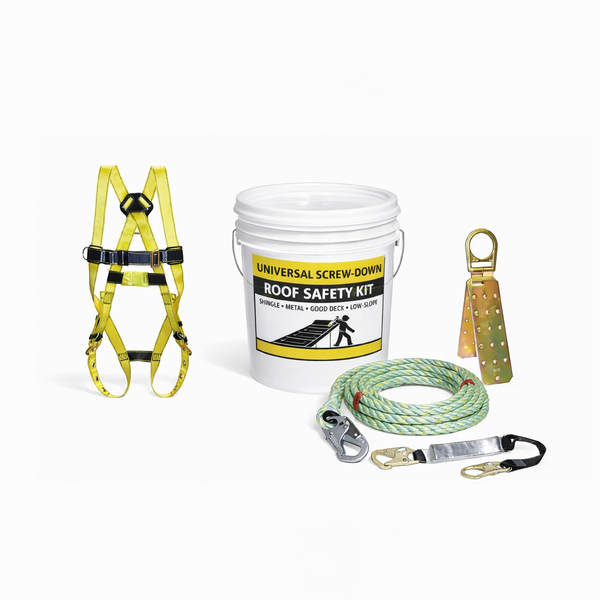
An anchor alone won't prevent falls—it's one component in a comprehensive fall arrest system. Workers must wear a properly fitted full body harness, connect to the anchor with an appropriate shock-absorbing lanyard or self-retracting lifeline, and work within the system's rated capacity and geometry. For roofing applications, self-retracting devices (SRDs) are often preferred over fixed-length lanyards because they allow greater mobility while maintaining constant tension, reducing trip hazards and slack that can increase fall distances.

Horizontal lifeline systems offer another solution for larger roofs or multi-worker scenarios. A horizontal lifeline spans between two anchors, allowing workers to move freely along the roof length without disconnecting and reconnecting. This continuous connection reduces the risk of human error—the leading cause of fall-related injuries in construction. Lifeline systems must be engineered to account for distributed loads and sag, especially when multiple workers are attached simultaneously.

Don't forget rescue planning. If a fall occurs and a worker is left suspended in their harness, suspension trauma can cause serious injury or death within minutes. Every fall protection plan should include a rescue protocol: pre-positioned rescue equipment (descent devices, rescue ladders), trained personnel, and clear communication procedures to summon emergency services. In remote or high-risk environments, consider self-rescue devices that allow fallen workers to descend independently.

Maintenance, Inspection, and Anchor Lifespan

Even the toughest shingle roof anchor won't last forever. UV exposure degrades webbing and coatings. Moisture promotes rust and corrosion, especially on fasteners and connection points. Thermal cycling—common in Canadian climates—can loosen bolts and compromise structural integrity over time. Regular inspection and maintenance aren't optional; they're required under provincial OHS regulations and critical for worker safety.

Pre-use inspections should occur before every deployment, especially for temporary anchors moved between jobsites. Look for:

  • Bent, cracked, or deformed metal components
  • Corrosion, rust, or pitting on plates, clamps, or fasteners
  • Worn or frayed webbing straps (if applicable)
  • Stripped threads or damaged adjustment mechanisms
  • Missing labels, tags, or identification markings

Any anchor showing signs of damage or wear should be removed from service immediately. Don't try to repair or modify anchors in the field—doing so voids certifications and creates liability exposure. Replace compromised anchors with certified equipment and document the retirement for your safety records.

Annual detailed inspections by a competent person are required for permanent anchor installations. This inspection should include visual examination, pull testing (if feasible), and documentation of anchor condition, installation date, and service history. Building owners and property managers are responsible for maintaining this inspection schedule; failure to do so can result in regulatory penalties and increased liability in the event of an incident.

Canadian Weather and Roof Anchor Performance

Canada's climate presents unique challenges for roof anchors. Winter ice buildup can obscure anchor locations and make roof surfaces treacherous. Spring thaw introduces moisture and freeze-thaw cycling that stresses fasteners and deck materials. Summer heat can soften asphalt shingles, reducing friction for non-penetrating anchors. Coastal regions face salt spray and corrosion, while northern jobsites contend with extreme cold that embrittles certain plastics and rubbers.

When sourcing roof anchors in Canada, choose equipment rated for environmental exposure. Stainless steel or galvanized hardware resists corrosion far better than plain steel. Powder-coated or anodized finishes protect against UV and moisture. For permanent installations in harsh climates, consider marine-grade components designed to withstand salt, humidity, and temperature extremes. Temporary anchors stored between jobs should be cleaned, dried, and kept in a climate-controlled environment to extend service life.

Compliance Across Canadian Provinces and Territories

While CSA standards provide a national framework, fall protection regulations are enforced at the provincial and territorial level—and requirements vary. In Ontario, for example, Regulation 213/91 mandates fall protection when working above 3 meters (roughly 10 feet). British Columbia's OHSR specifies fall protection above 3 meters for most construction but lowers the threshold to 2.4 meters for certain high-risk activities. Alberta's OHS Code also uses a 3-meter threshold but includes additional requirements for leading edge and open-sided work.

Some provinces require written fall protection plans for commercial projects, competent person oversight, and documented worker training. Others mandate specific anchorage and clearance calculations, rescue planning, and equipment inspection records. If your business operates across multiple provinces—common for larger roofing contractors—ensure your fall protection program meets the strictest applicable standards. When in doubt, consult a qualified safety professional or engineer familiar with local regulations.

Training Your Crew: Making Anchors Part of the Culture

The best roof anchor in the world won't save lives if workers don't use it correctly—or at all. Fall protection compliance starts with training. Every worker exposed to fall hazards must understand how to identify anchor points, verify their integrity, connect their harness properly, and recognize when fall protection is required. Training should be hands-on, job-specific, and repeated annually or whenever conditions change.

Beyond initial training, foster a safety culture where using fall protection is non-negotiable. Supervisors should lead by example, wearing harnesses and connecting to anchors even for short-duration tasks. Normalize pre-job safety talks where crew members discuss anchor placement, fall hazards, and rescue procedures. Encourage workers to speak up if they see unsafe conditions or shortcuts. The goal is to make fall protection instinctive—not a bureaucratic checkbox but a reflex ingrained through repetition and leadership.

Why Source Roof Anchors From a Canadian Supplier?

Buying shingle roof anchors from a Canadian distributor offers tangible advantages over ordering from the U.S. or overseas. First, there's speed: domestic inventory ships faster and isn't subject to customs delays or border inspections. When your crew is waiting on anchors to start a job, every day matters. Second, there's compliance confidence: Canadian suppliers stock products designed for CSA standards and tested under conditions relevant to our climate and construction practices. Third, there's support: when you have questions about installation, compatibility, or regulatory requirements, you're dealing with people who understand Canadian jobsites and speak your language—literally and figuratively.

At Fall Protection Canada, we don't just sell anchors—we're part of the roofing and construction community. Our team includes former roofers, safety professionals, and equipment specialists who've faced the same challenges you do. Whether you need guidance on anchor selection for a tricky retrofit, help interpreting provincial regulations, or fast replacement gear to keep a crew working, we're here to support you. From St. John's to Victoria, Vancouver to Iqaluit, we ship across the country with the same commitment to service and safety.

Final Thoughts: Investing in Safety Pays Dividends

The upfront cost of quality roof anchors and fall protection equipment can seem steep, especially for smaller roofing contractors operating on tight margins. But consider the alternative: workplace injuries drive up WCB premiums, trigger regulatory fines, and expose you to civil liability. Lost-time incidents disrupt schedules, demoralize crews, and damage your reputation. In the worst cases, preventable falls lead to permanent disability or death—tragedies no dollar figure can quantify.

Investing in proper fall protection isn't just about compliance. It's about protecting your team, your business, and your peace of mind. A well-designed anchor system, combined with training, supervision, and a culture of safety, transforms fall protection from a burden into a competitive advantage. Clients notice contractors who prioritize safety. Skilled workers want to work for companies that value their wellbeing. Insurers offer better rates to businesses with strong safety records. In the long run, doing it right costs less—and saves lives.

Important: Fall protection equipment, including roof anchors, must be selected, installed, inspected, and used in accordance with manufacturer instructions, applicable CSA standards (including CSA Z259.15), and provincial or territorial occupational health and safety regulations. Installation on roofs requires assessment of substrate integrity and proper load path analysis. This webpage provides general information only and does not replace professional engineering judgment, competent person oversight, or worker training. Fall Protection Canada is not liable for improper installation, misuse, or failure to follow manufacturer specifications. For complex installations or site-specific guidance, consult a qualified professional engineer or safety consultant.