
SCROLL
LANYARDS & SHOCK ABSORBERS · CSA Z259.11 · ANSI Z359.13
Lanyards & Shock Absorbers in Canada
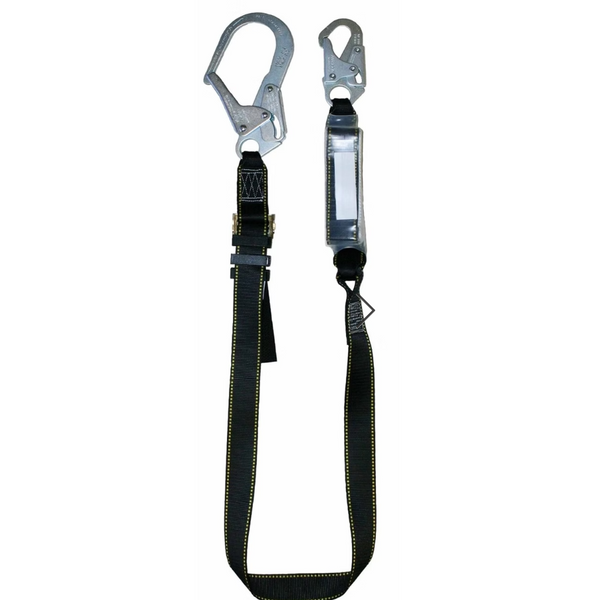
Energy-absorbing connectors that limit fall arrest forces: single-leg shock-absorbing lanyards, twin-leg (100% tie-off) lanyards, wire-rope and web styles, plus positioning and restraint lanyards. CSA Z259.11, stocked in Paris, Ontario and priced in CAD — each lanyard lists its actual certification, stated plainly.
- CSA Z259.11
- Single & twin-leg
- Ships from Paris, ON
- CAD — no duties
- Same-day dispatch
Shop Lanyards & Shock Absorbers
LIVE INVENTORY · CAD PRICING · ADD TO CART
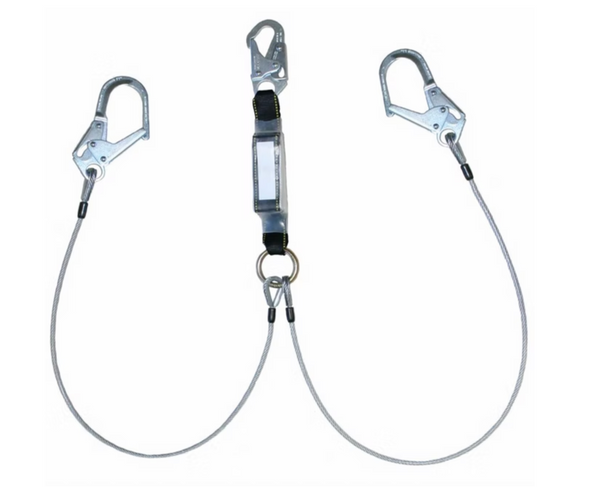
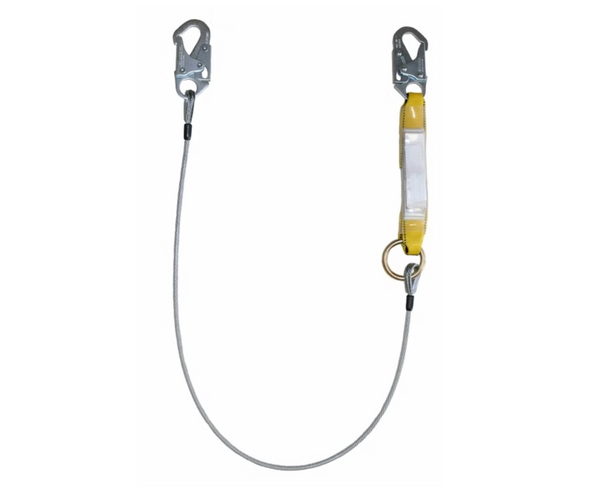
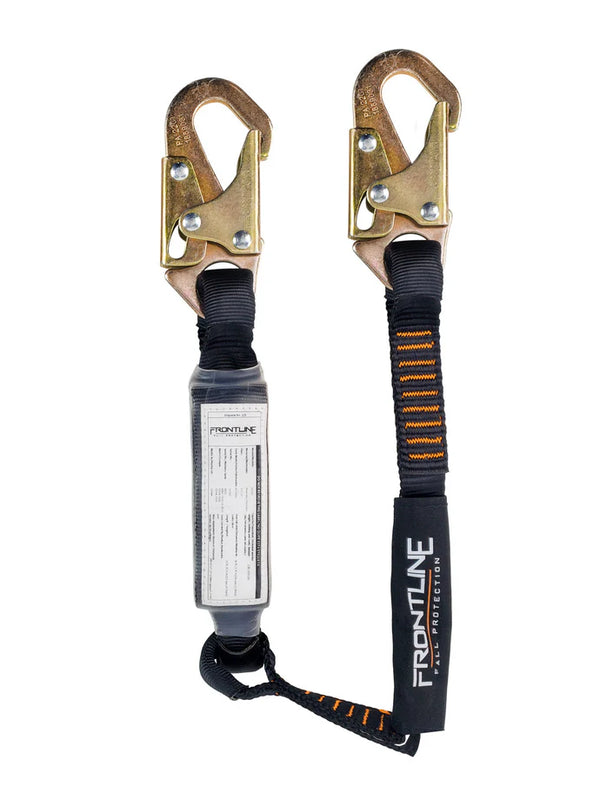
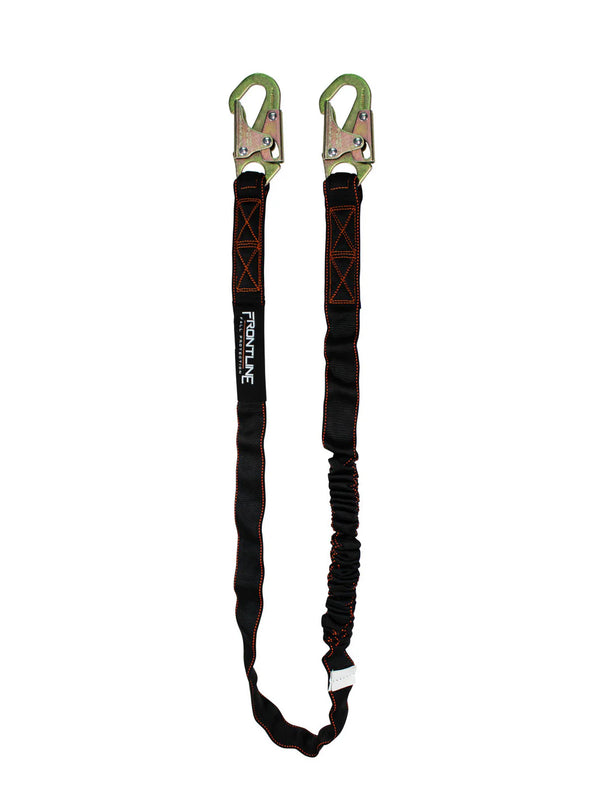
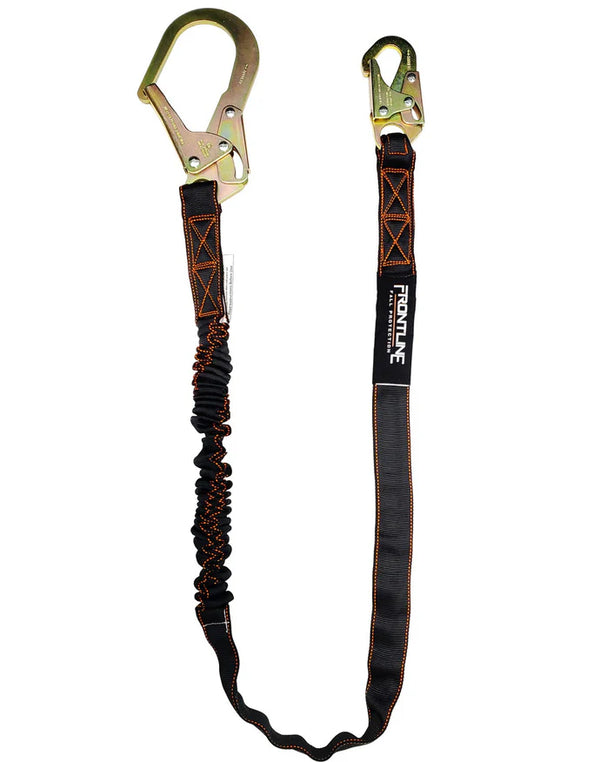
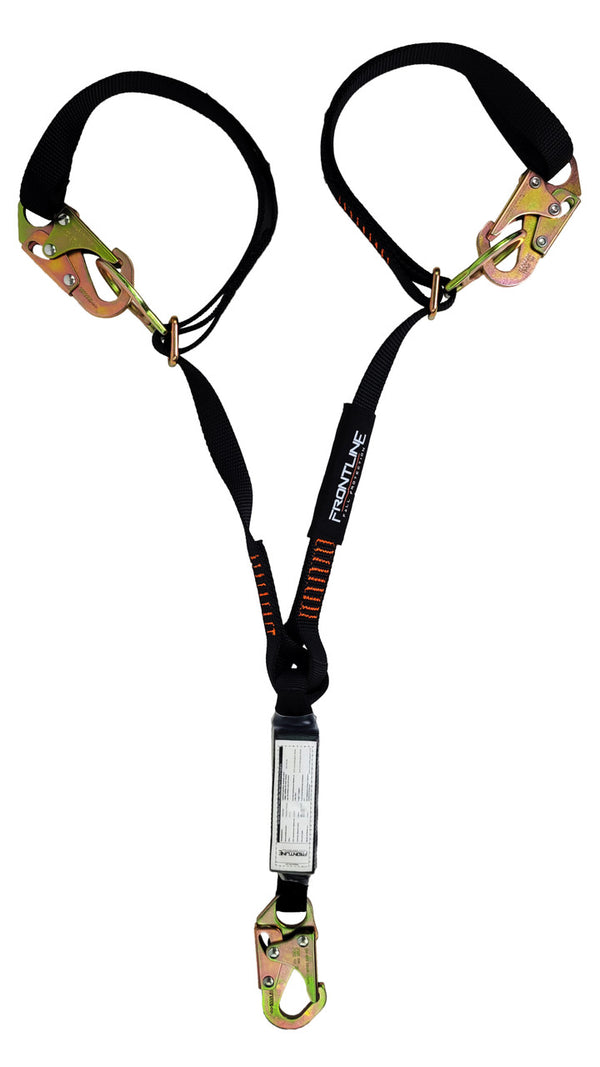
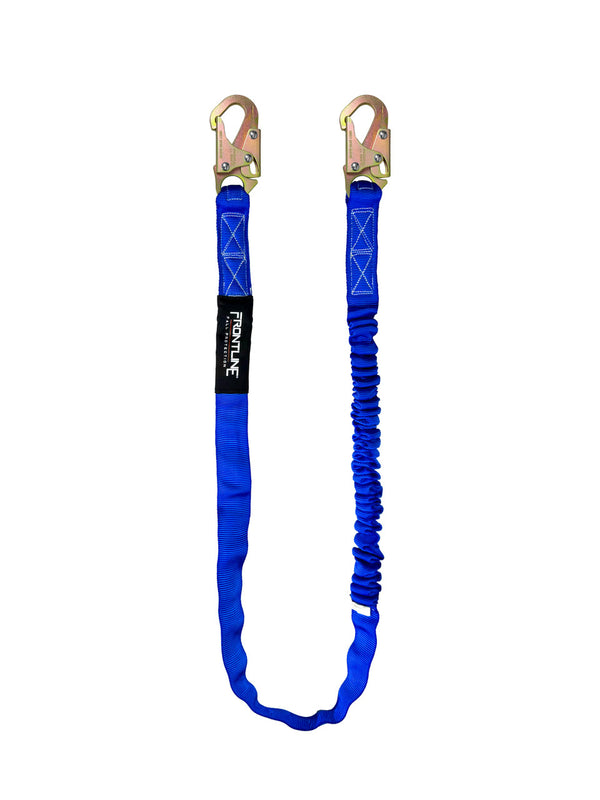
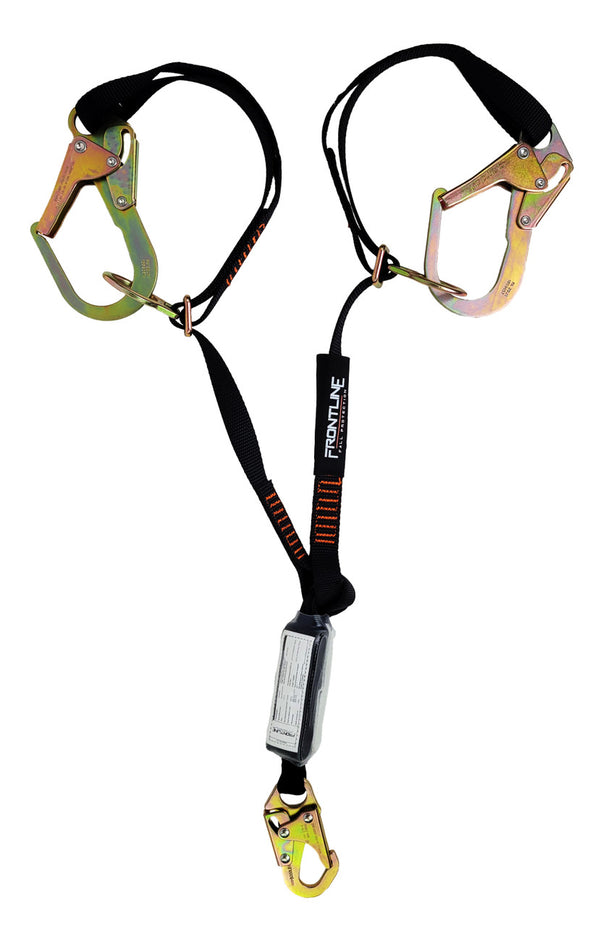
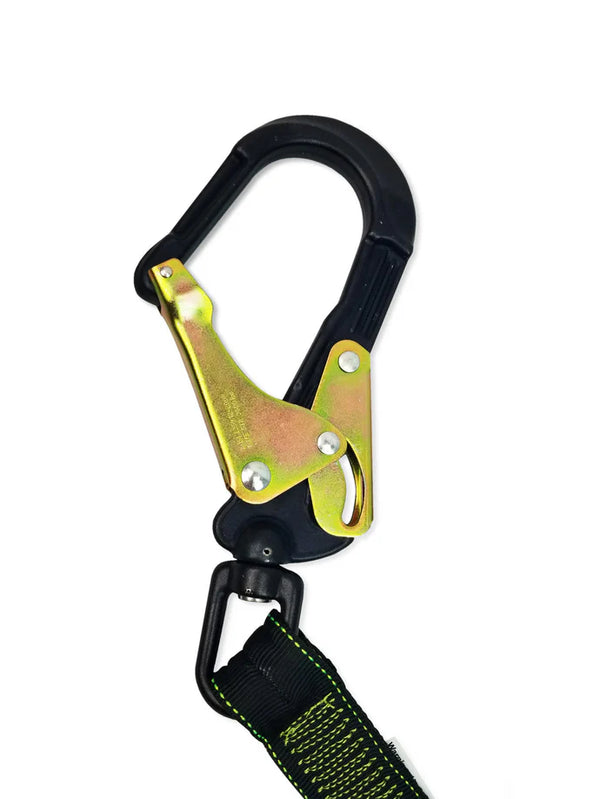
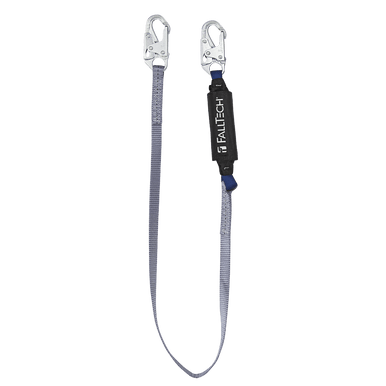
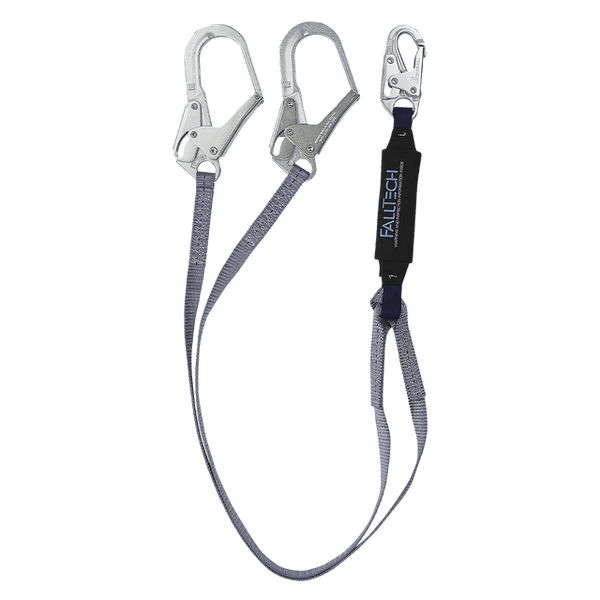
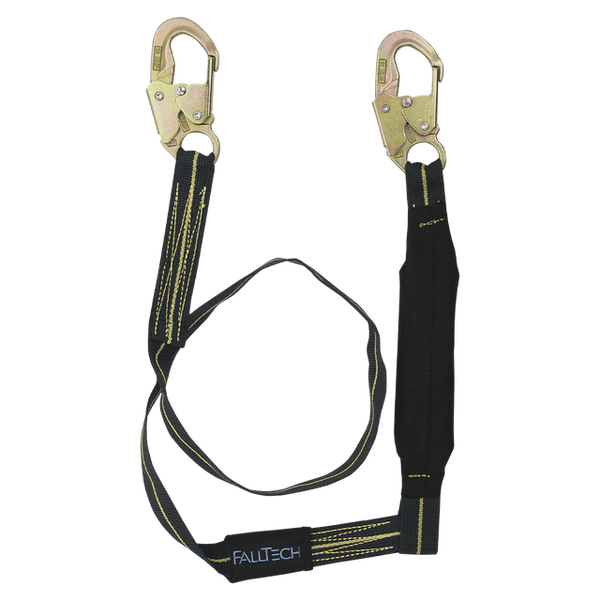
Shop lanyards by brand
THE BRANDS CANADIAN CREWS ASK FOR


Choosing the right lanyard
SINGLE-LEG VS TWIN-LEG
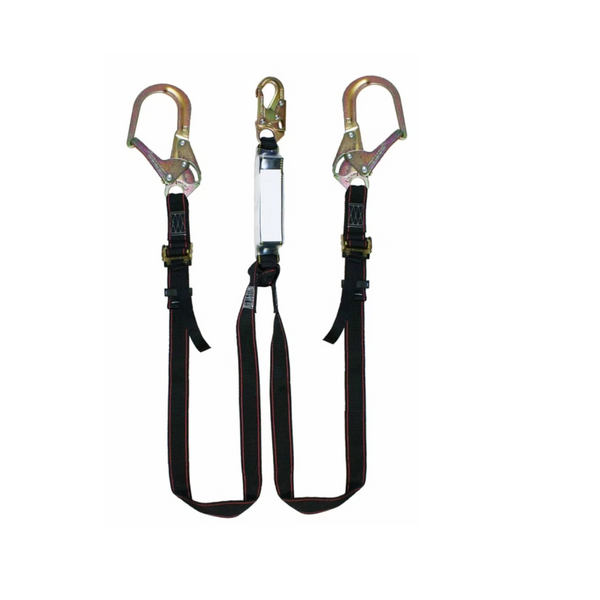
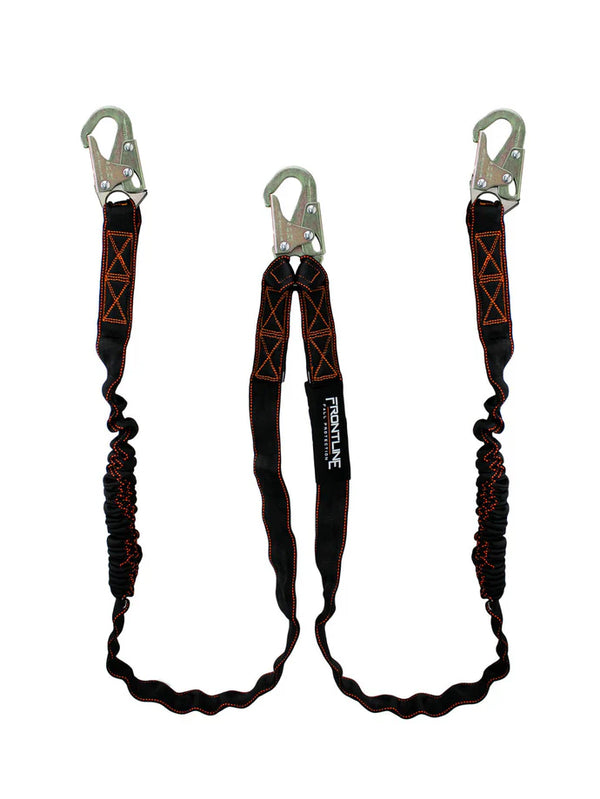
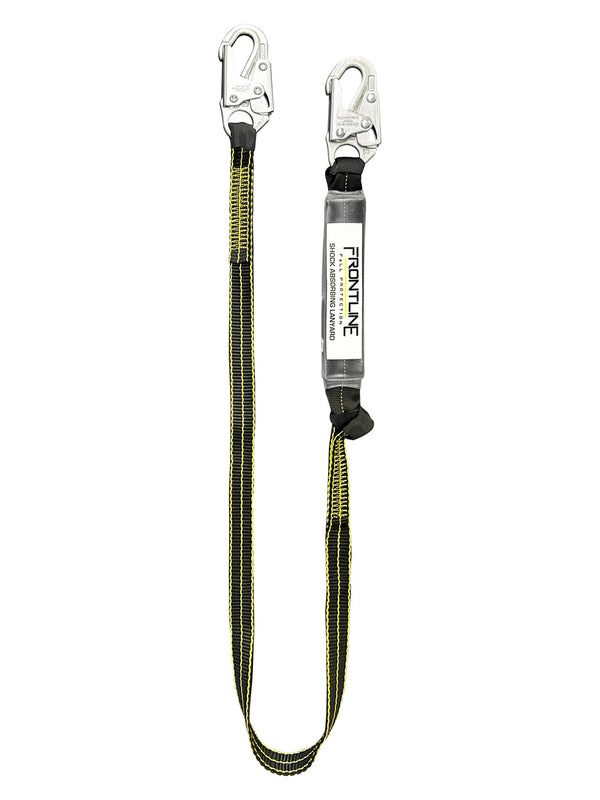
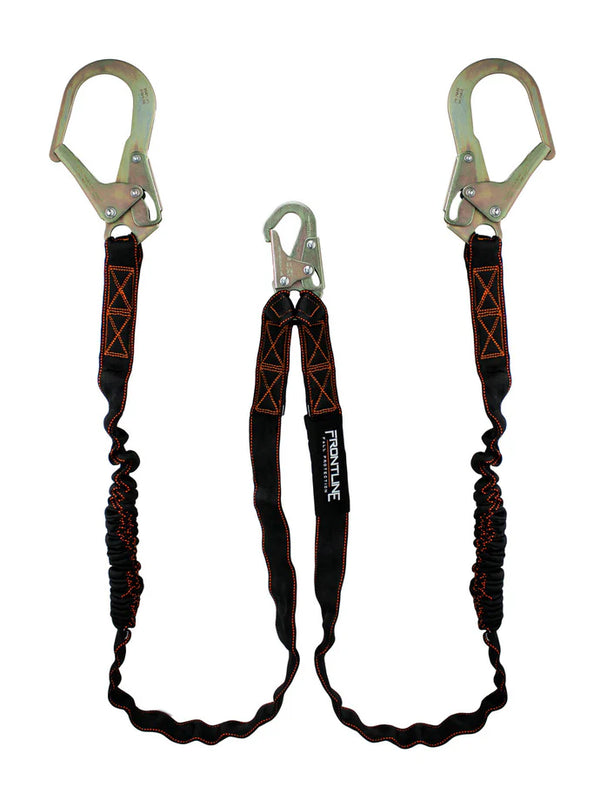
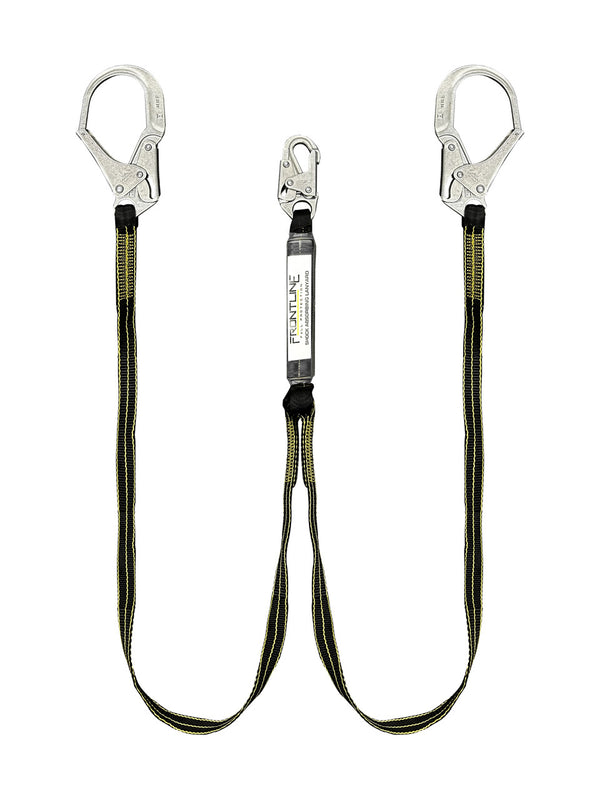
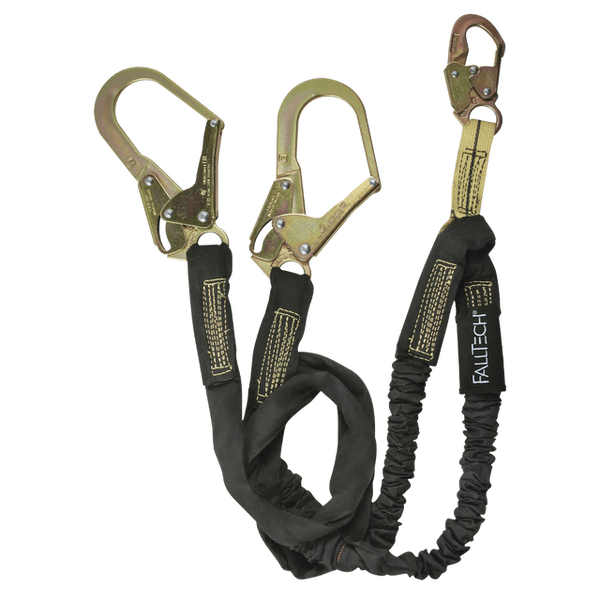
A single-leg lanyard connects to one tie-off point. A twin-leg (Y) lanyard lets a worker stay connected to one leg while moving the other — "100% tie-off" — essential when transitioning across a structure.
SHOCK ABSORBER & CLEARANCE
An energy absorber tears under load to keep arrest forces under the CSA limit. It also adds to your required fall clearance — account for lanyard length, deceleration distance, the worker's height and a safety margin before tying off.
WEB, WIRE-ROPE & HOOKS
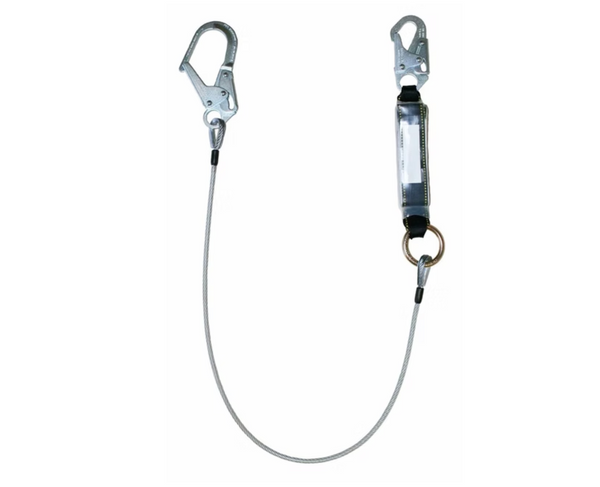
Web lanyards are light and flexible; wire-rope resists abrasion, heat and sparks for welding and steel. Match the connector — snap hook, rebar hook or carabiner — to your anchor. Each product lists its CSA Z259.11 rating.
Energy-absorbing lanyards for Canadian jobsites
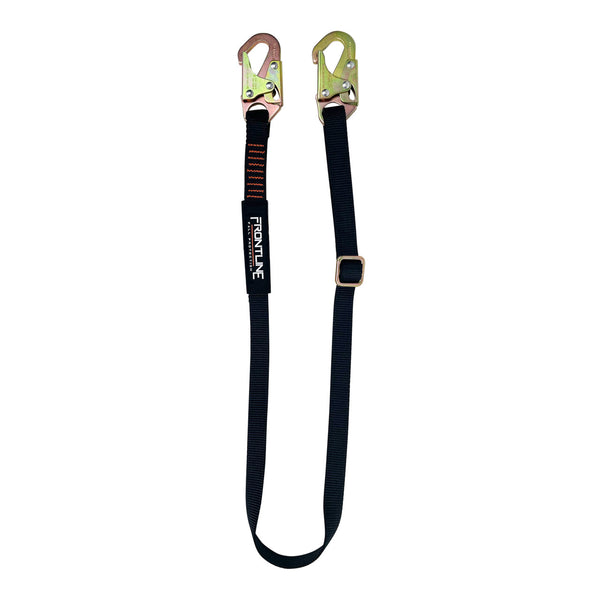
The lanyard is the connector between a worker's harness and their anchor — and the energy absorber built into it is what keeps a fall from becoming an injury. Fall Protection Canada stocks CSA Z259.11 lanyards in single-leg and twin-leg (100% tie-off) configurations, in web and wire-rope, plus positioning and restraint styles, from the brands Canadian crews ask for: Frontline Combat™, FallTech and Safety Direct — all shipped from Paris, Ontario in CAD.
A lanyard is one part of a connected system. Pair it with a full-body harness and a tie-off point, or step up to a self-retracting lifeline where you need shorter free fall and more mobility. Browse the full PPE range, add a roof anchor, or grab a complete kit — or call 437-475-2066 for a 24-hour quote.
Lanyard compliance & inspection guides
CSA Z259 · ANSI Z359 · PROVINCIAL OHS
- INSPECTION
How to Inspect Your Fall Protection Equipment: A Canadian Field Guide
Pre-use and periodic inspection steps for harnesses, lanyards and SRLs, mapped to Canadian requirements.
- COMPLIANCE
CSA vs ANSI Fall Protection Standards in Canada: What's Actually Legal by Province
When ANSI-labelled lanyards are accepted and when CSA is mandatory — province by province.
- EQUIPMENT
Canadian Fall Protection Equipment Guide 2026
The complete buyer's guide to anchors, harnesses, lanyards, SRLs and kits for Canadian jobsites.
Lanyards ship to every province — compliance guidance for Ontario, Quebec, Alberta, BC, Manitoba, Saskatchewan, Nova Scotia and Newfoundland & Labrador.
Lanyards & shock absorbers — common questions
ANSWERS YOU CAN CITE
01Single-leg or twin-leg lanyard — which do I need?
Use a single-leg lanyard when you work from one fixed tie-off point. Use a twin-leg (Y) lanyard when you need to move across a structure without ever disconnecting — you clip the second leg to the next anchor before unclipping the first, staying tied off 100% of the time. Twin-leg is standard for steel erection and any work that involves transitioning between anchor points.
02How much fall clearance does a shock-absorbing lanyard need?
More than people expect. You have to add up the lanyard length, the deceleration distance as the energy absorber deploys (often around 1.2 m / 4 ft), the worker's height below the D-ring, and a safety margin — commonly totalling roughly 5.5 m (18 ft) of clearance below the anchor for a 6 ft shock-absorbing lanyard. If you don't have that clearance, a self-retracting lifeline (SRL) shortens the free fall. Always check the manufacturer's clearance chart for the exact figures.
03When should I use an SRL instead of a lanyard?
Choose an SRL when fall clearance is limited, when the worker needs to move toward and away from the anchor freely, or when you want the shortest possible free fall. A shock-absorbing lanyard is simpler and economical where there's ample clearance and the worker stays near the anchor. Both are valid — it comes down to clearance, mobility and the anchor location.
04Do lanyards expire?
There's no single legislated expiry date, but manufacturers set a service life and a lanyard must be removed from service immediately after arresting a fall (a deployed energy absorber is single-use) or if it fails inspection. Synthetic webbing degrades with UV, chemicals and abrasion, so inspect before every use and follow the manufacturer's instructions and your provincial requirements — our field inspection guide walks through what to check.