
SCROLL
SELF-RETRACTING LIFELINES · CSA Z259.2.2 · ANSI Z359.14
Self-Retracting Devices (SRDs) & Lifelines (SRLs) in Canada
Self-retracting lifelines — SRLs, SRDs and fall-arrest blocks — lock on a sudden fall to shorten free-fall distance and keep workers mobile. Shop single-leg and twin-leg (100% tie-off) SRLs, leading-edge (SRL-LE) cable and web units, personal SRLs and 3-way retrieval rescue SRLs. CSA Z259.2.2 / ANSI Z359.14, stocked in Paris, Ontario and priced in CAD — each device lists its actual certification, stated plainly.
- Leading-edge SRL-LE
- Single & twin-leg
- Cable & web
- CSA Z259.2.2
- Ships from Paris, ON
Shop Self-Retracting Lifelines
LIVE INVENTORY · CAD PRICING · ADD TO CART
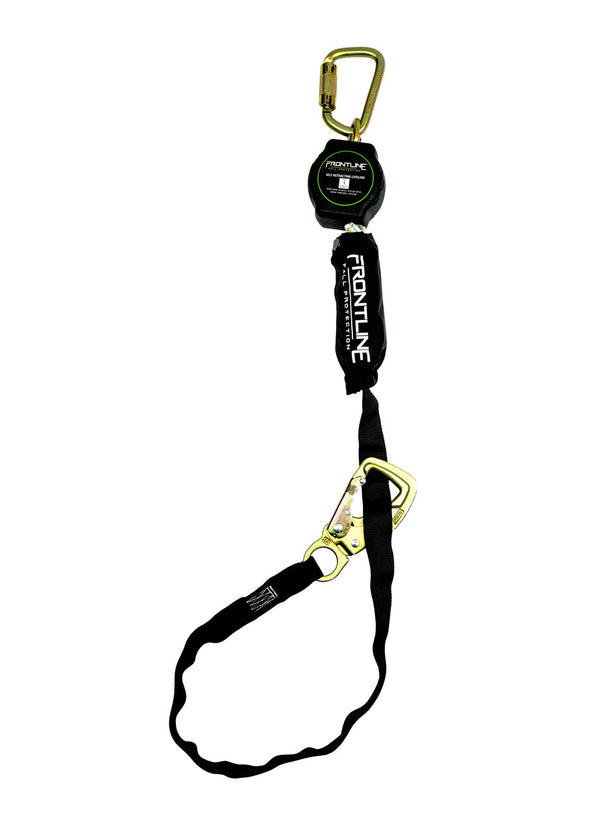
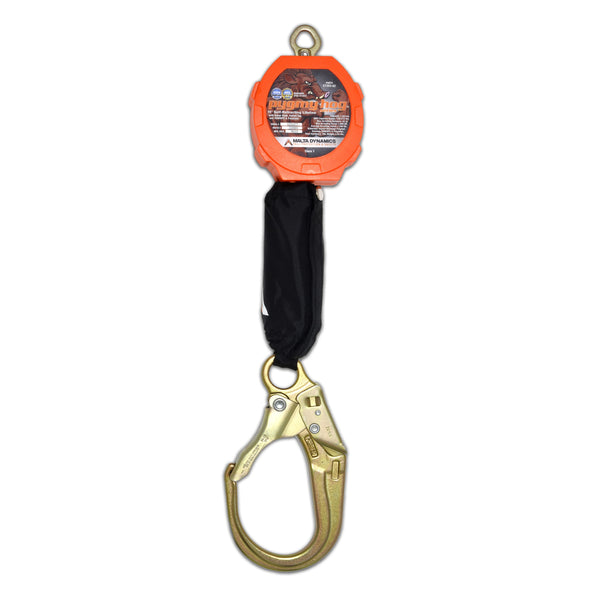
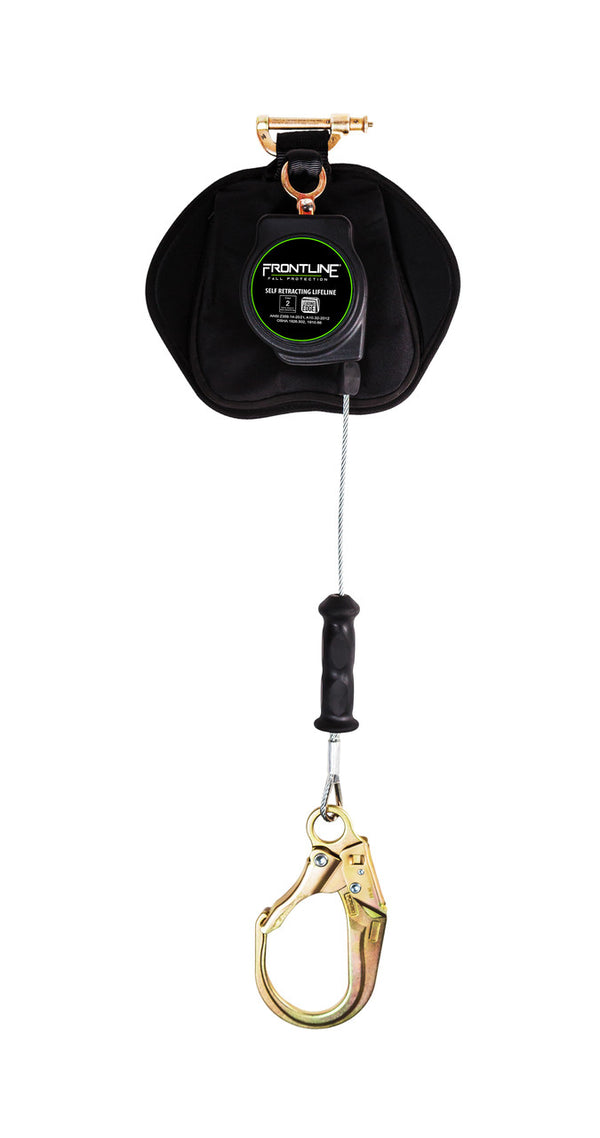
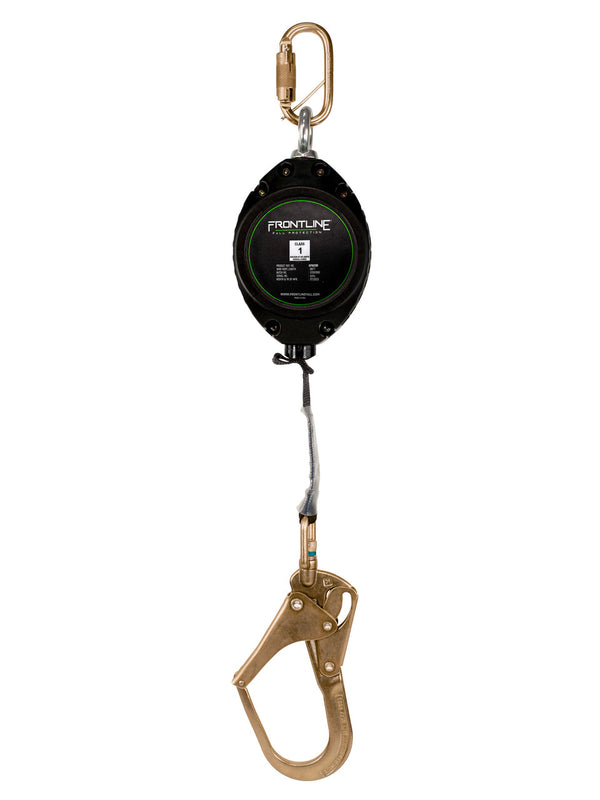
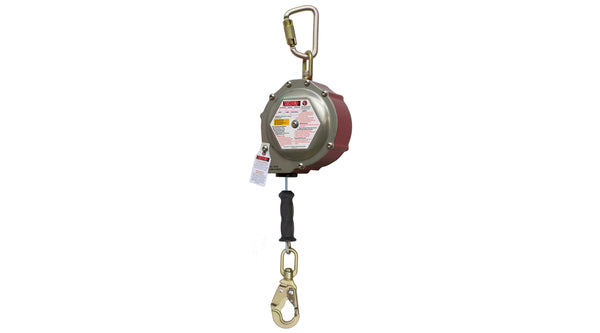
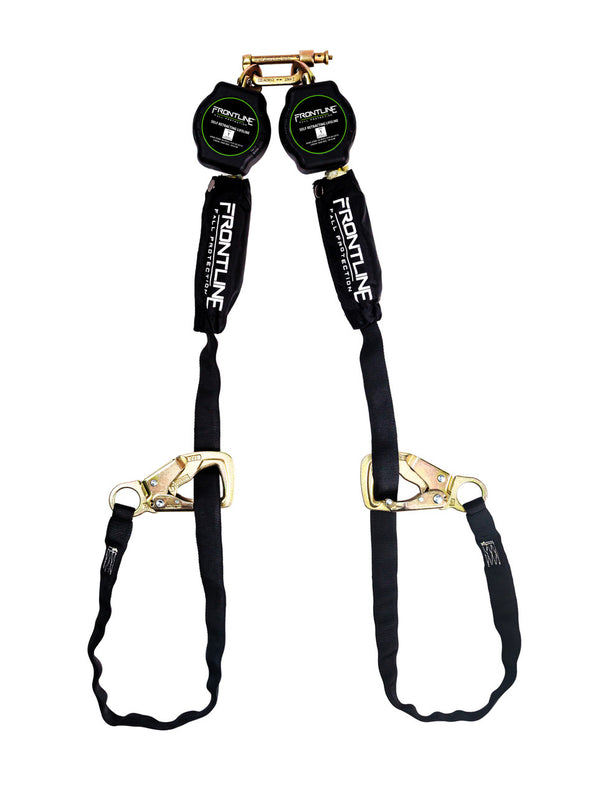
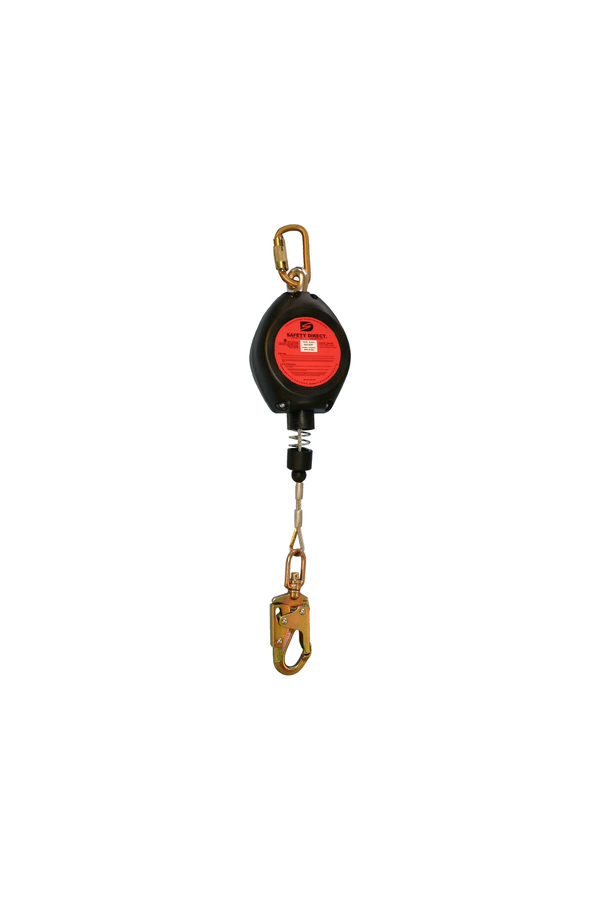
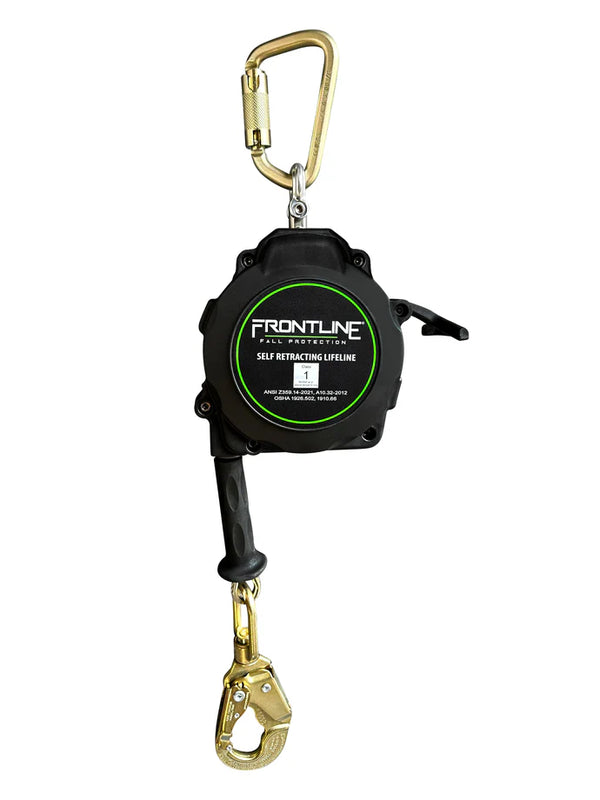
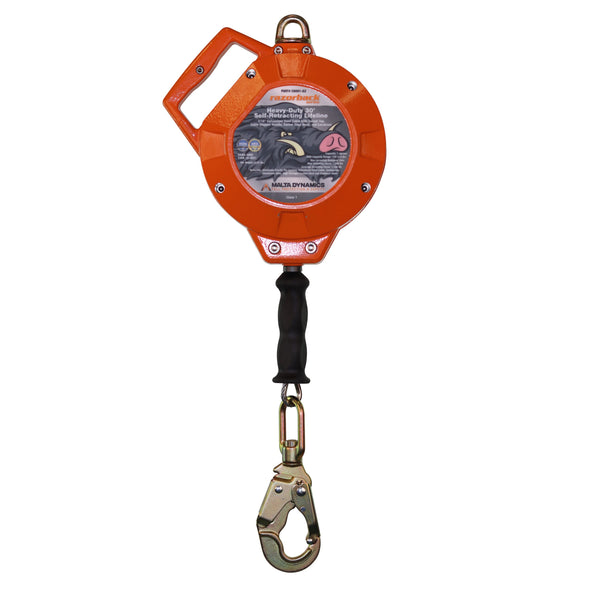
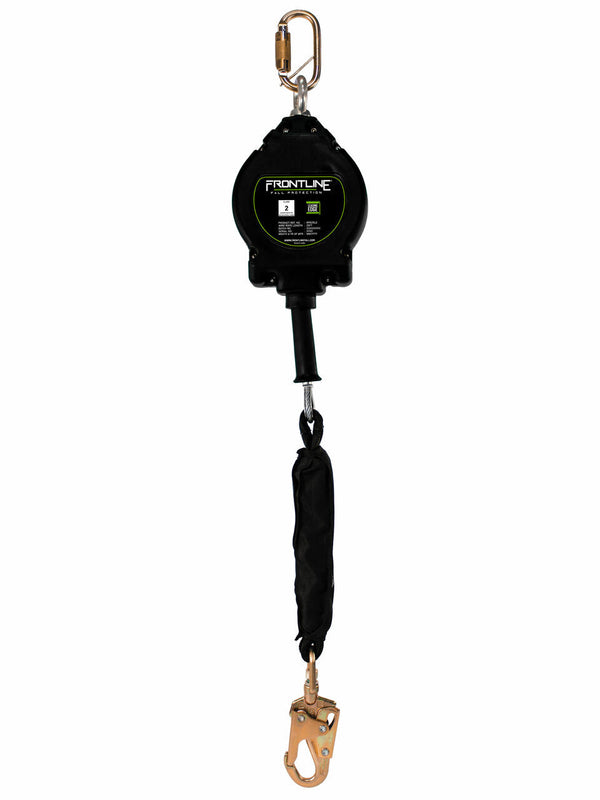
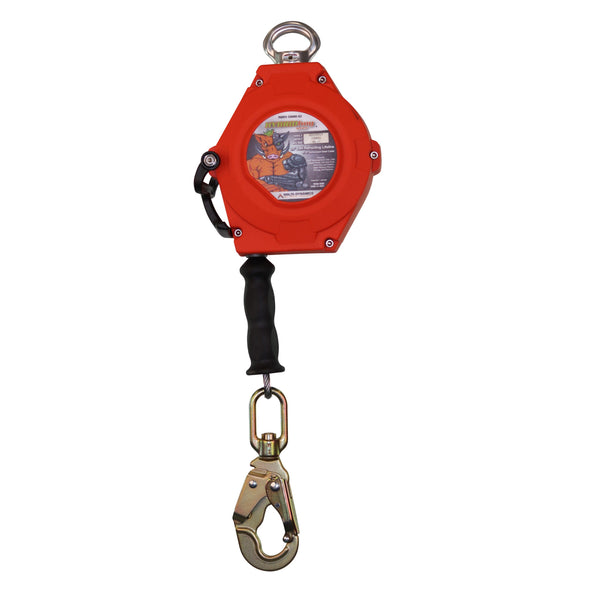
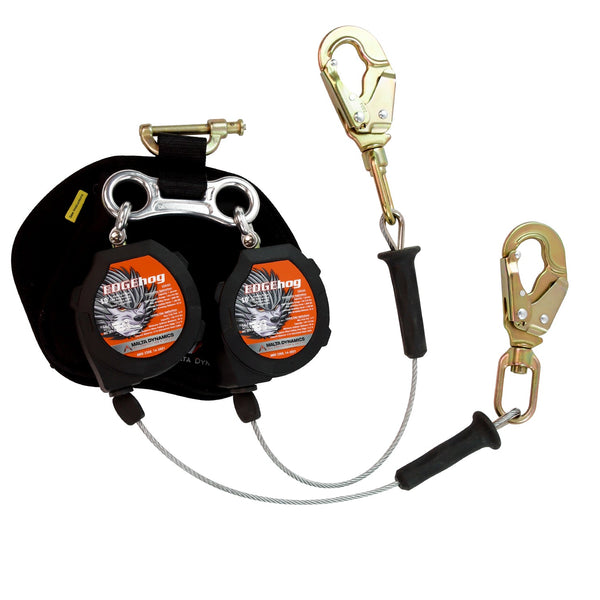
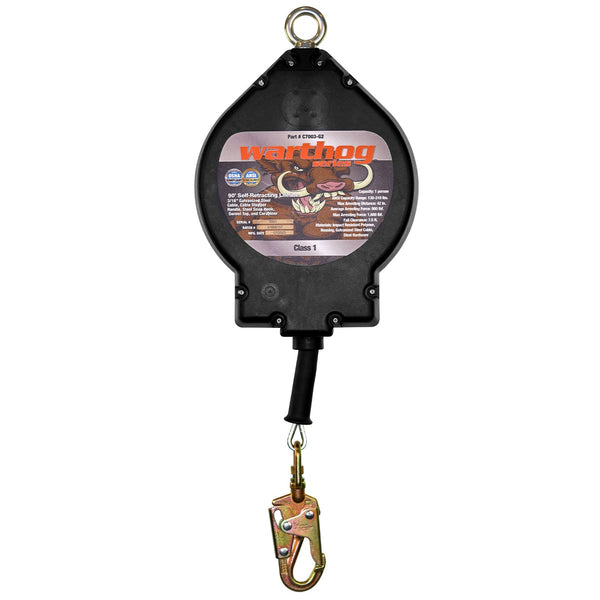
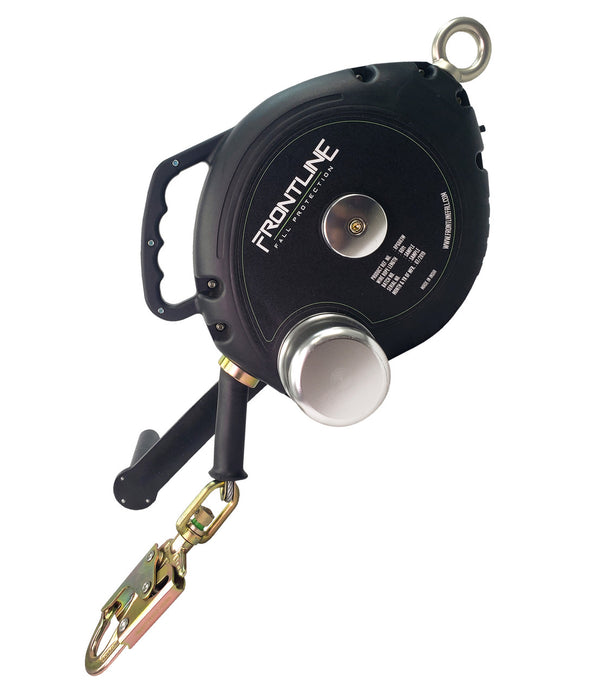
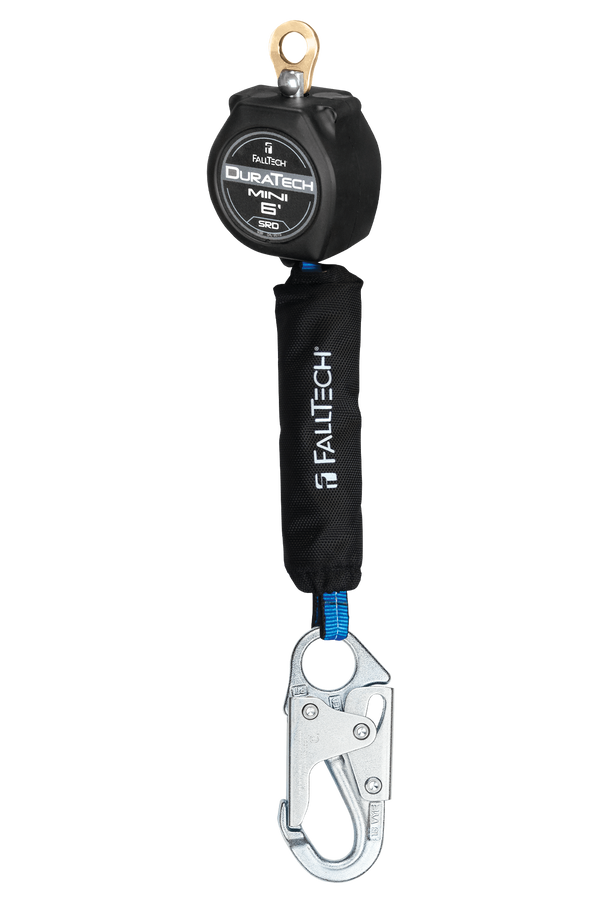
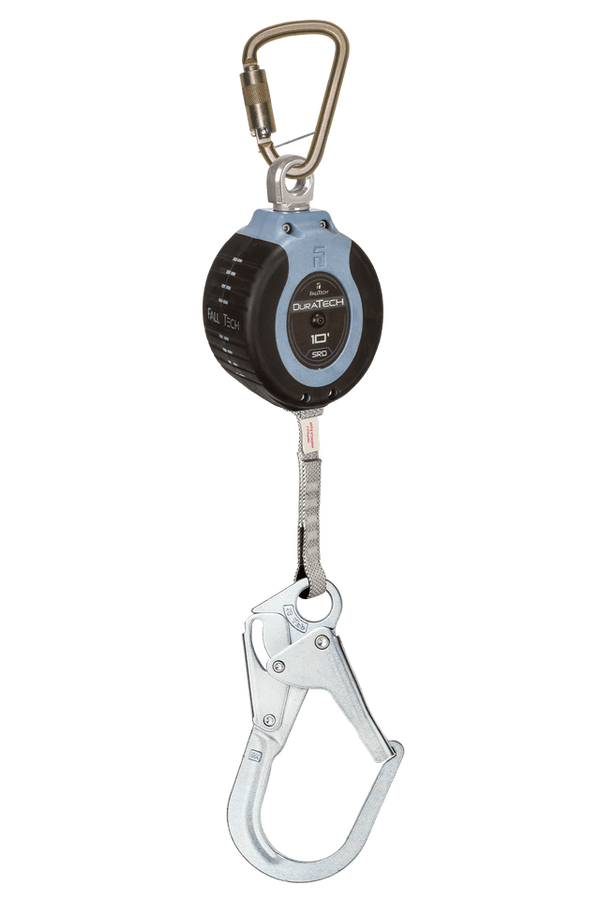
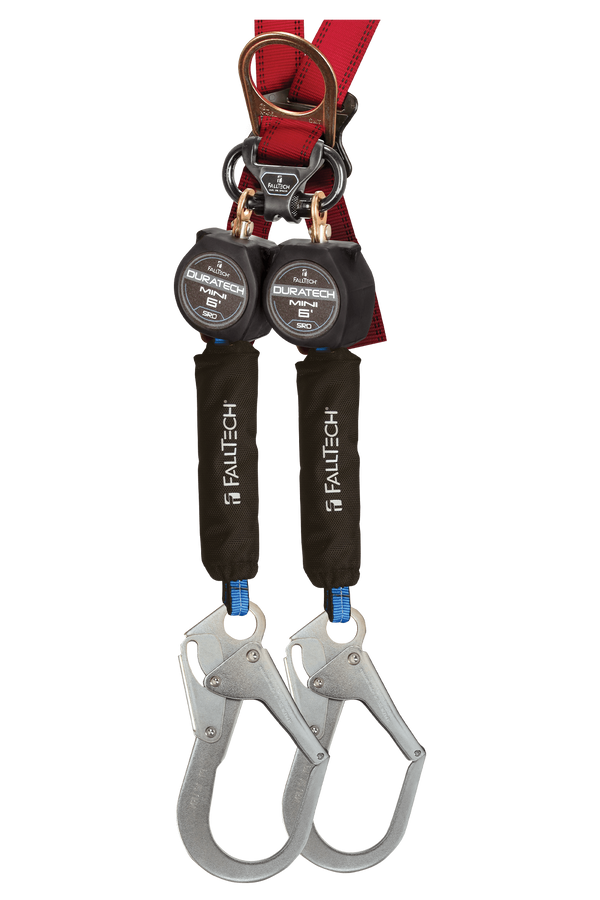
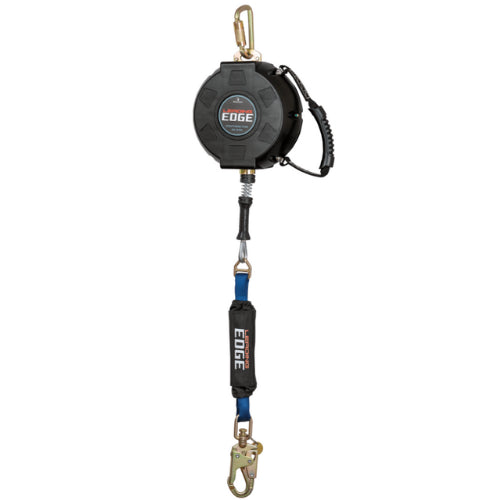
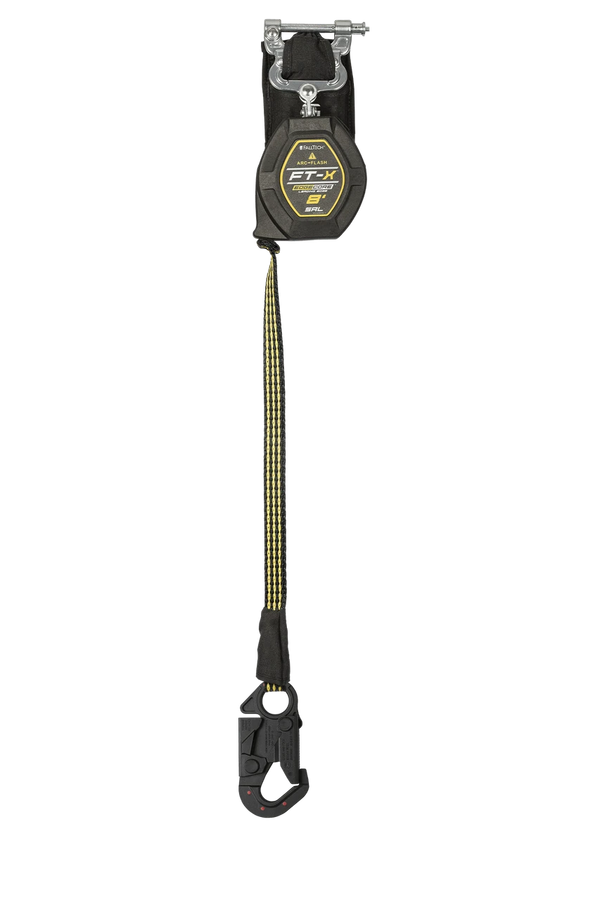
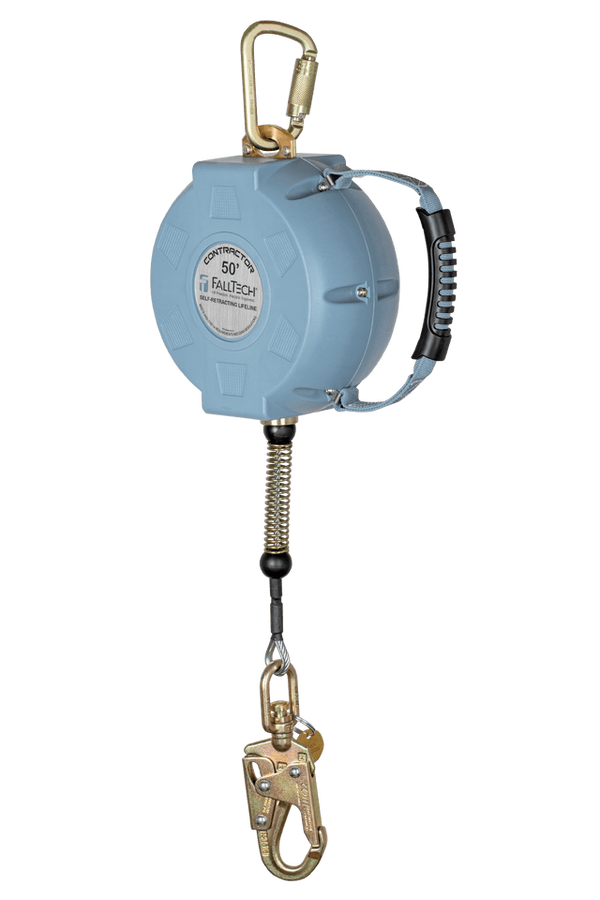
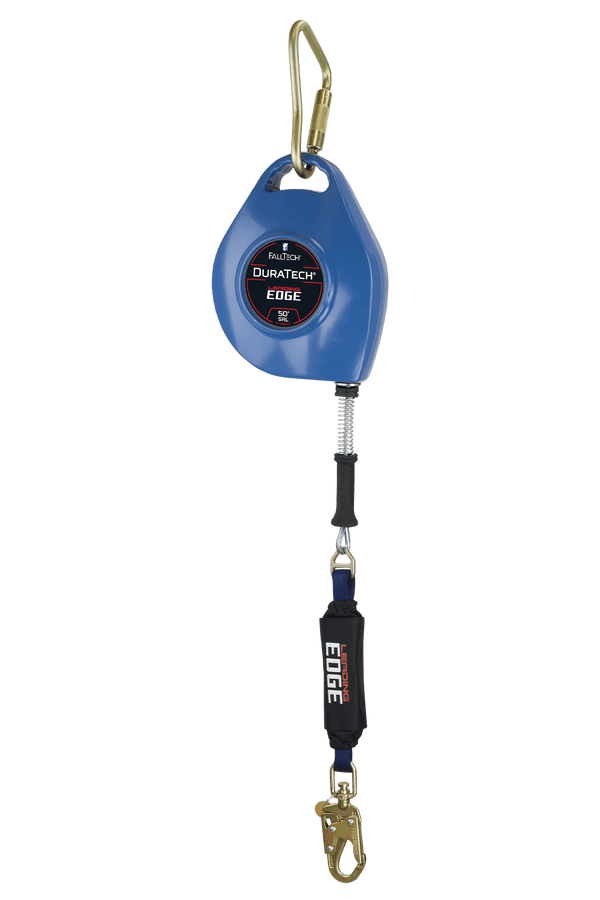
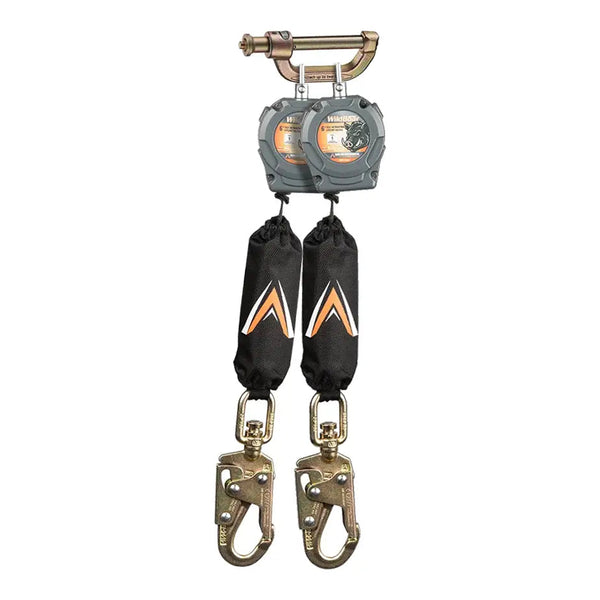
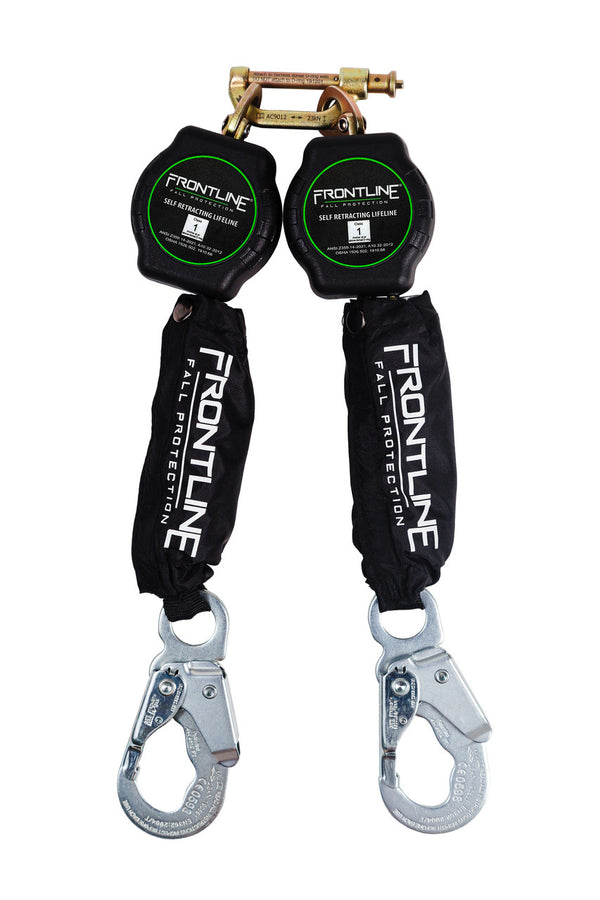
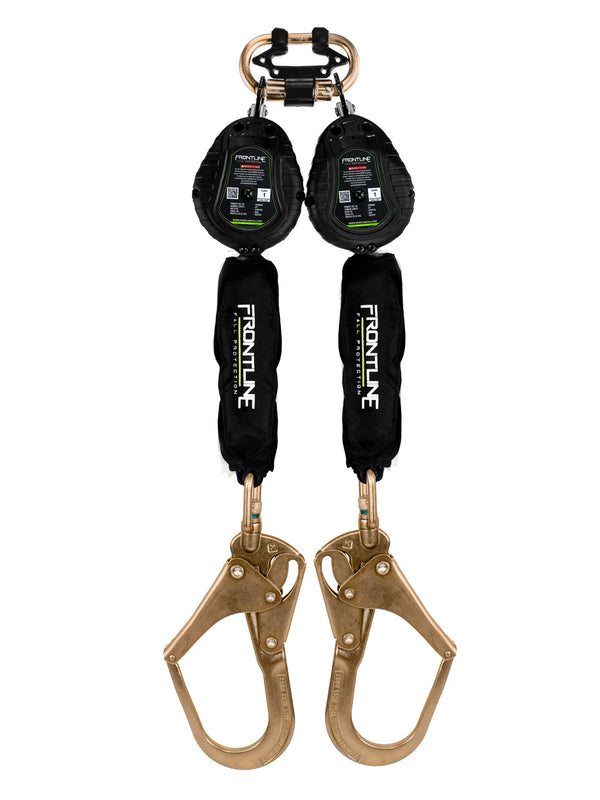
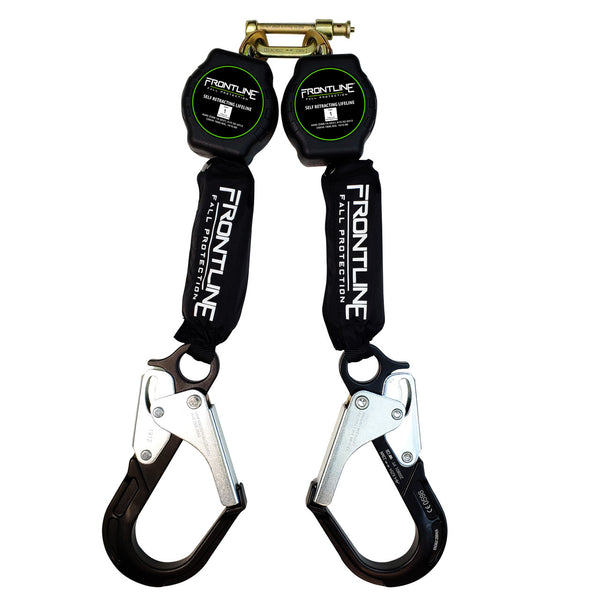
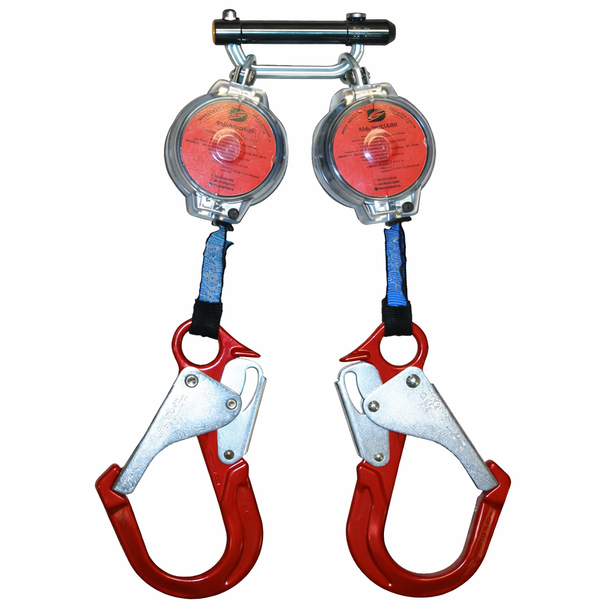
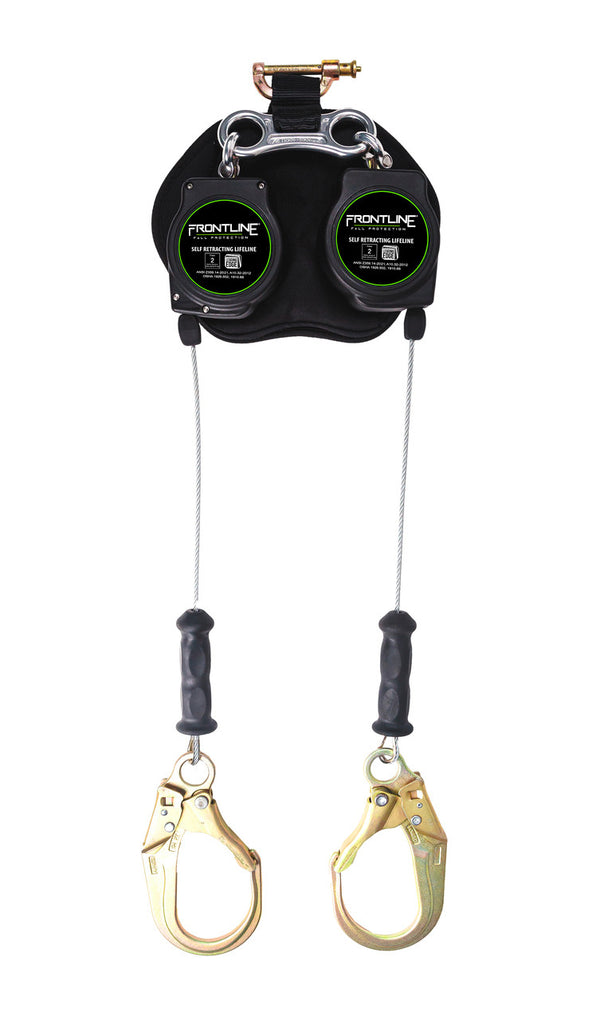
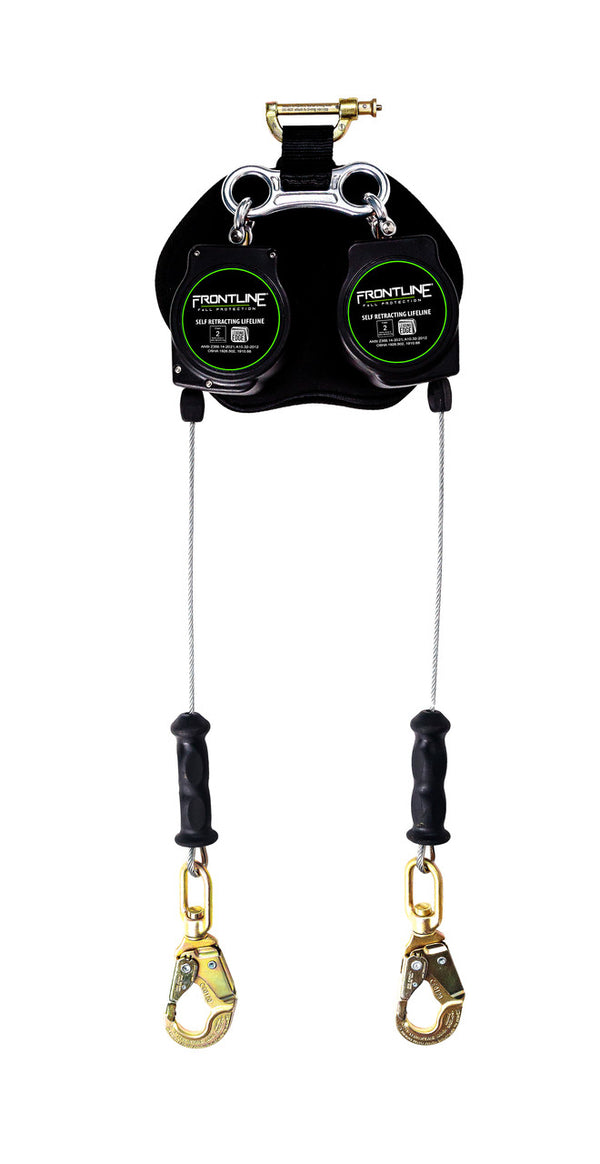
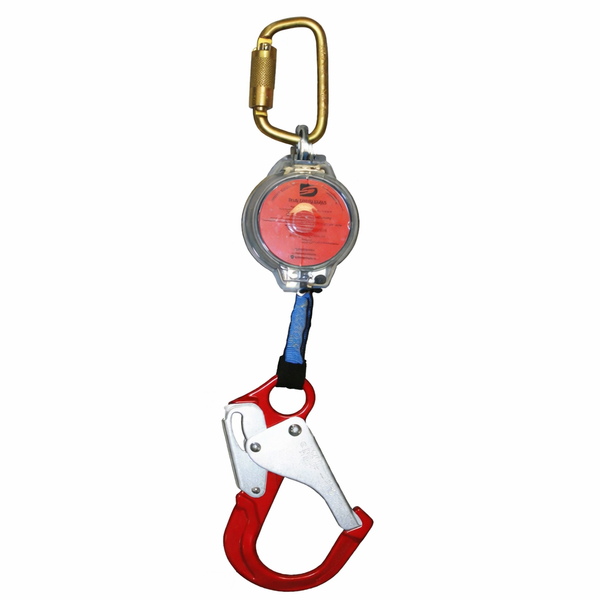
Browse SRLs — or complete the system
SELF-RETRACTING DEVICES & THE GEAR AROUND THEM


Choosing the right SRL
LEADING-EDGE (SRL-LE)
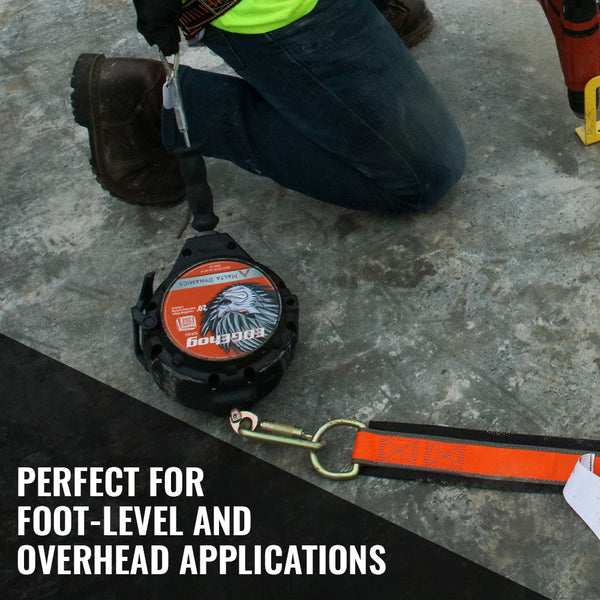
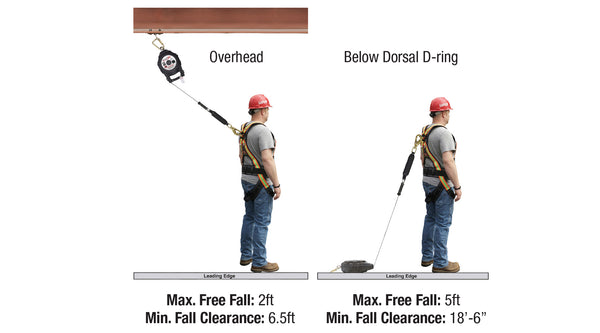
A standard SRL is designed for overhead anchorage. If the lifeline can run over a sharp or foot-level edge — roofing, steel, leading-edge work — you need a leading-edge (SRL-LE) rated unit built to survive edge contact and the longer fall it allows.
SINGLE-LEG VS TWIN-LEG
A single-leg SRL ties off to one anchor. A twin-leg (dual) SRL lets a worker move across a structure with 100% tie-off, alternating legs between anchors — the standard for steel erection and connecting.
CABLE, WEB & LENGTH
Web SRLs are light and personal-mounted; galvanized cable resists abrasion and edges for longer-length and overhead use. Match length, hook type and capacity to the job — every SRL lists its CSA Z259.2.2 / ANSI Z359.14 rating and class.
Self-retracting devices & lifelines for Canadian jobsites
A self-retracting device (SRD) — also called a self-retracting lifeline (SRL), retractable lanyard or fall-arrest block — pays out and retracts like a seatbelt and locks instantly on a fall. Because it keeps the line taut, an SRL dramatically shortens free-fall distance compared with a shock-absorbing lanyard, which makes it the right choice when fall clearance is limited or the worker needs to move freely. Fall Protection Canada stocks CSA Z259.2.2 SRLs in single-leg and twin-leg (100% tie-off) configurations, in web and galvanized cable, including leading-edge (SRL-LE) and 3-way retrieval rescue units, from the brands Canadian crews ask for: FallTech, Frontline, Malta Dynamics and Safety Direct — all shipped from Paris, Ontario in CAD.
An SRL is one part of a connected fall arrest system. It attaches to the dorsal D-ring of a full-body harness and ties off to a rated anchor — a roof anchor, beam anchor or horizontal/vertical lifeline. Browse the full PPE range (harnesses, lanyards, SRLs, lifelines and connectors), grab a complete kit, or read our Canadian fall protection equipment guide. Buying for a crew or unsure which SRL fits your clearance? Call 437-475-2066 for a 24-hour quote.
SRL compliance & inspection guides
CSA Z259 · ANSI Z359 · PROVINCIAL OHS
- INSPECTION
How to Inspect Your Fall Protection Equipment: A Canadian Field Guide
Pre-use and periodic inspection steps for SRLs, harnesses and lanyards — including SRL lock and retraction checks — mapped to Canadian requirements.
- COMPLIANCE
CSA vs ANSI Fall Protection Standards in Canada: What's Actually Legal by Province
When ANSI Z359.14-labelled SRLs are accepted and when CSA Z259.2.2 is mandatory — province by province.
- EQUIPMENT
Canadian Fall Protection Equipment Guide 2026
The complete buyer's guide to anchors, harnesses, lanyards, SRLs and kits for Canadian jobsites.
SRLs & SRDs ship to every province — compliance guidance for Ontario, Quebec, Alberta, BC, Manitoba, Saskatchewan, Nova Scotia and Newfoundland & Labrador.
SRLs & SRDs — common questions
ANSWERS YOU CAN CITE
01SRL, SRD or retractable lanyard — what's the difference?
They're largely the same device under different names. "Self-retracting device (SRD)" is the umbrella term in the standards; "self-retracting lifeline (SRL)" is the common name; "retractable lanyard," "fall-arrest block" or "yo-yo" are jobsite slang. All pay out and retract automatically and lock on a sudden fall. In Canada they're certified to CSA Z259.2.2 (and often ANSI Z359.14). Shorter personal SRLs are sometimes called SRL-P; leading-edge units SRL-LE.
02What is a leading-edge (SRL-LE) and when do I need one?
A leading-edge SRL is built and tested for situations where the lifeline could run over a sharp or unprotected edge, or where the anchor is at foot level rather than overhead — common in roofing, decking and steel. It has an integrated energy absorber and an edge-resistant lifeline to handle the longer fall and the cutting hazard. If your anchorage is below the worker's dorsal D-ring or the line can contact an edge, use an SRL-LE rated unit, not a standard overhead SRL.
03SRL or shock-absorbing lanyard — which should I use?
An SRL keeps the line taut and locks early, so it produces a much shorter free fall and needs less clearance than a 6 ft shock-absorbing lanyard — choose an SRL when clearance is limited or the worker needs to move toward and away from the anchor. A lanyard is simpler and economical where there's ample clearance and the worker stays near the anchor. Always confirm the required clearance on the manufacturer's chart.
04Do SRLs need inspection or recertification?
Yes. Inspect an SRL before every use — check that the lifeline pays out and retracts smoothly, that it locks when pulled sharply, and that the housing, hook and load indicator are undamaged. Remove it from service immediately after it arrests a fall or if it fails inspection. Many manufacturers also require periodic factory inspection/recertification at set intervals; follow the manufacturer's instructions and your provincial OHS requirements. Our field inspection guide covers the SRL checks.