
SCROLL
RESCUE & DESCENT · WRITTEN RESCUE PLAN · CSA / ANSI
Fall Protection Rescue & Descent Kits in Canada
The equipment side of your rescue plan: self-rescue descent kits, assisted-rescue block-and-tackle systems, confined-space tripods with recovery winches, and 3-way retrieval SRLs. A fall-arrested worker has to be rescued fast — these kits make that possible. Stocked in Paris, Ontario and priced in CAD, with each kit's certification stated plainly.
Quick answerCanadian OHS rules require a written rescue plan and the means to carry it out wherever workers use fall arrest — a suspended worker must be rescued promptly to avoid suspension trauma. Rescue and descent kits provide the equipment side of that plan.
- Self-rescue descent
- Assisted rescue
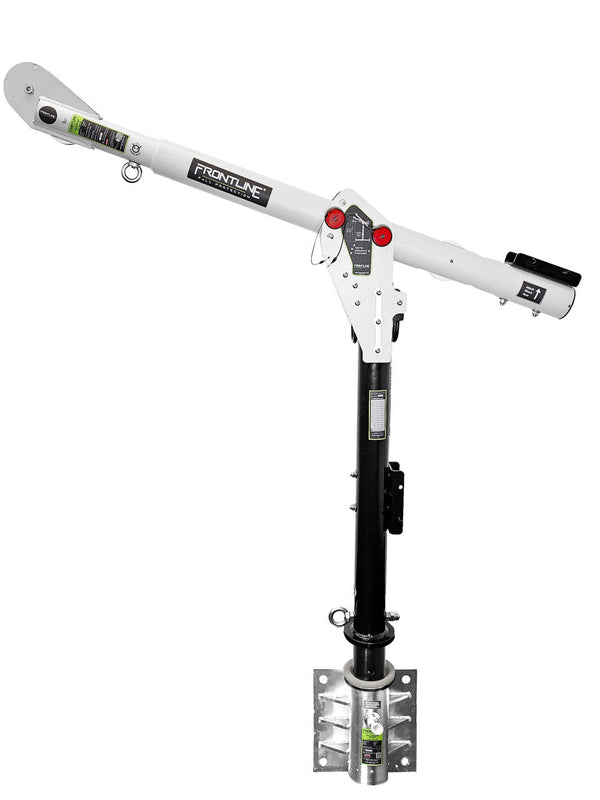
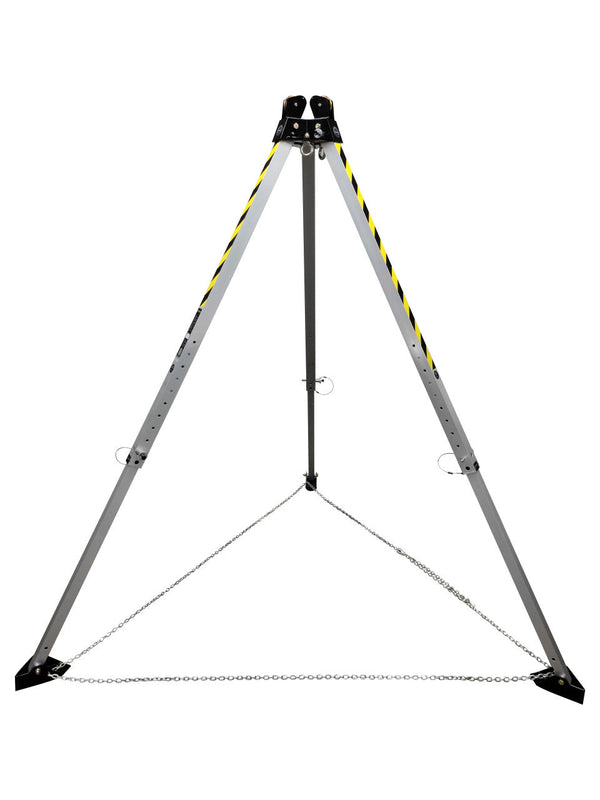
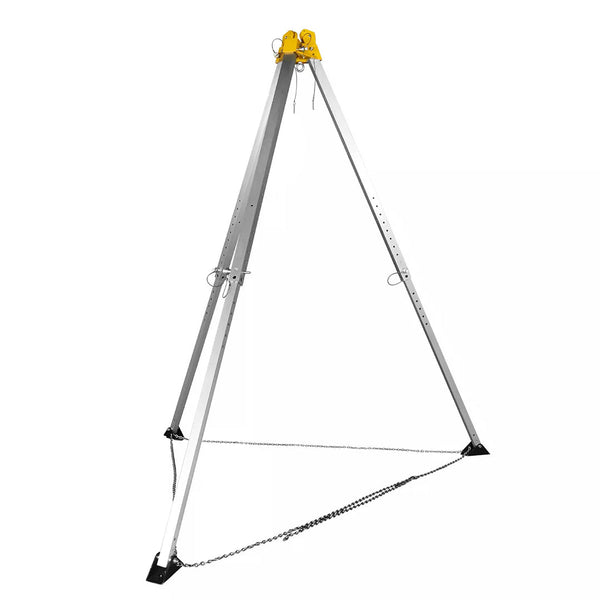
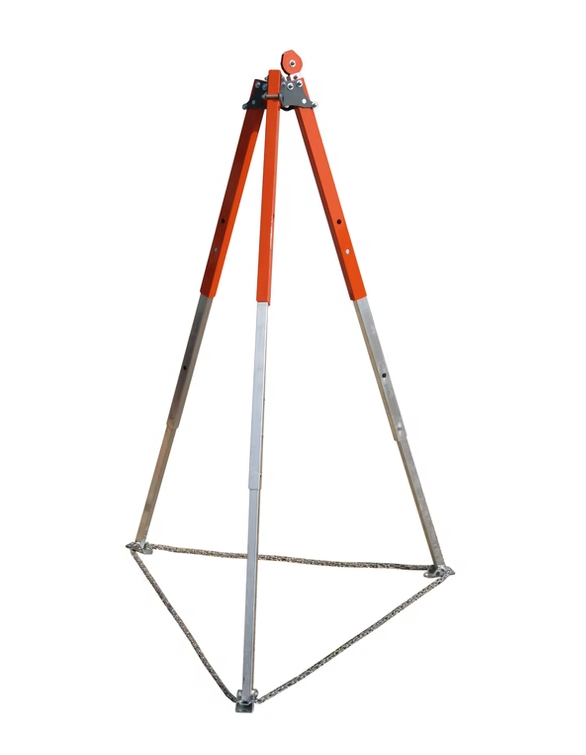
- Confined-space tripods
- Recovery SRLs
- Ships from Paris, ON
Shop Rescue & Descent Kits
LIVE INVENTORY · CAD PRICING · ADD TO CART
Complete your rescue plan
RESCUE WORKS WITH THE REST OF THE SYSTEM
-
KITS
 Fall protection kitsRoofing, PFAS and contractor kits for the arrest side.Shop kits →
-
BODY WEAR
 HarnessesRescue connects to the worker's harness D-rings.Shop harnesses →
-
RETRIEVAL
 SRLs3-way retrieval SRLs combine fall arrest with rescue.Shop SRLs →
-
TIE-OFF
 AnchorsRescue and descent gear ties off to rated anchors.Shop roof anchors →
-
ALL PPE
 Browse all PPEHarnesses, lanyards, SRLs, lifelines and connectors.Shop PPE →
-
GUIDE
 Rescue-plan rulesEmployer duties and the written rescue-plan requirement.Read the guide →
Planning for rescue
A WRITTEN PLAN IS REQUIRED
Canadian OHS regulations require employers to have a written rescue plan — and the equipment and trained people to carry it out — wherever workers are exposed to fall hazards using fall arrest. Rescue can't be an afterthought.
MINUTES MATTER
A worker left hanging in a harness can develop suspension trauma (orthostatic intolerance) in minutes. Prompt rescue — not waiting on emergency services — is what the plan and these kits are for.
SELF-RESCUE VS ASSISTED
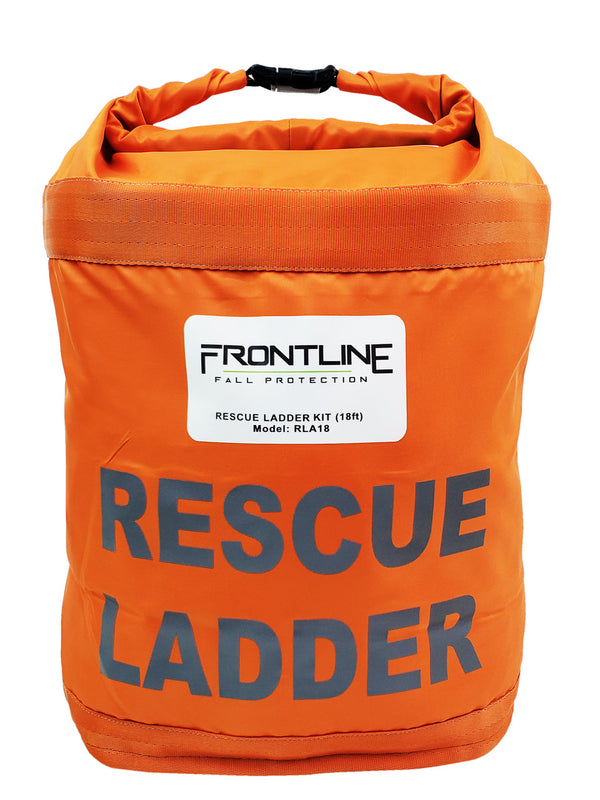
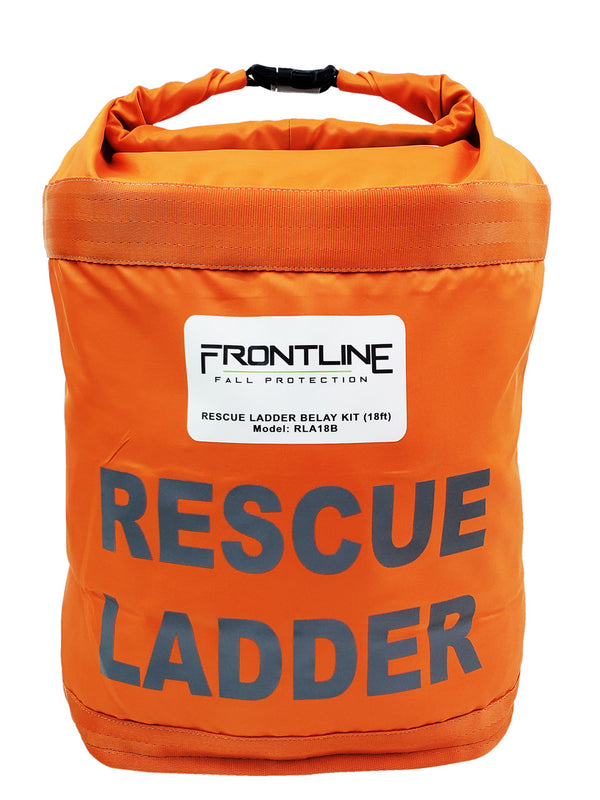
Self-rescue descent kits let the worker lower themselves; assisted systems (block-and-tackle, tripod + winch, 3-way SRL) let a co-worker raise or lower a casualty. Match the method to the work and the site.
Rescue & descent equipment for Canadian jobsites
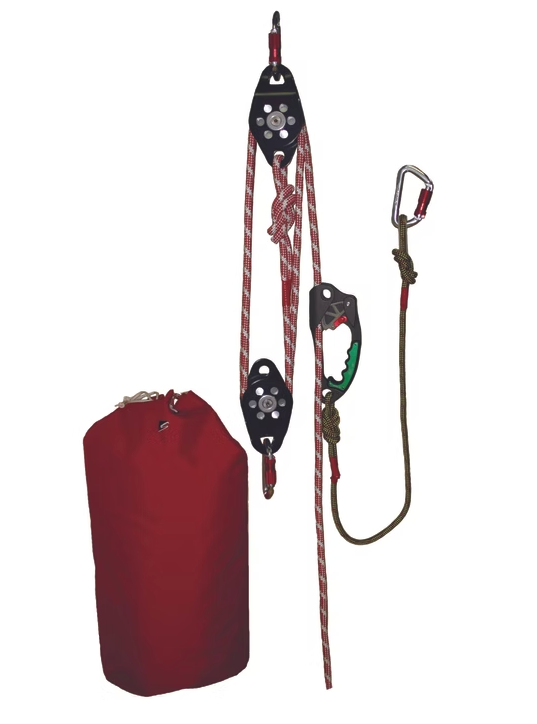
Fall arrest stops the fall — rescue gets the worker down. Canadian OHS rules require a written rescue plan and the means to execute it, because a worker suspended in a harness can suffer suspension trauma within minutes. Fall Protection Canada stocks rescue and descent kits: self-rescue descent devices, 4:1 block-and-tackle rescue systems, confined-space tripods with recovery winches, and 3-way retrieval SRLs — all shipped from Paris, Ontario in CAD.
Rescue gear works with the rest of the system: it connects to a worker's harness and ties off to rated anchors, and a 3-way retrieval SRL can combine fall arrest and rescue in one unit. Pair it with a complete kit for the arrest side, browse the full PPE range, or read our employer requirements guide. Building a rescue program for a crew? Call 437-475-2066 for a 24-hour quote.
| Method | How it works | Best for |
|---|---|---|
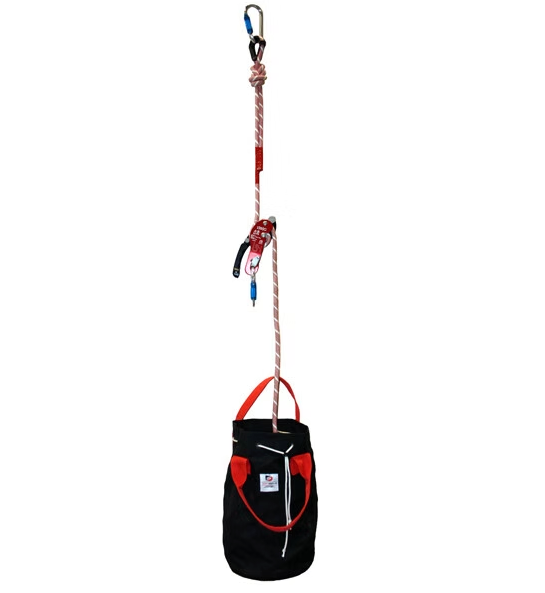
| Self-rescue descent | Worker lowers themselves to the ground with a controlled descent device | Solo work; quick egress |
| Block & tackle (assisted) | Co-worker raises or lowers a casualty with mechanical advantage | Roofing & general construction |
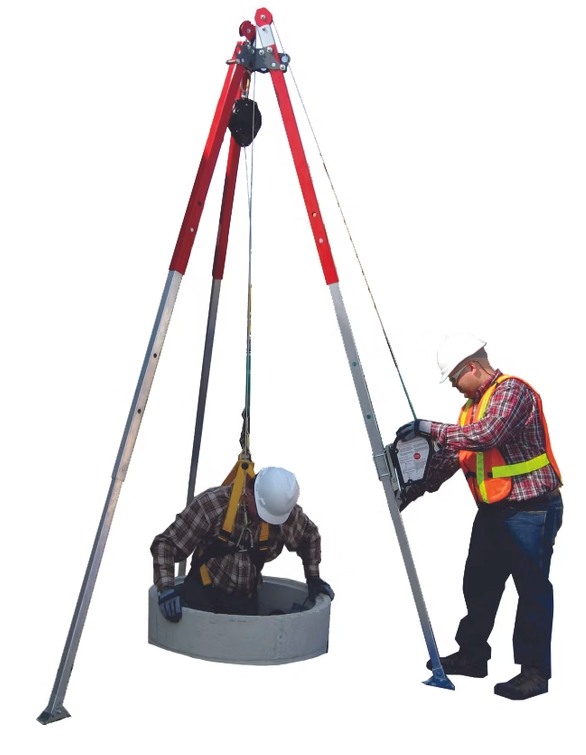
| Confined-space tripod + winch | Tripod over an opening with a recovery winch to retrieve a worker | Vaults, tanks, confined spaces |
| 3-way retrieval SRL | SRL with built-in retrieval to raise/lower after a fall | Combined fall arrest + rescue |
Rescue compliance & inspection guides
CSA Z259 · ANSI Z359 · PROVINCIAL OHS
- REGULATIONS
Fall Protection Requirements in Canada: What Every Employer Needs to Know
Employer duties, height thresholds, training and the written rescue-plan requirement across provincial OHS regimes.
- INSPECTION
How to Inspect Your Fall Protection Equipment: A Canadian Field Guide
Pre-use and periodic inspection steps for rescue gear, harnesses, lanyards and SRLs.
- EQUIPMENT
Canadian Fall Protection Equipment Guide 2026
The complete buyer's guide to anchors, harnesses, lanyards, SRLs, kits and rescue gear.
Rescue kits ship to every province — compliance guidance for Ontario, Quebec, Alberta, BC, Manitoba, Saskatchewan, Nova Scotia and Newfoundland & Labrador.
Rescue & descent — common questions
ANSWERS YOU CAN CITE
01Do I need a rescue plan?
Yes. Canadian OHS regulations require employers to have a written rescue plan — and the equipment and trained people to carry it out — wherever workers are exposed to fall hazards and use fall arrest. The plan has to allow for prompt rescue, not simply calling 911 and waiting. Our employer requirements guide covers the duties in detail.
02What is suspension trauma and why does rescue speed matter?
Suspension trauma (orthostatic intolerance) happens when a worker hangs motionless in a harness: the leg straps restrict blood flow, blood pools in the legs, and the worker can lose consciousness — sometimes within minutes. That's why a rescue plan must enable prompt retrieval, and why rescue and descent kits are kept on site rather than relying on outside responders alone.
03What's the difference between self-rescue and assisted rescue?
Self-rescue lets the fallen worker lower themselves to safety with a controlled descent device. Assisted rescue uses a co-worker and equipment — a block-and-tackle system, a confined-space tripod with a recovery winch, or a 3-way retrieval SRL — to raise or lower a casualty who can't self-rescue. The right choice depends on the work, the site and how the worker might end up suspended.
04What's in a rescue or descent kit?
It varies by type: a self-rescue descent kit includes a descent device and a length of rope with connectors; a block-and-tackle system includes pulleys and rope for mechanical advantage; a confined-space kit includes a tripod and a recovery winch. Each product page lists exactly what's included and its certification — call 437-475-2066 if you need help matching a kit to your rescue plan.