
SCROLL
CONCRETE ANCHORS · CAST-IN & DRILL-IN · CSA / ANSI
Concrete Fall Protection Anchors in Canada
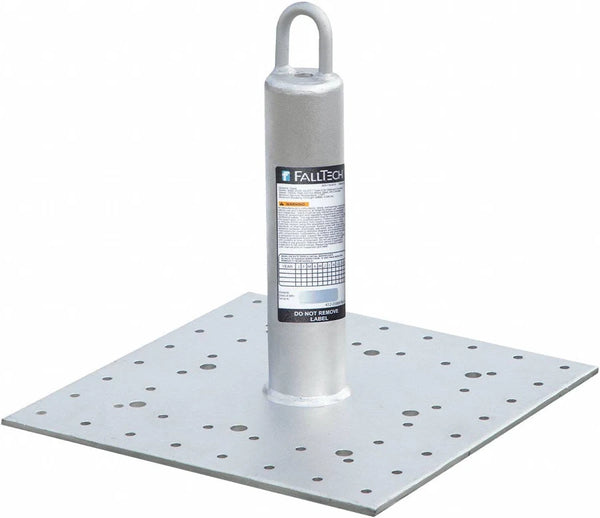
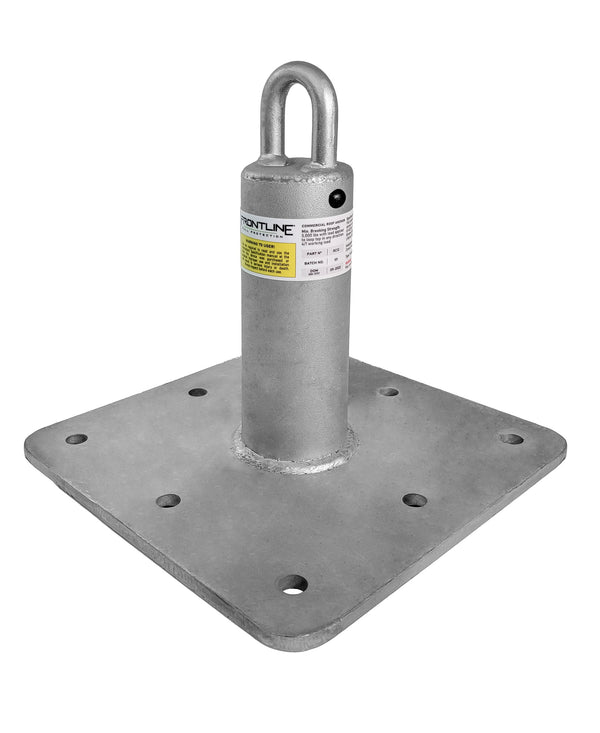
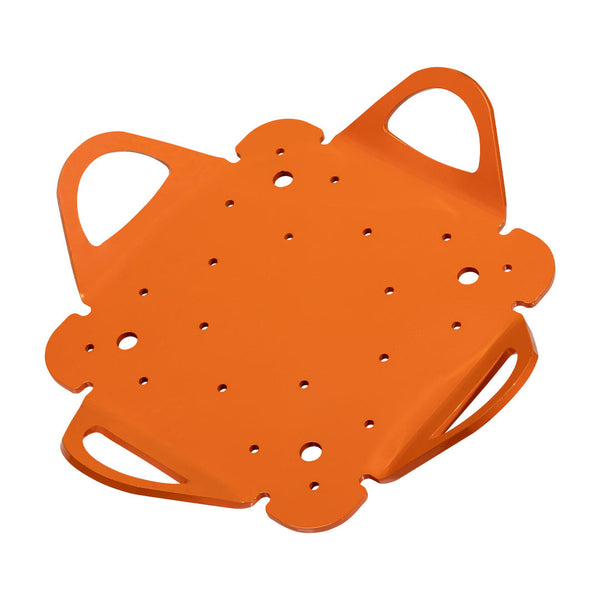
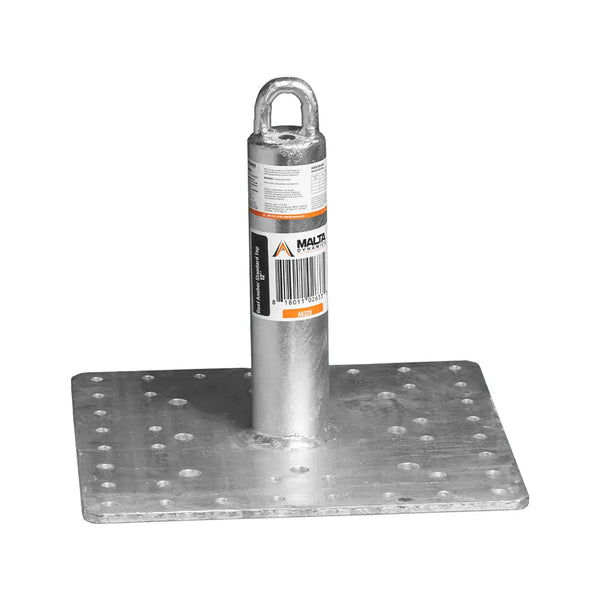
Tie-off anchors for concrete decks and structures — cast-in inserts and straps, drill-in mechanical anchors, D-ring straps and bolt-on swivel anchors for commercial roofs, parkades and formwork. Stocked in Paris, Ontario and priced in CAD — certification stated plainly.
Quick answerFor concrete decks, use a cast-in anchor set before the pour, or a drill-in mechanical anchor in cured concrete — sized to the concrete strength, embedment depth and edge distance (CSA / ANSI).
- Cast-in & drill-in
- Commercial & flat deck
- Swivel & D-ring
- CSA / ANSI
- Ships from Paris, ON
Shop Concrete Anchors
LIVE INVENTORY · CAD PRICING · ADD TO CART
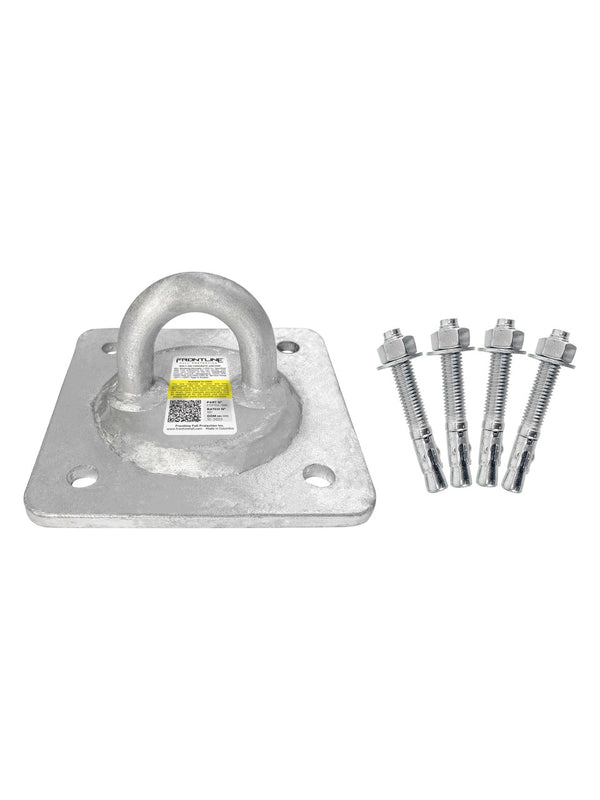
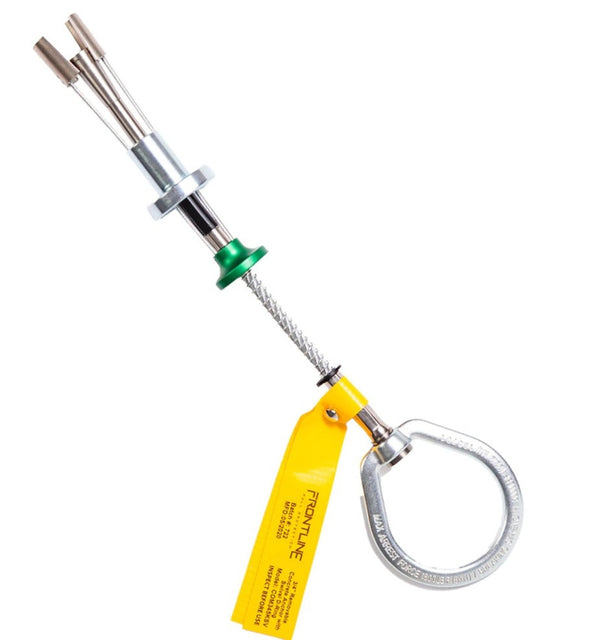
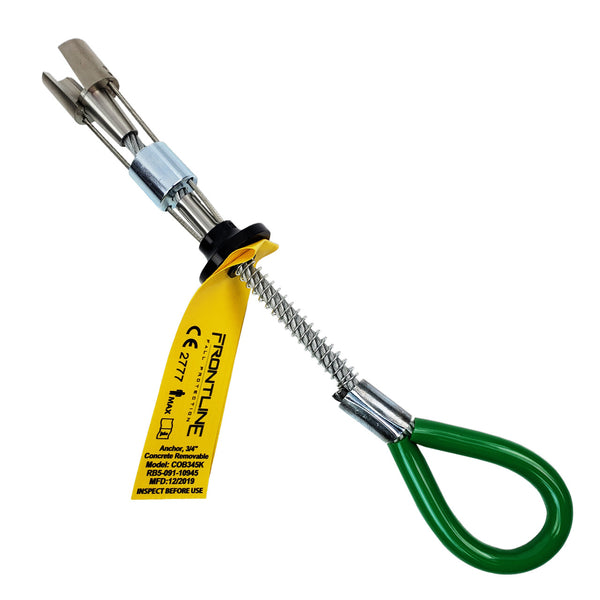
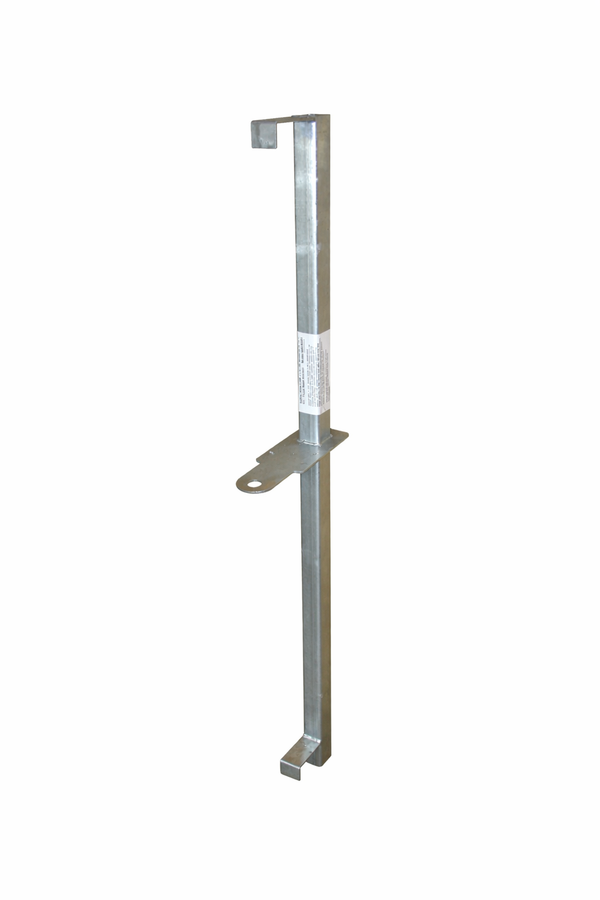
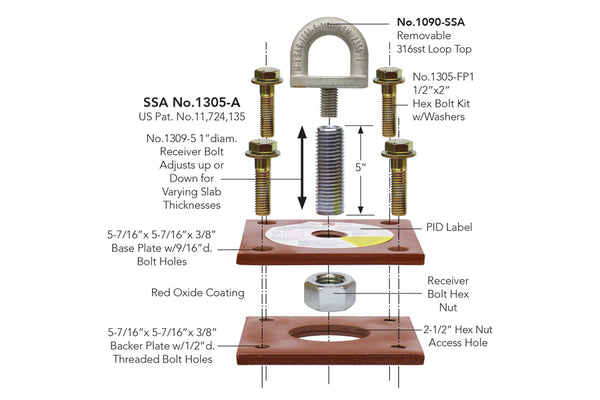
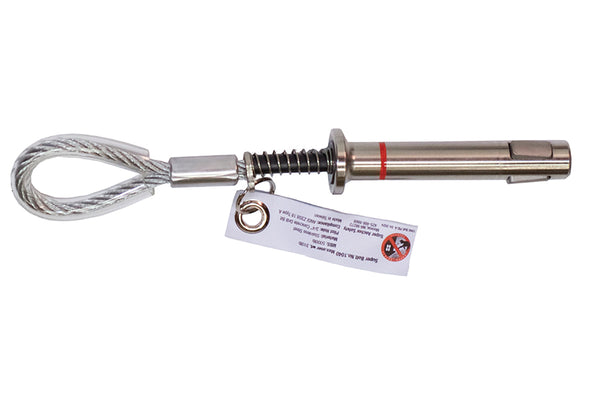
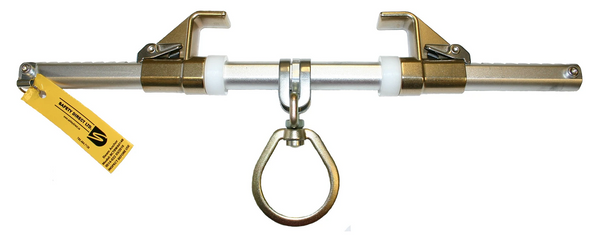
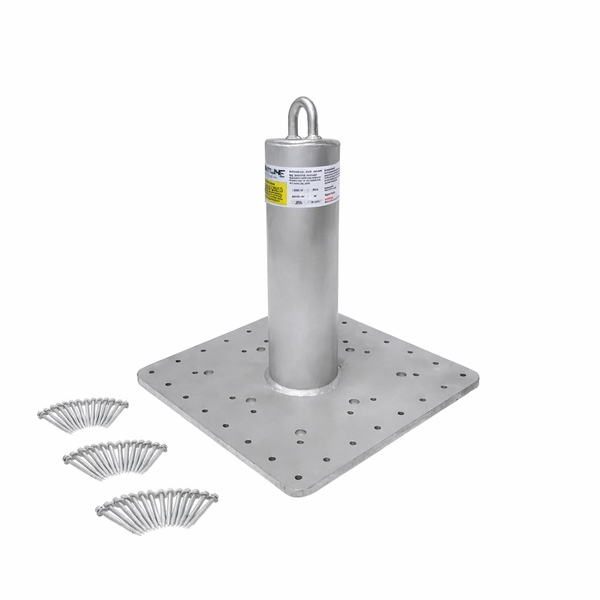
Other roof anchor types
MATCH THE ANCHOR TO THE DECK
- METAL
 Standing SeamNon-penetrating clamp-on for metal seams.Shop standing seam →
 - RESIDENTIAL
 Shingle & WoodReusable & permanent for residential re-roofs.Shop shingle anchors →
 - METAL
 R-Panel / Screw-DownScrew-down for exposed-fastener metal.Shop R-panel anchors →
 - COMMERCIAL
 ParapetCommercial parapet tie-off.Shop parapet anchors →
 - ALL ANCHORS
 All roof anchorsCompare every anchor type on one hub.Roof anchors hub →
 - DONE-FOR-YOU
 Complete kitsPair the anchor with a harness, lanyard or lifeline.Shop kits →
Choosing a concrete anchor
CAST-IN VS DRILL-IN
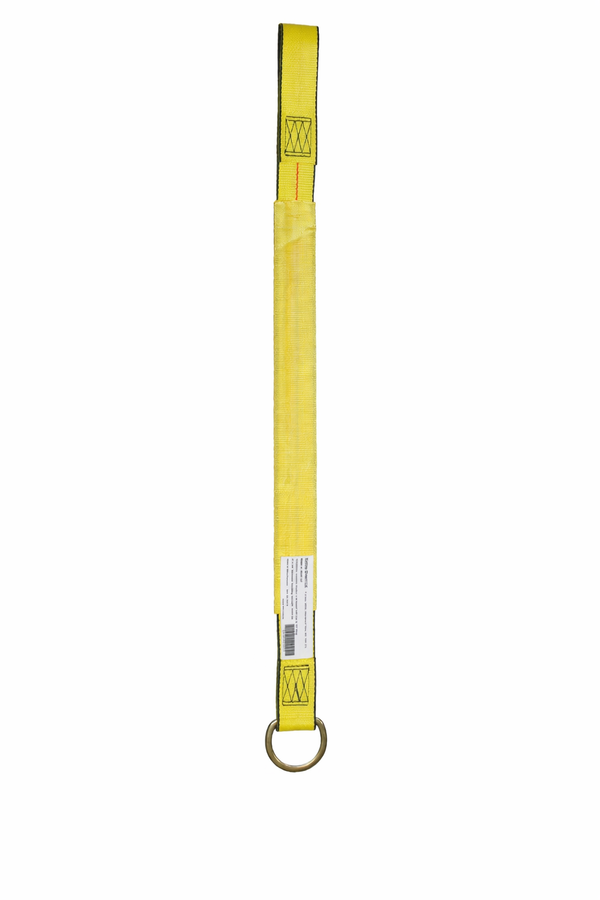
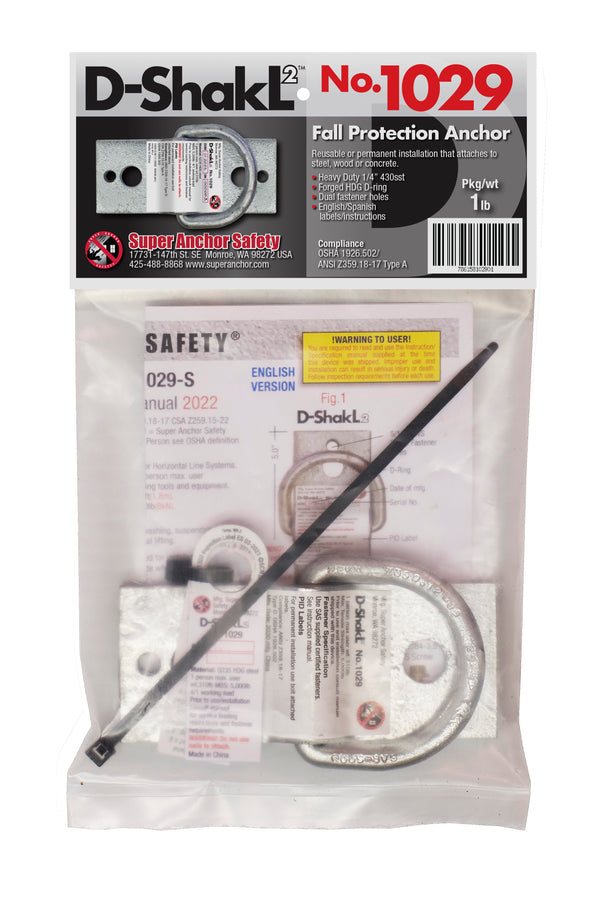
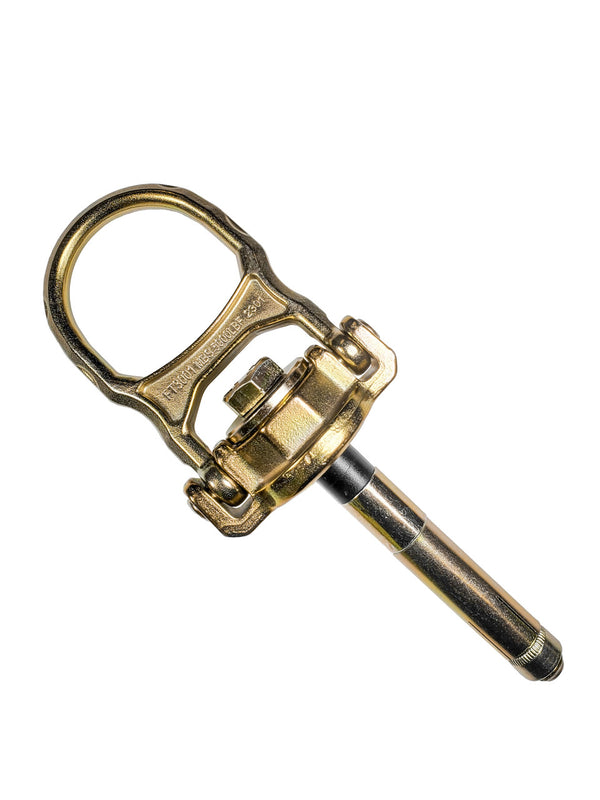
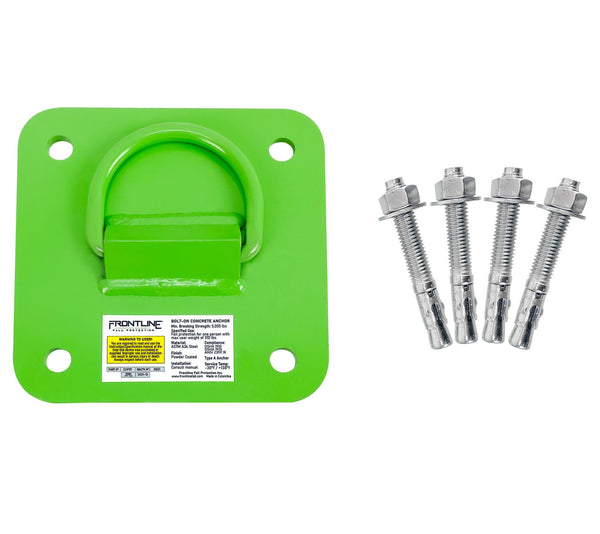
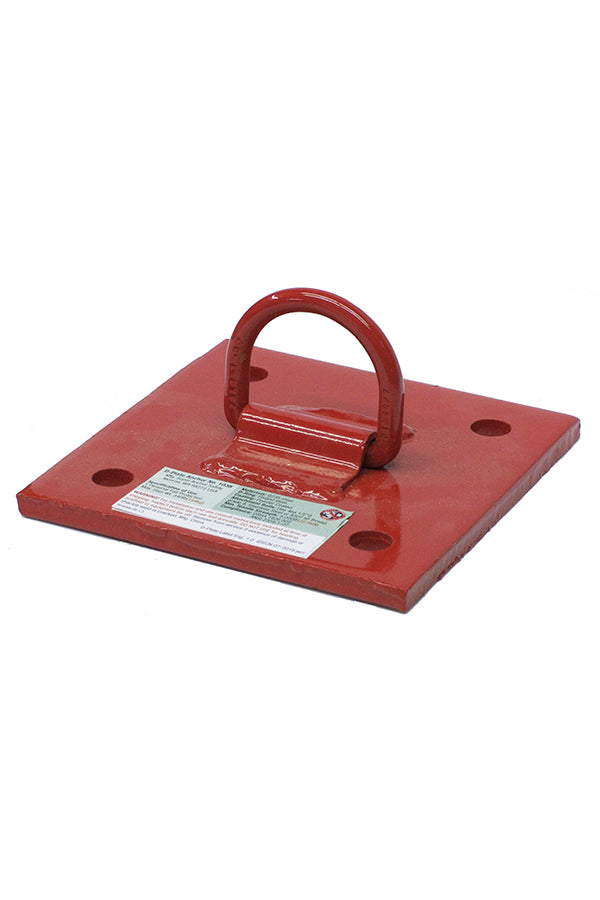
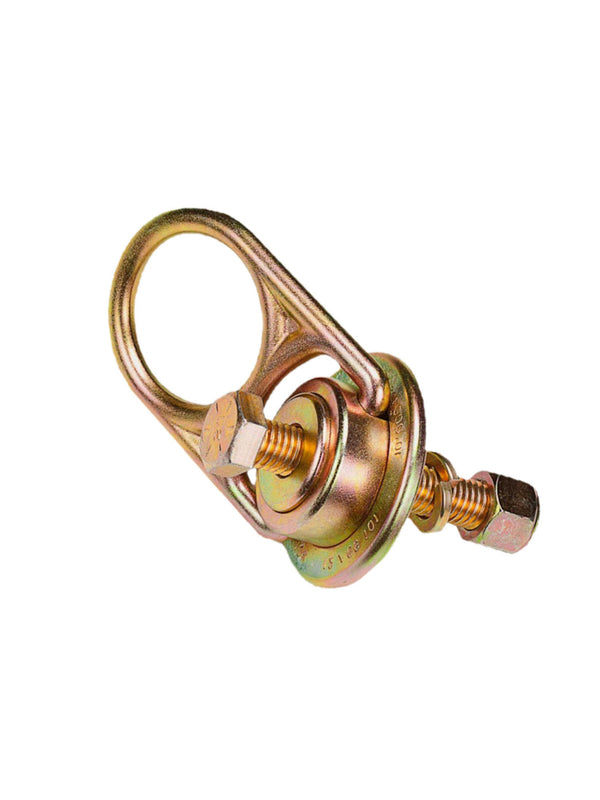
Cast-in anchors and straps are set before the pour for a permanent, flush tie-off; drill-in mechanical / expansion anchors install into cured concrete and can be permanent or removable depending on the type.
CHECK THE CONCRETE
Holding strength depends on concrete strength, embedment depth and edge distance. Follow the anchor's specs for minimum concrete strength and spacing, especially near slab edges and corners.
SWIVEL & D-RING POINTS
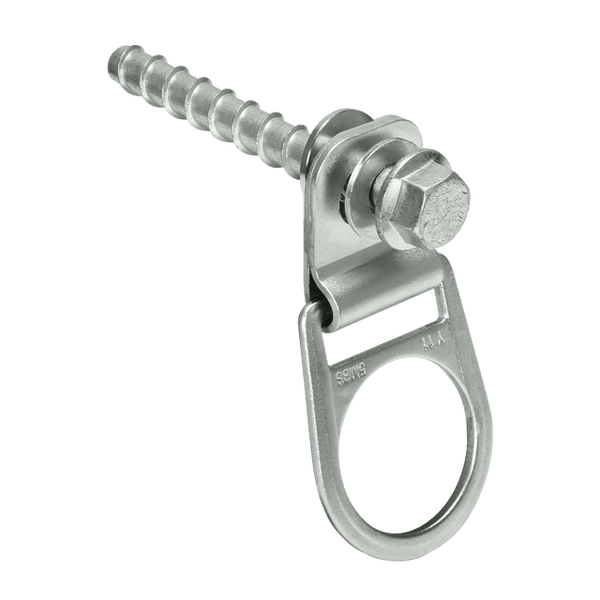
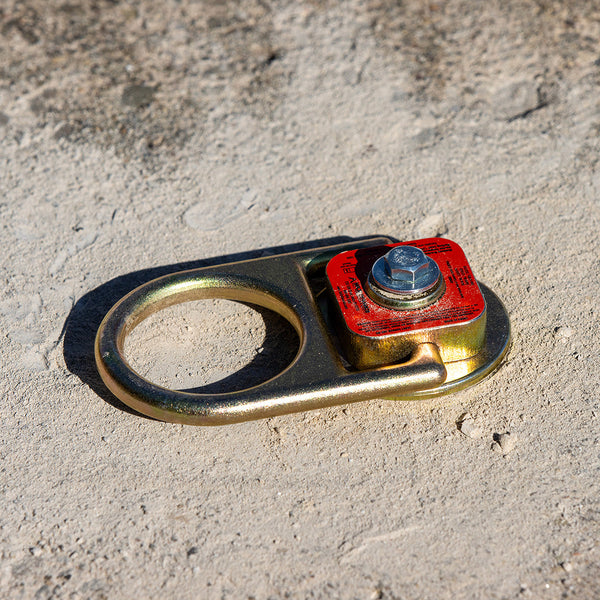
Bolt-on swivel anchors and D-ring straps give a rotating tie-off so a worker can move around the deck without the line tangling. Each product lists its actual CSA / ANSI rating.
Shop Concrete Anchors for Canadian jobsites
Concrete fall protection anchors give a rated tie-off on concrete decks and structures — commercial roofs, parkades, bridges and formwork. Fall Protection Canada stocks cast-in inserts and straps that are set before the pour, drill-in mechanical anchors for cured concrete, and bolt-on swivel anchors and D-ring straps — all shipped from Paris, Ontario in CAD.
Working on other surfaces? Use a non-penetrating standing seam or screw-down R-panel anchor on metal, or a shingle anchor on wood decks. A concrete anchor is one part of the fall arrest system — add a harness and a lanyard or SRL, or a complete kit. Call 437-475-2066 for a quote.
| Roof type | Recommended anchor | Penetrates the roof? |
|---|---|---|
| Standing seam metal | Non-penetrating clamp-on (standing seam) | No — clamps to the seam |
| Exposed-fastener metal (R-panel) | Screw-down R-panel anchor | Yes (sealed) |
| Asphalt shingle / wood | Reusable or permanent shingle anchor | Small holes, patched |
| Concrete deck | Cast-in or drill-in concrete anchor | Drill-in: yes; cast-in: embedded |
Anchor compliance & inspection guides
CSA Z259 · ANSI Z359 · PROVINCIAL OHS
- COMPLIANCE
CSA vs ANSI Fall Protection Standards in Canada: What's Actually Legal by Province
When ANSI-labelled anchors are accepted and when CSA is mandatory — province by province.
- EQUIPMENT
Canadian Fall Protection Equipment Guide 2026
The complete buyer's guide to anchors, harnesses, lanyards, SRLs and kits for Canadian jobsites.
- INSPECTION
How to Inspect Your Fall Protection Equipment: A Canadian Field Guide
Pre-use and periodic inspection steps for anchors, harnesses, lanyards and SRLs.
Anchors ship to every province — compliance guidance for Ontario, Quebec, Alberta, BC, Manitoba, Saskatchewan, Nova Scotia and Newfoundland & Labrador.
Shop Concrete Anchors — common questions
ANSWERS YOU CAN CITE
01What's the difference between cast-in and drill-in concrete anchors?
Cast-in anchors and straps are placed in the formwork and embedded when the concrete is poured, giving a permanent, flush tie-off. Drill-in (mechanical / expansion) anchors are installed into already-cured concrete by drilling and setting the anchor — some are permanent, some removable. Cast-in is planned ahead; drill-in is for existing concrete.
02Can I reuse a concrete anchor?
It depends on the type. Some bolt-on and removable drill-in anchors can be relocated and reused if they pass inspection; cast-in and many expansion anchors are permanent. Check the product page, and remove any anchor from service after a fall arrest.
03How strong does the concrete need to be?
Holding capacity depends on the concrete's compressive strength, the embedment depth and the distance to the nearest edge. Each anchor specifies a minimum concrete strength and spacing — follow it, and take extra care near slab edges and corners where capacity drops.
04Are your concrete anchors CSA-certified?
Each product page states its actual certification — CSA or ANSI. A CSA mark is a CSA certification; an ANSI marking alone is not. We state each rating plainly so you can match it to your provincial OHS rules.