
SCROLL
FALL PROTECTION PPE · CSA Z259 · ANSI Z359
Harnesses, Lanyards, SRLs & Lifelines in Canada
The body wear and connectors that complete a fall arrest system: CSA full-body harnesses (Z259.10), energy-absorbing lanyards (Z259.11), self-retracting lifelines (Z259.2.2), vertical & horizontal lifelines (Z259.2.1/.2.5) and connecting hardware (Z259.12). Stocked in Paris, Ontario and priced in CAD — each item lists its actual certification, stated plainly.
- CSA Z259 rated
- Ships from Paris, ON
- CAD — no duties
- Same-day dispatch
- Crew packs quoted
Shop Fall Protection PPE
LIVE INVENTORY · CAD PRICING · ADD TO CART
-
-
-
-
-
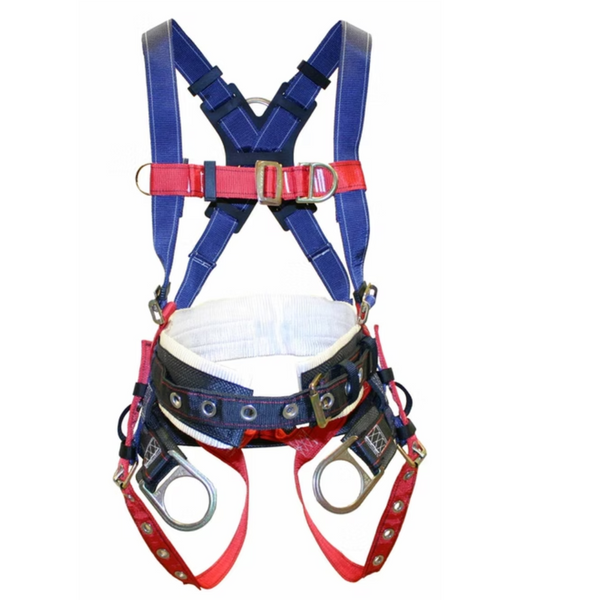
-
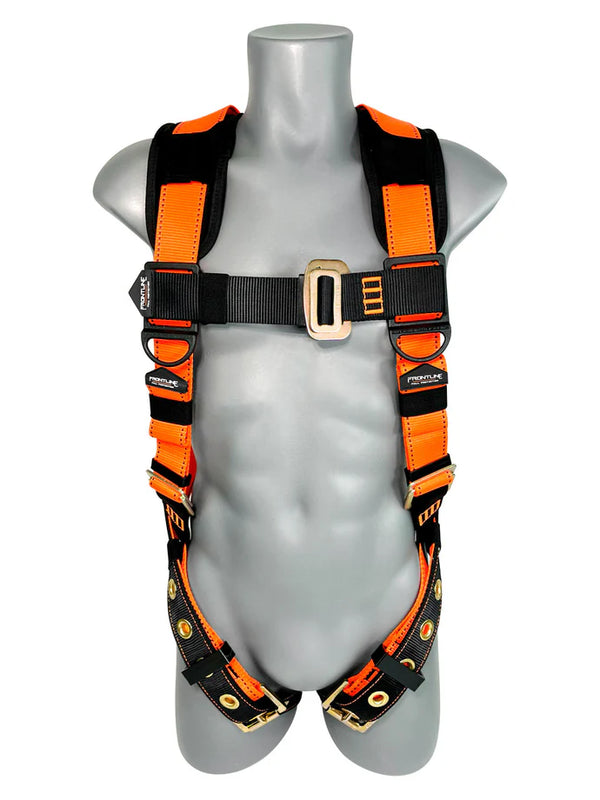
-
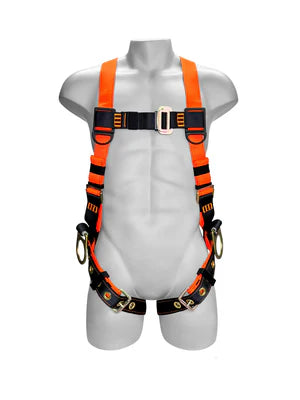
-
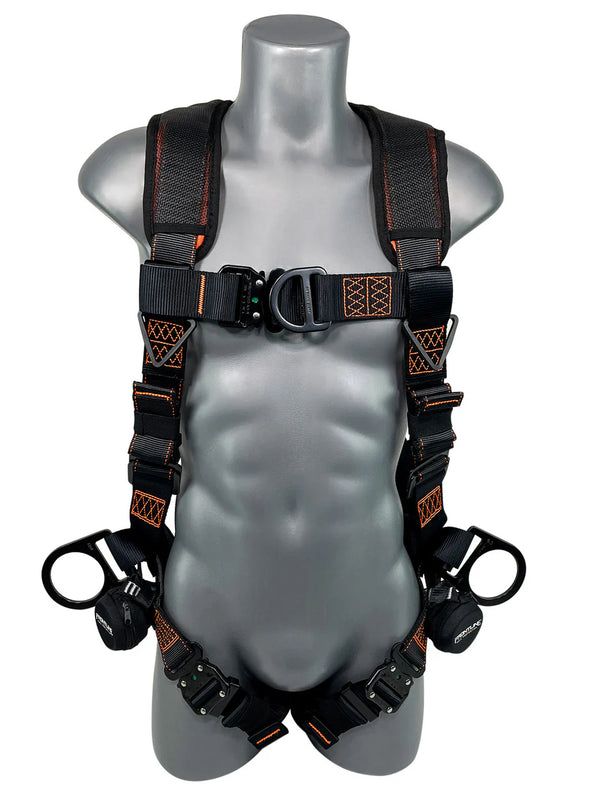
-
SALE 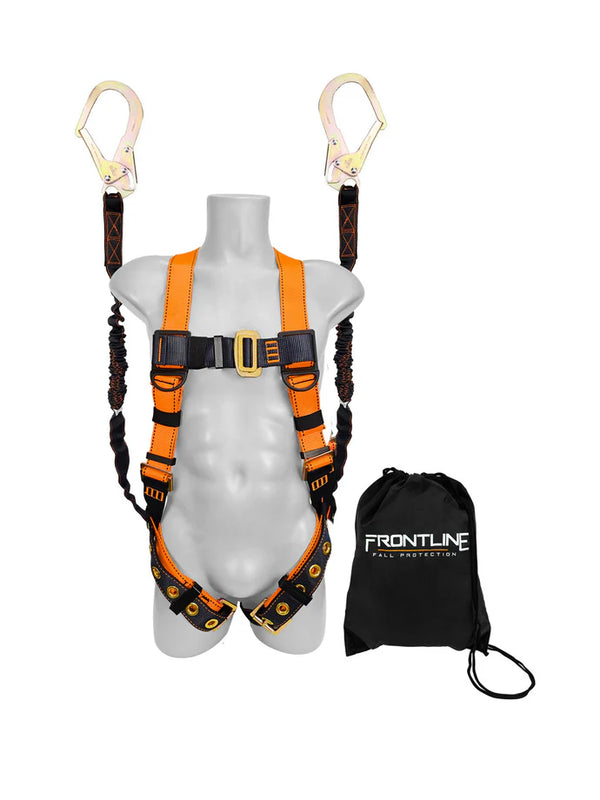
-
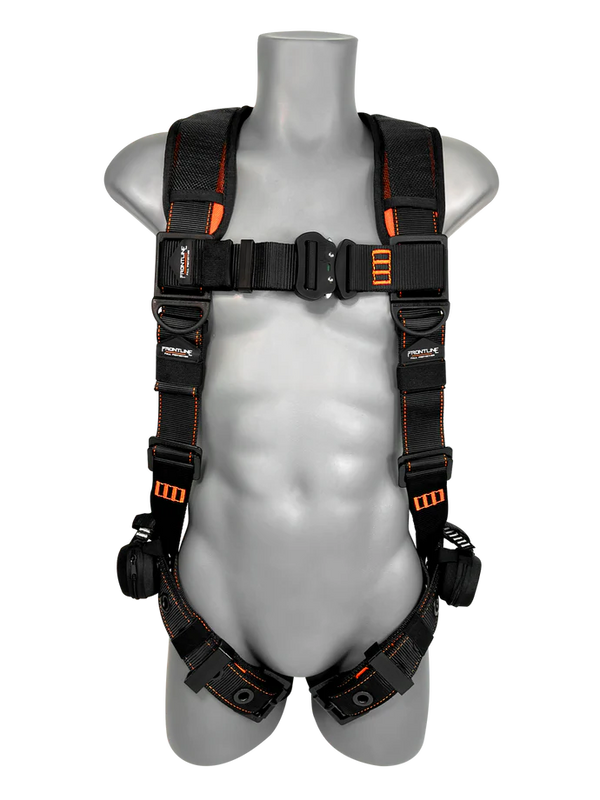
-
SALE 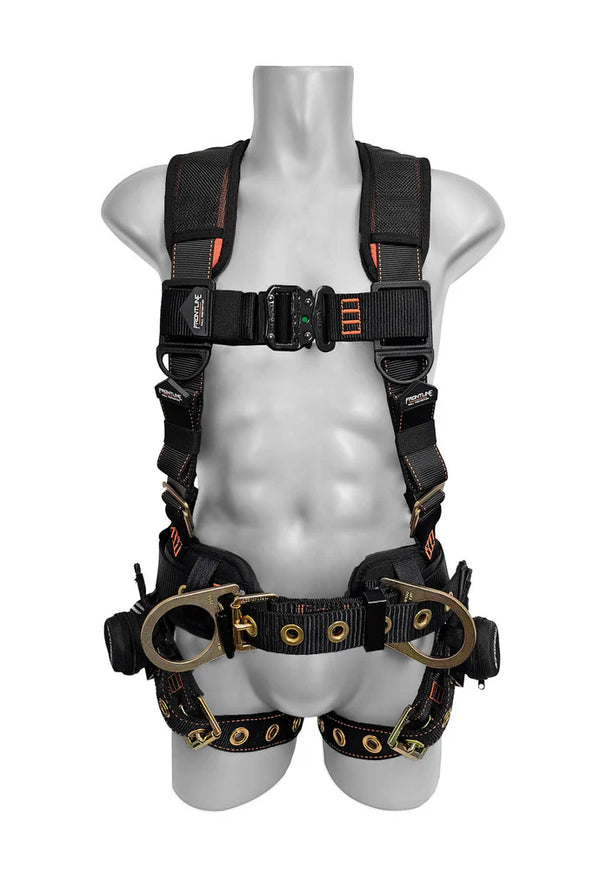 Fall Protection Canada
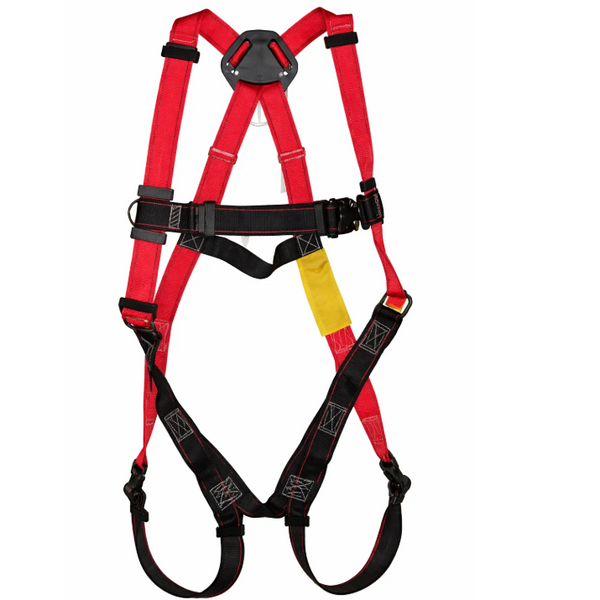
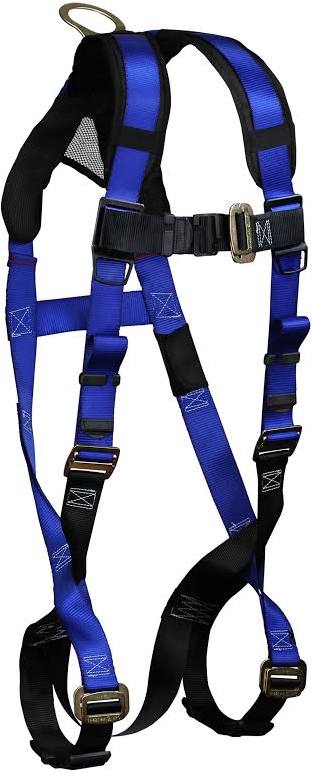
Frontline 100CTB Combat™ Construction Full Body Harness w...
$299.00$275.00Options -
SALE 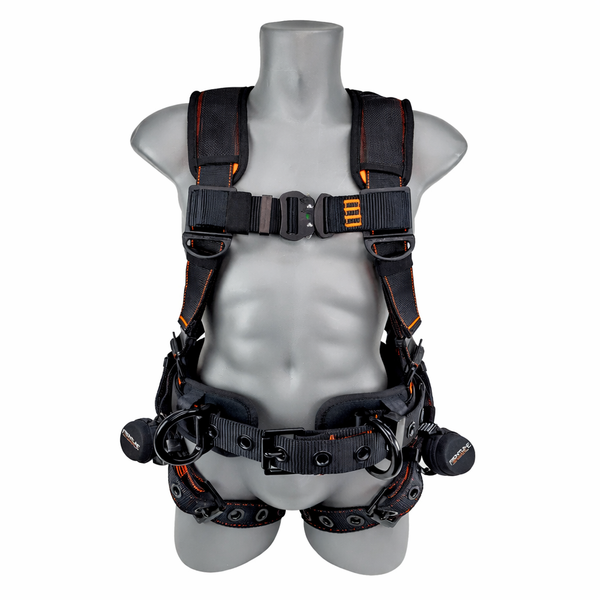 Fall Protection Canada
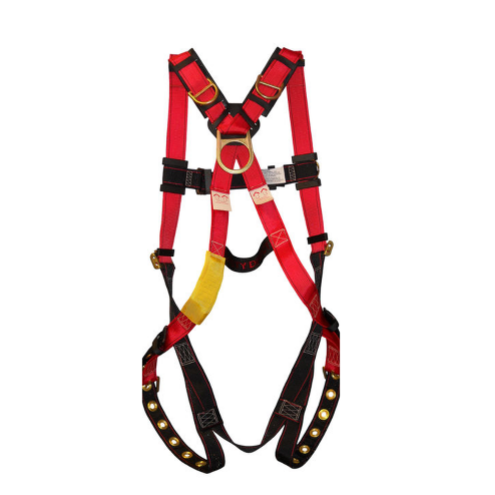
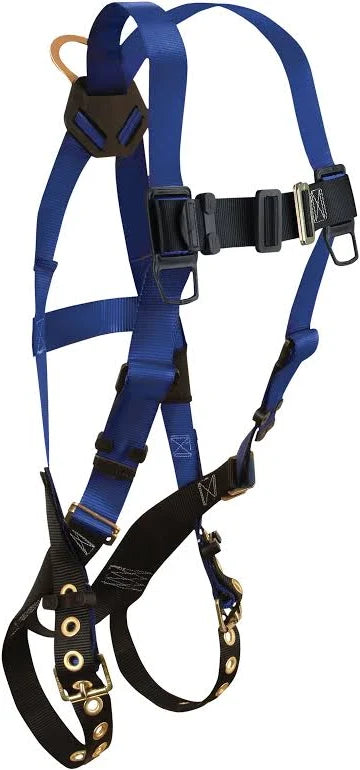
Frontline 110CTB Combat™ Lite Full Body Harness – All Alu...
$399.00$299.00Options -
SALE 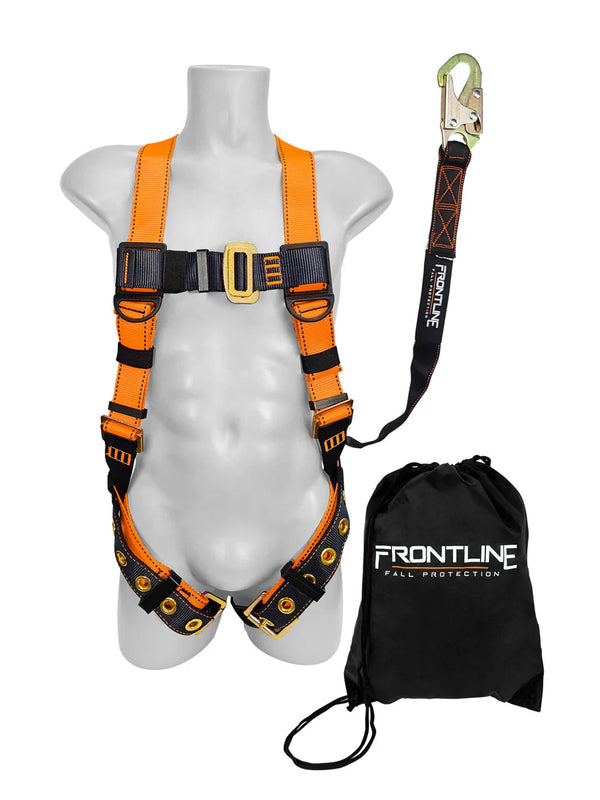
-
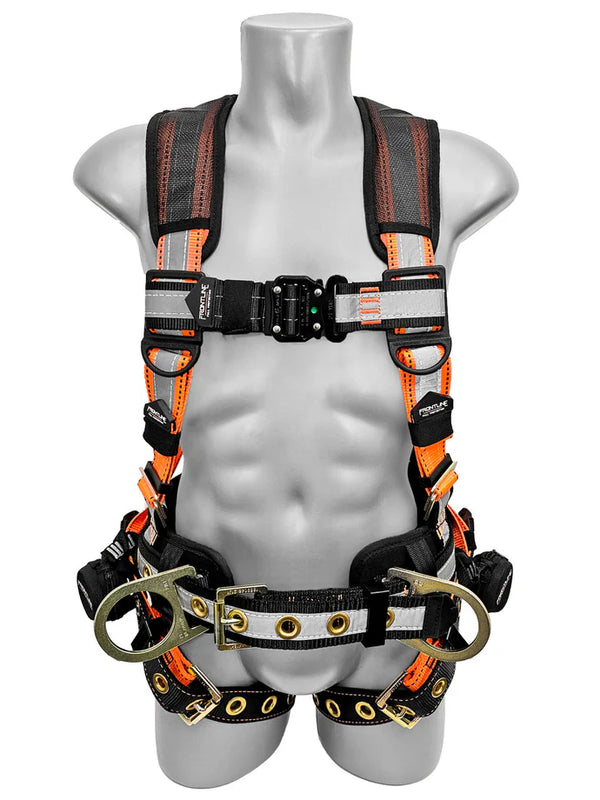
-
SALE 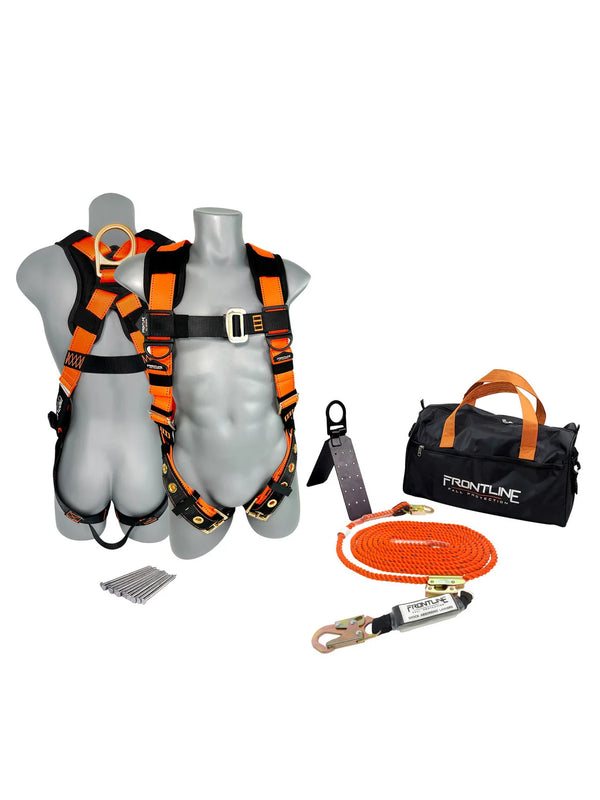
-
SALE 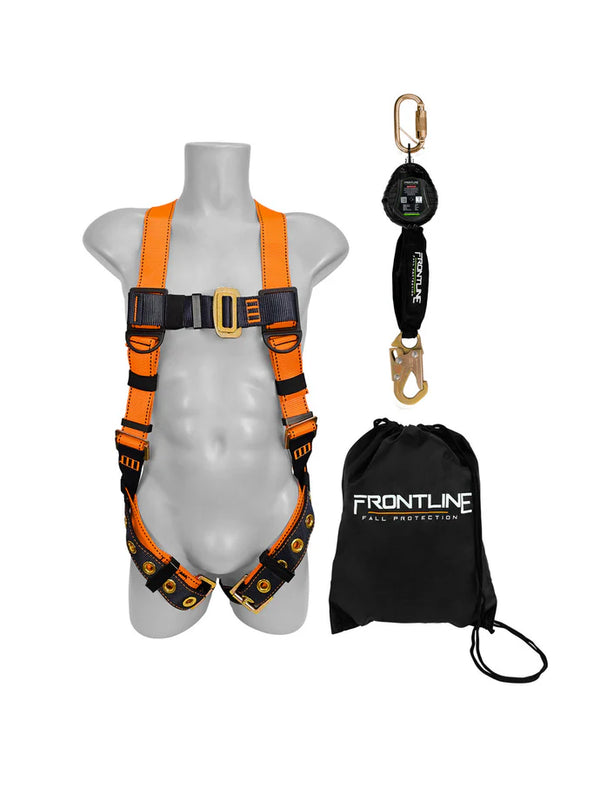
-
-
-
-
-
-
-
-
-
SALE 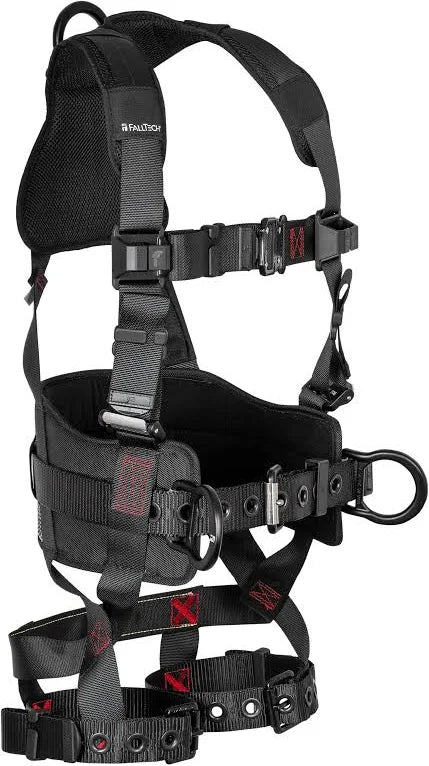 Fall Protection Canada
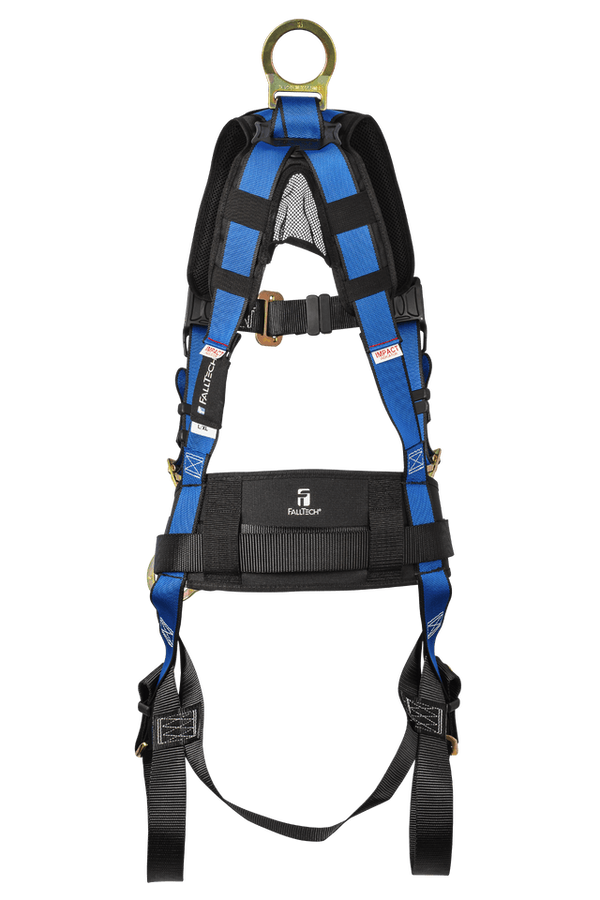
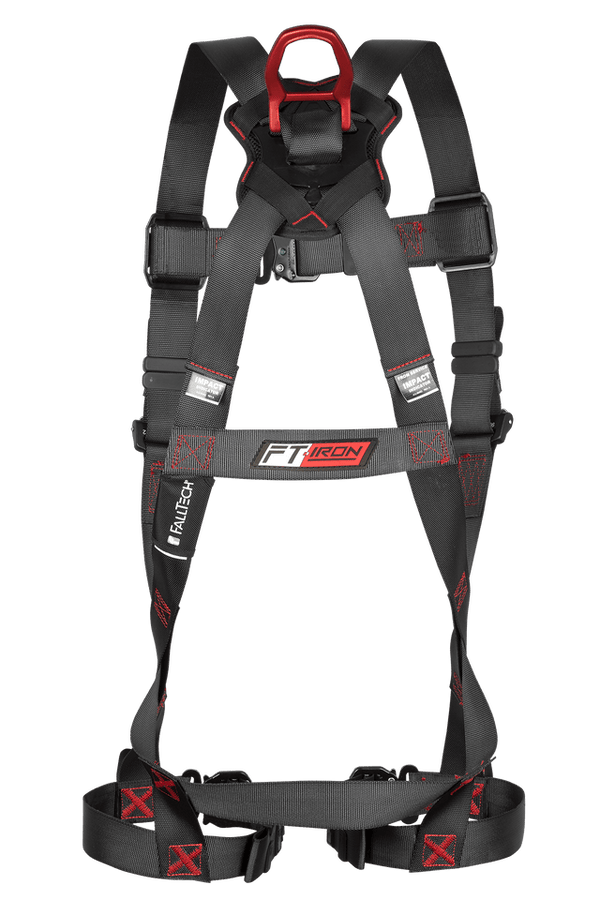
FallTech 8144 FT-Iron 3D Construction Belted Harness — CS...
$599.00$525.00Options -
-
-
-
-
-
-
-
SALE 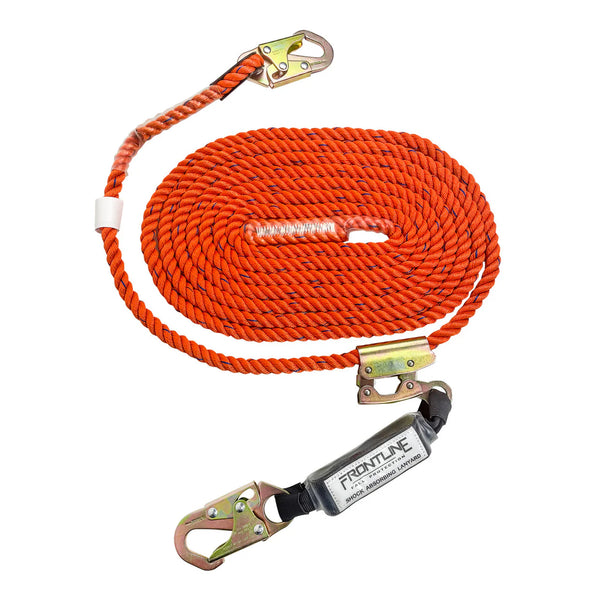 Fall Protection Canada
Frontline VLPR3L Vertical Lifeline Kit with Rope Grab & S...
$250.00$229.00Options -
-
SALE 
-
SALE 
-
SALE 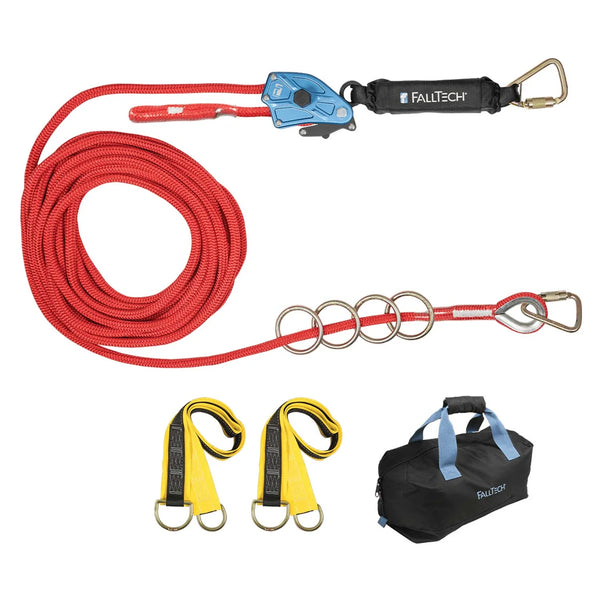 Fall Protection Canada
FallTech 772060 | 60' 4-Person Temporary HLL System | CSA...
$2,000.00$1,799.99
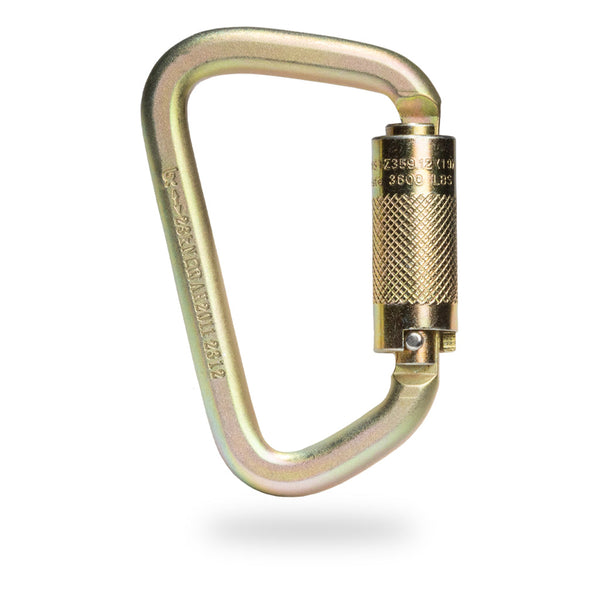
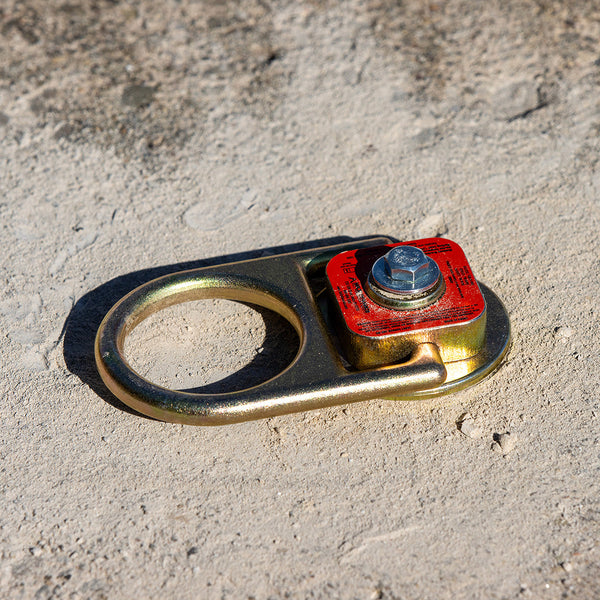
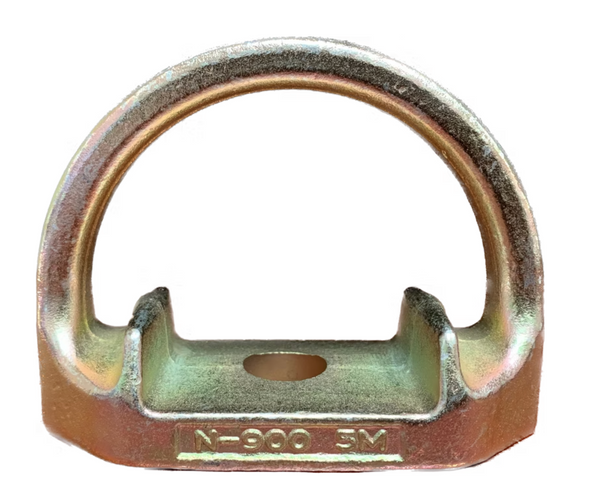
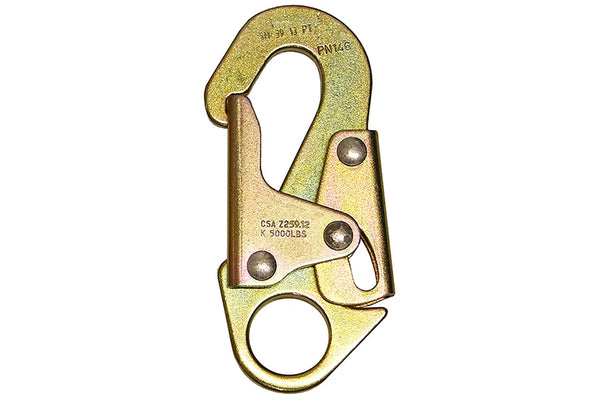
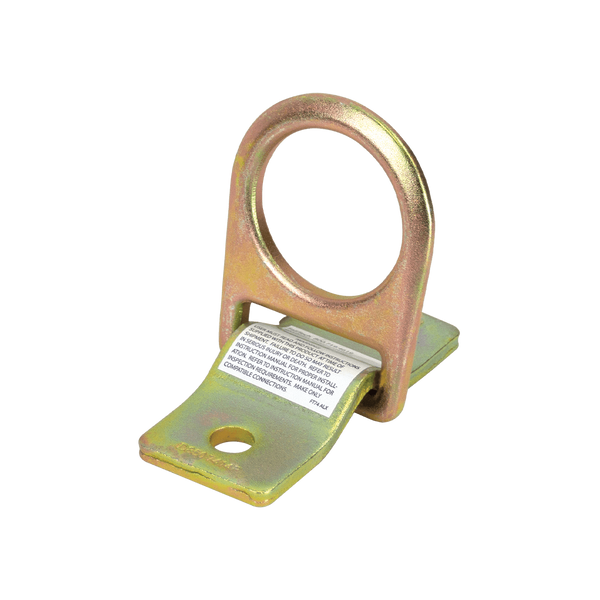
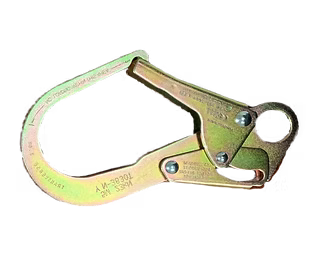
Build a complete fall arrest system
ANCHOR · BODY WEAR · CONNECTOR


Why crews buy PPE here
STANDARDS STATED PLAINLY
Every item lists its actual certification — CSA Z259.10/.11/.2.2/.12 or ANSI Z359. If something is ANSI-rated but not CSA-certified, we say so and point you to the provincial acceptance rules.
THE BRANDS CREWS ASK FOR
FallTech, Frontline, Malta Dynamics, Super Anchor and Safety Direct harnesses, lanyards, SRLs and lifelines — stocked in Canada, not drop-shipped from the US.
SHIPS FROM PARIS, ONTARIO
Canadian inventory, CAD pricing, no brokerage surprises, same-day dispatch on stocked PPE. Call 437-475-2066 for a 24-hour quote on crew packs.
Personal fall protection PPE for Canadian jobsites
A harness on its own doesn't arrest a fall — it's one part of a connected system. Fall Protection Canada stocks the body wear and connectors that complete it: CSA full-body harnesses sized for roofers and steel crews, energy-absorbing and twin-leg lanyards, self-retracting lifelines for greater mobility, vertical and horizontal lifelines with rope grabs, and the snap hooks, carabiners and connectors that tie it all together.
We carry the brands Canadian crews actually ask for — FallTech, Frontline, Malta Dynamics, Super Anchor and Safety Direct — with each product's certification stated plainly. Need a tie-off point too? Pair your PPE with a roof anchor or grab a complete kit, or call 437-475-2066 for a 24-hour quote.
PPE compliance & inspection guides
CSA Z259 · ANSI Z359 · PROVINCIAL OHS
- INSPECTION
How to Inspect Your Fall Protection Equipment: A Canadian Field Guide
Pre-use and periodic inspection steps for harnesses, lanyards and SRLs, mapped to Canadian requirements.
- COMPLIANCE
CSA vs ANSI Fall Protection Standards in Canada: What's Actually Legal by Province
When ANSI-labelled PPE is accepted and when CSA is mandatory — province by province.
- EQUIPMENT
Canadian Fall Protection Equipment Guide 2026
The complete buyer's guide to anchors, harnesses, lanyards, SRLs and kits for Canadian jobsites.
PPE ships to every province — compliance guidance for Ontario, Quebec, Alberta, BC, Manitoba, Saskatchewan, Nova Scotia and Newfoundland & Labrador.
Fall protection PPE — common questions
ANSWERS YOU CAN CITE
01What's the difference between a lanyard and an SRL?
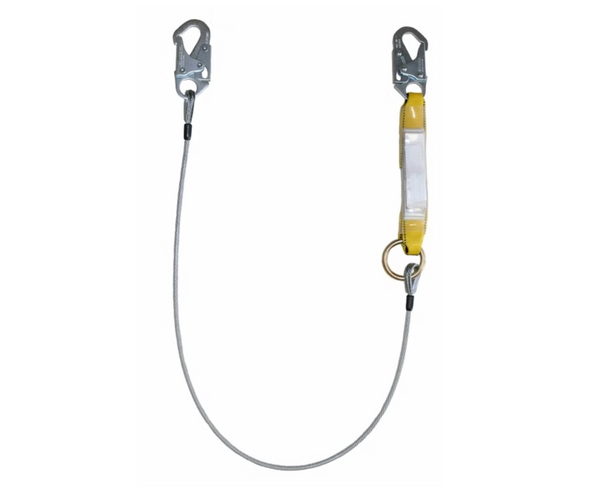
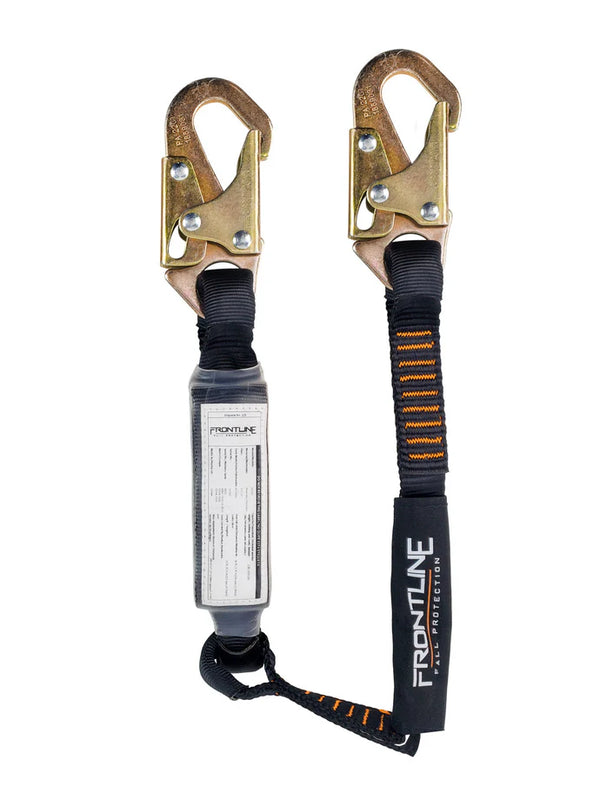
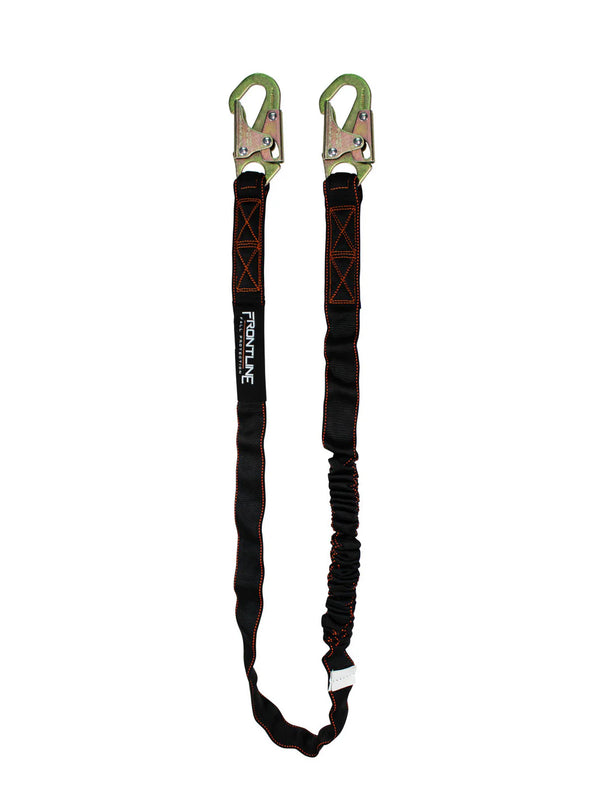
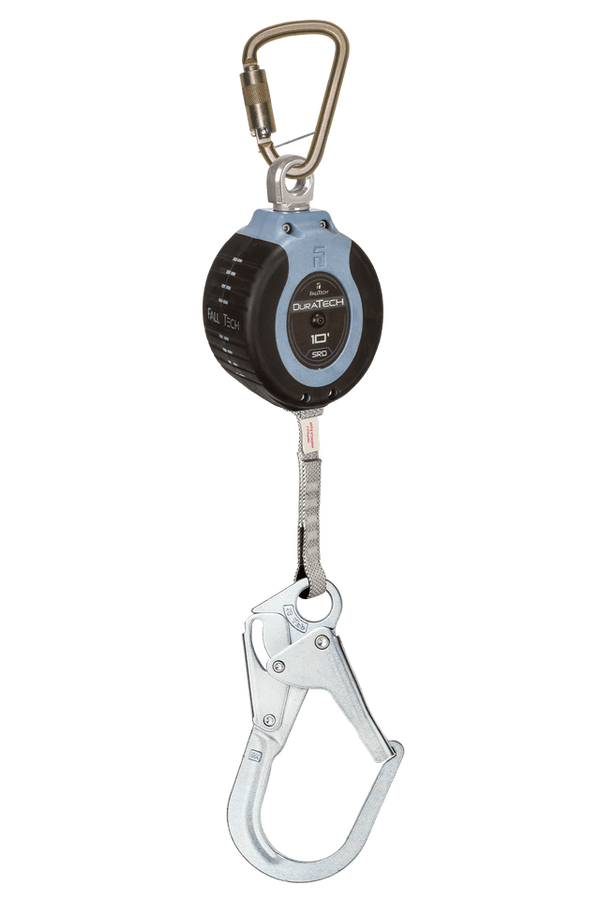
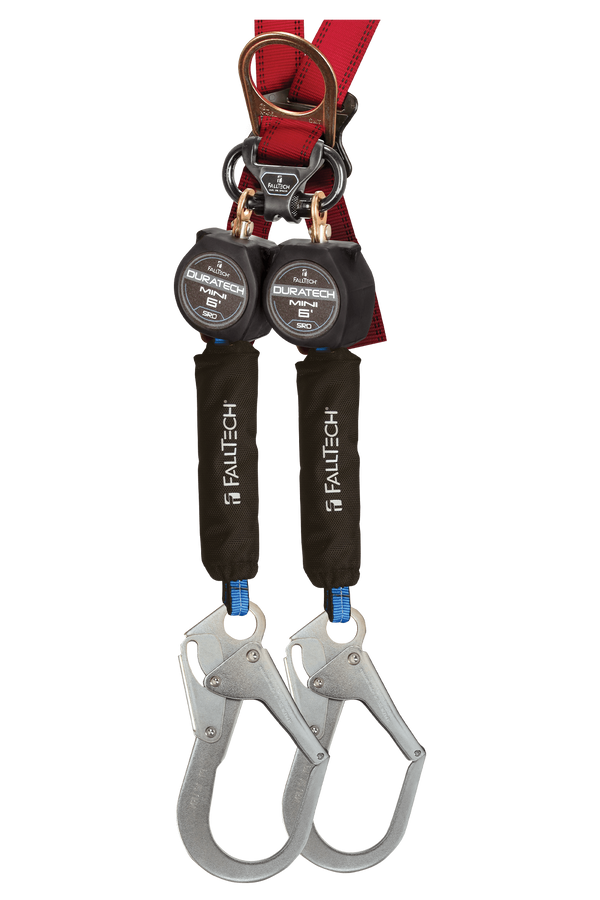
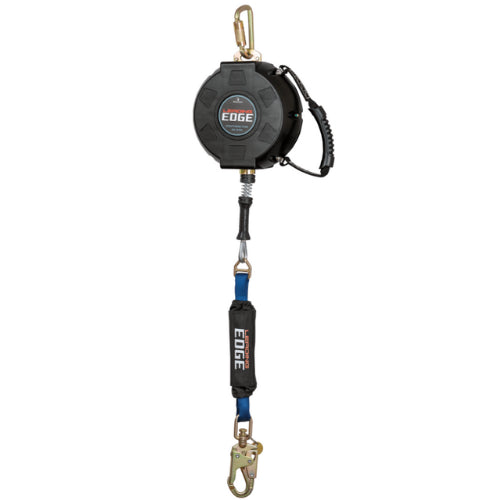
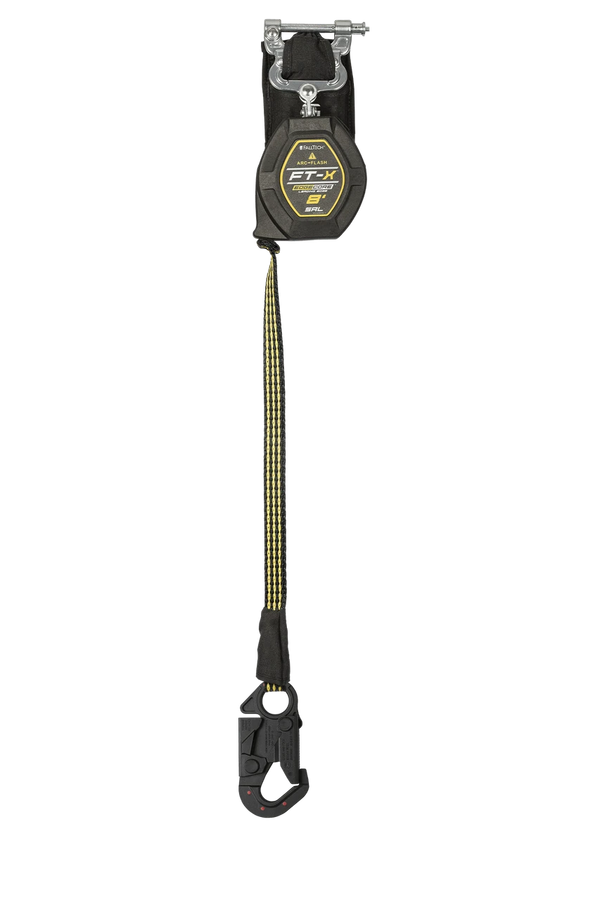
An energy-absorbing lanyard is a fixed-length connector (usually 6 ft) with a built-in shock pack that tears to limit arrest forces. A self-retracting lifeline (SRL) pays out and retracts like a seatbelt, locking on a sudden fall — it shortens free-fall distance and gives the worker more mobility. Lanyards fall under CSA Z259.11; SRLs under CSA Z259.2.2. The right choice depends on your anchor location, fall clearance and how much the worker needs to move.
02How do I choose the right harness size?
Harness sizing is based on height and weight, and most manufacturers publish a size chart by model. A correctly fitted harness sits snug with the dorsal D-ring centred between the shoulder blades and leg straps tight enough to pass a flat hand but no more. Each harness product page lists available sizes; if you're between sizes or buying for a crew, call 437-475-2066 and we'll help you spec it.
03What's the difference between a vertical and horizontal lifeline?
A vertical lifeline runs up-and-down (e.g., a rope with a rope grab for a worker climbing or working on a slope), governed by CSA Z259.2.1/.2.5. A horizontal lifeline runs side-to-side between two anchors so a worker can move along a span while staying tied off, governed by CSA Z259.13. Both let the worker move while connected; the right one depends on whether your hazard is along a level run or up a pitch.
04Is your PPE CSA-certified?
Each product page states its actual certification. Many of our harnesses, lanyards, SRLs and lifelines are CSA-certified to the relevant Z259 standard; some imported items are ANSI Z359-rated instead. A CSA mark is a CSA certification — an ANSI marking alone is not. Because provincial acceptance of ANSI-only gear varies, we state each item's certification plainly so you can match it to your provincial OHS rules.
Canadian Fall Protection PPE • Stocked in Canada
Fall Protection PPE Canada: Full-Body Harnesses, Shock-Absorbing Lanyards & SRD Lifelines
Contractor-grade personal protective equipment for roofing, metal roof crews, ladder access, and jobsite fall arrest — choose CSA-certified harness classes and energy absorbers for your tie-off plan.
This page groups essential personal fall protection equipment (PPE) into practical jobsite categories: full-body harnesses, energy-absorbing lanyards, and self-retracting lifelines (SRD). Ensure your setup matches your work method—restraint, positioning, or fall arrest—and the anchor point you’re connecting to.
- CSA Harness Classes
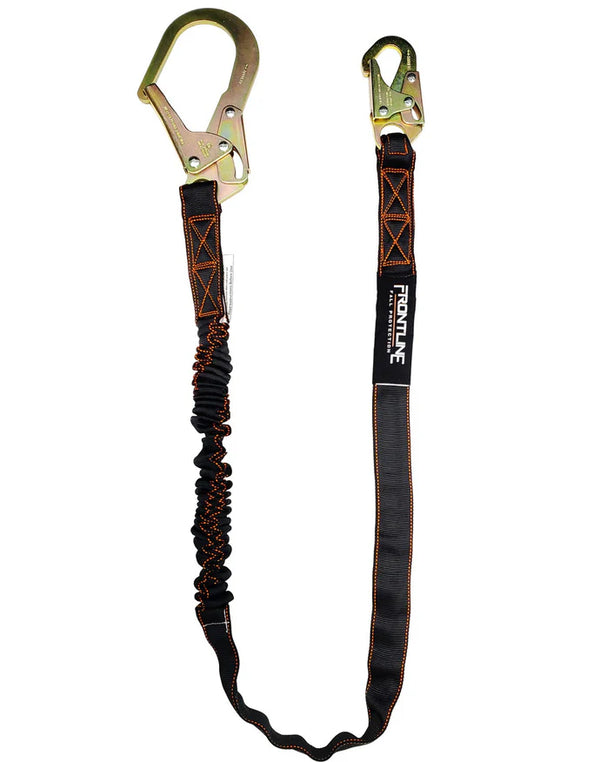
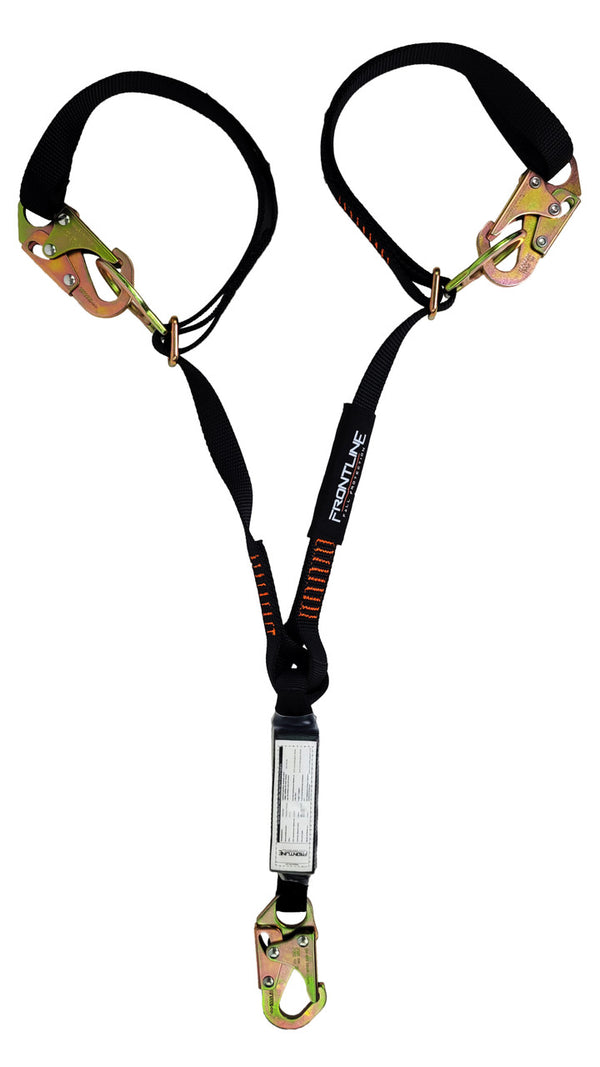
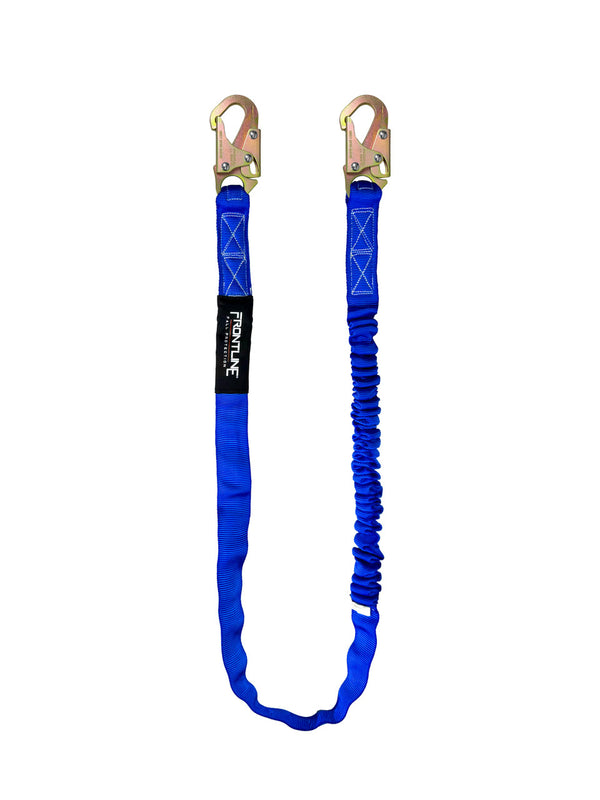
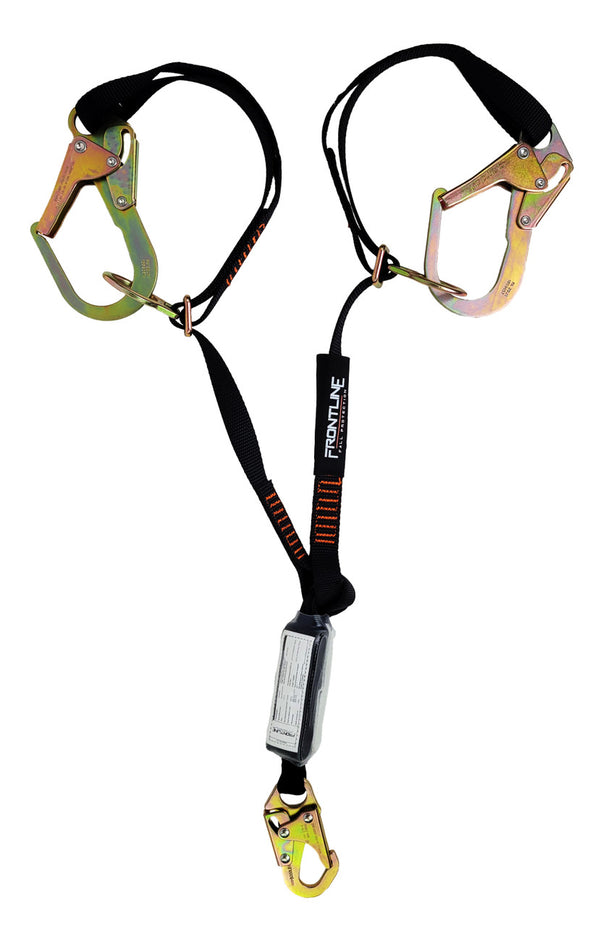
- Shock-Absorbing Lanyards
- Scaffold / Ladder Hooks
- SRD Lifelines
- Fall Arrest Systems
Need technical assistance? Call or Text 437-475-2066 or email support@canadasnowguards.com
Fall Protection Basics
What Is Fall Protection PPE in Canada?
Personal fall protection equipment (PPE) refers to the wearable and connective gear that protects a worker from injury during a fall from height. In Canada, fall protection PPE is governed by CSA Group standards and enforced under provincial occupational health and safety legislation — including Ontario's O. Reg. 213/91 for construction projects.
A compliant fall protection system always consists of three connected components: an anchor point, a connecting subsystem (lanyard or SRD lifeline), and a full-body harness. Each component must be individually CSA-certified and compatible with the others for the system to be legally valid on Canadian jobsites.
H
Full-Body Harness
Distributes fall arrest forces across the shoulders, chest, and thighs. Must meet CSA Z259.10. Select D-ring placement based on your work method.
L
Shock-Absorbing Lanyard
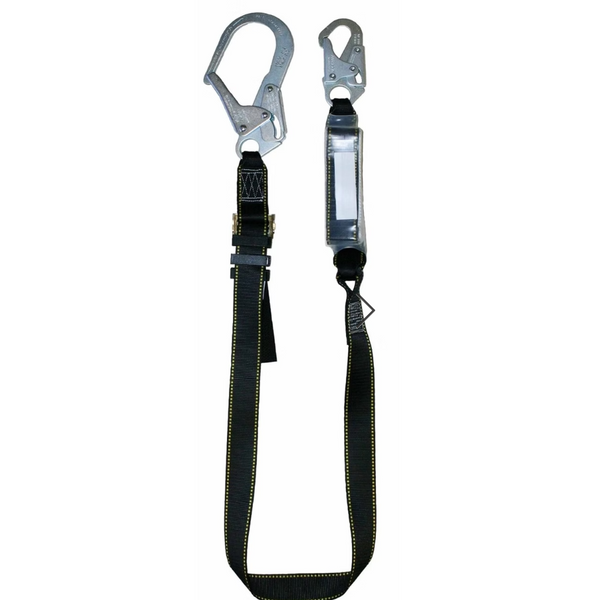
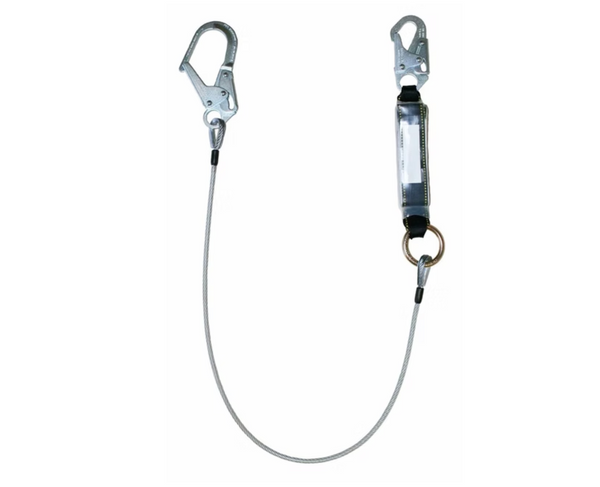
Connects the harness dorsal D-ring to an anchor. Energy-absorbing lanyards limit fall arrest forces to 6 kN per CSA Z259.11.
S
Self-Retracting Device
Provides hands-free mobility while maintaining continuous fall protection. SRDs are governed by CSA Z259.2.2 and Z259.2.5 for lifelines.
Canadian Regulations
CSA Fall Protection Standards That Apply in Canada
Every piece of fall protection PPE sold and used in Canada must comply with the applicable CSA Z259 series standard. The table below outlines the key standards by equipment type — use this to verify that products you're purchasing carry the correct certification for your province and application.
| Standard | Equipment Type | Key Requirement | Applies To |
|---|---|---|---|
| CSA Z259.10 | Full-Body Harnesses | Classes A, D, E, L, P — rated to 22.2 kN min. break strength | All harnesses used in fall arrest |
| CSA Z259.11 | Energy Absorbers & Lanyards | Max 6 kN arrest force; 1.2–1.8 m deployed lengths | Shock-absorbing lanyards, twin-leg lanyards |
| CSA Z259.2.2 | Self-Retracting Devices | Locking within 300 mm of fall initiation; min. 22.2 kN MBS | All SRDs used for fall arrest |
| CSA Z259.2.5 | Vertical Lifelines & Rope Grabs | Min. 27 kN MBS for rope; rope grab must lock automatically | Vertical lifelines on ladders, scaffolding |
| CSA Z259.14 | Horizontal Lifeline Systems | Engineered systems; must be designed by qualified person | Horizontal cable systems on roofs, bridges |
| CSA Z259.16 | Design of Active Fall Protection | Covers system-level design; clearance calculations required | System designers, competent persons |
Harnesses
Choosing a Full-Body Harness for Canadian Jobsites
A full-body harness is the foundation of any personal fall protection system. Under CSA Z259.10, Canadian harnesses are classified by their intended use — not just their weight rating. Selecting the wrong class for your work method is a compliance failure regardless of the harness quality.
CSA Harness Classes Explained
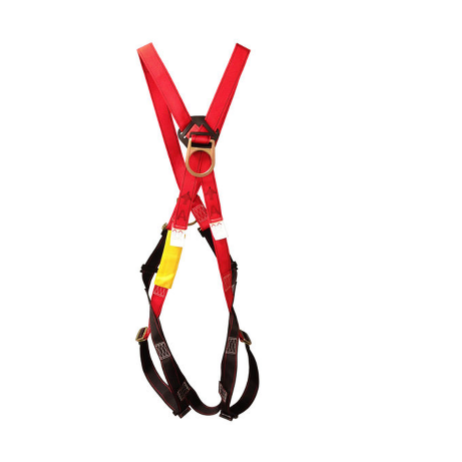
Class A — General industry fall arrest. Single dorsal D-ring. Suitable for most roofing, construction, and elevated work platforms.
Class D — Controlled descent and rescue operations. Includes sternal D-ring for descender devices.
Class E — Electrical hazard protection. Rated for reduced conductivity in live-line utility work.
Class L — Ladder climbing. Dorsal D-ring positioned for use with ladder safety systems and SRDs.
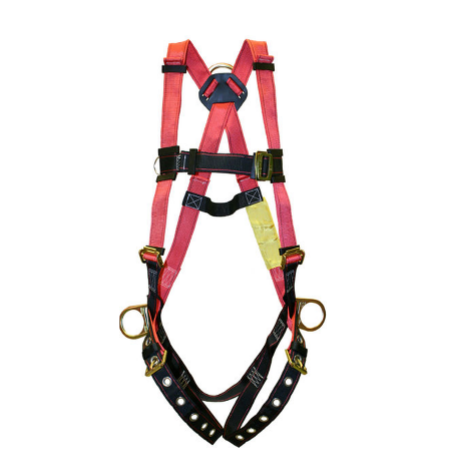
Class P — Work positioning. Includes lateral/hip D-rings for positioning lanyards. Does not replace fall arrest.
Harness Fit & Inspection Requirements
A harness must fit the wearer — not just the job. CSA and provincial OHS regulations require that harnesses be inspected before each use by the wearer and formally inspected by a competent person at least annually. Look for worn webbing, damaged stitching, corroded hardware, and expired date stamps.
In Ontario, O. Reg. 213/91 Section 26.1 requires that fall protection equipment be CSA-certified and maintained according to the manufacturer's instructions. Any harness involved in a fall arrest event must be immediately removed from service and inspected or replaced.
Roofing-Specific Harness Selection
For metal roof and shingle applications, a Class A harness with a back D-ring and sub-pelvic strap is the standard configuration. When working near leading edges or performing extended tasks at height, look for padded shoulder and leg straps to reduce fatigue during longer work periods.
Lanyards
Shock-Absorbing Lanyards vs. Restraint Lanyards in Canada
Not all lanyards are fall arrest lanyards. This is one of the most common compliance mistakes on Canadian jobsites. The type of lanyard you use must match your work method — restraint, positioning, or fall arrest — and your available clearance below the work surface.
Energy-Absorbing Lanyards (Fall Arrest)
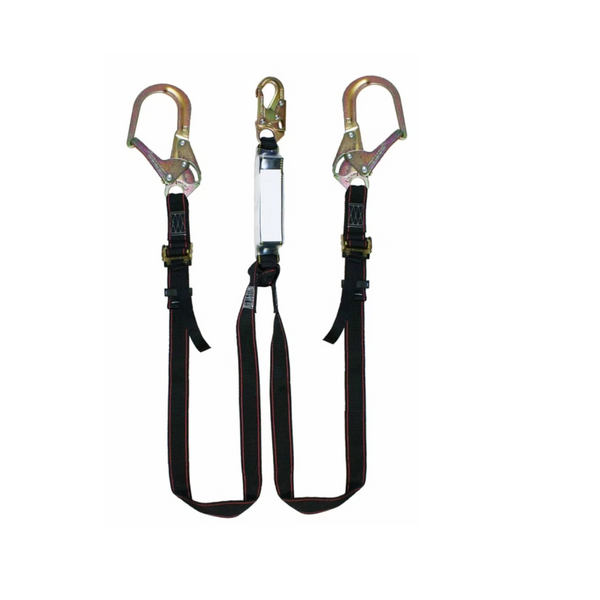
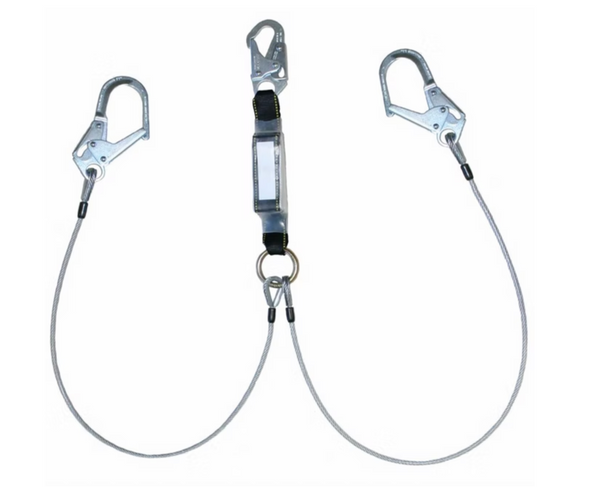
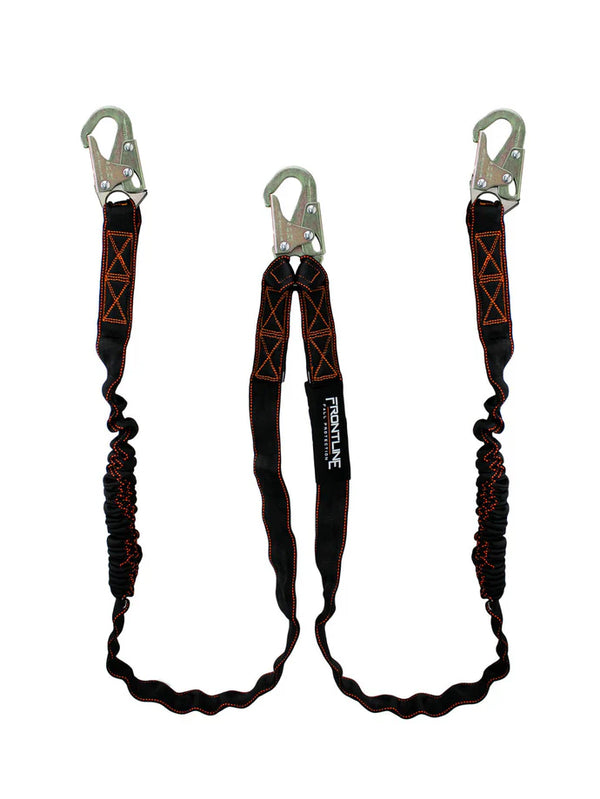
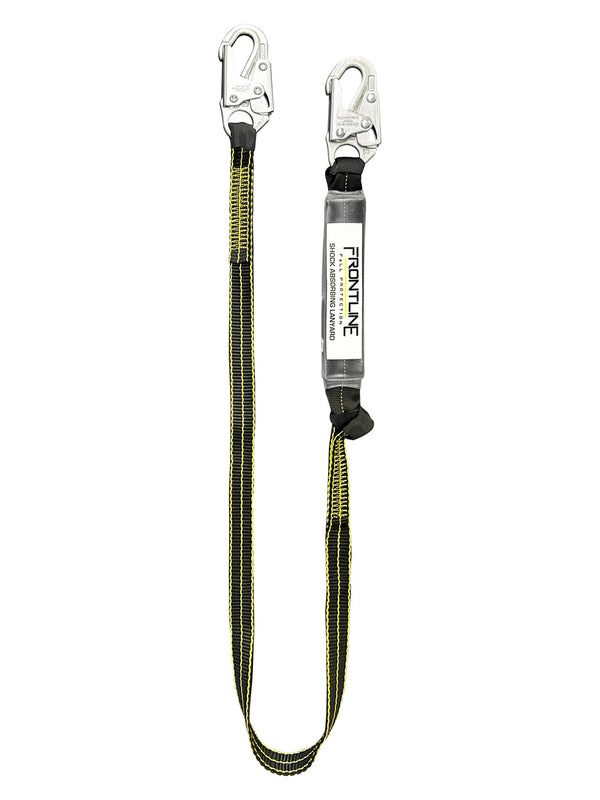
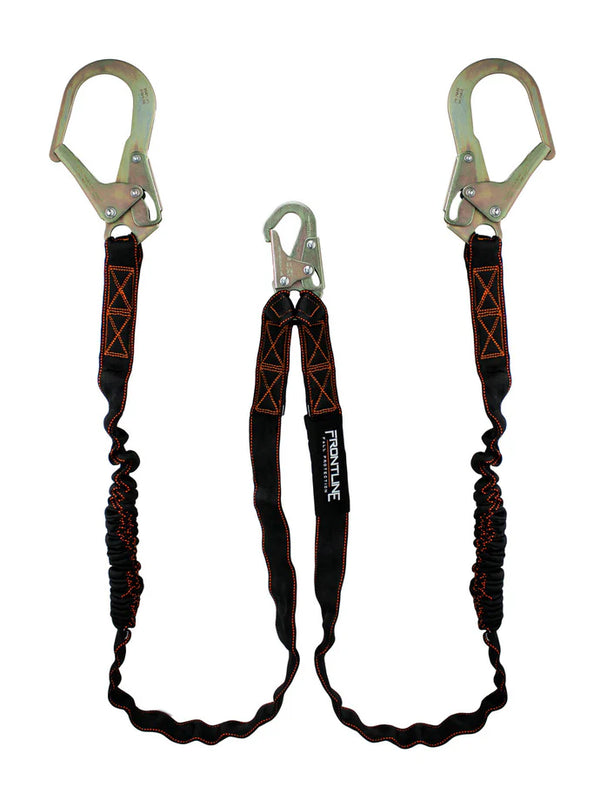
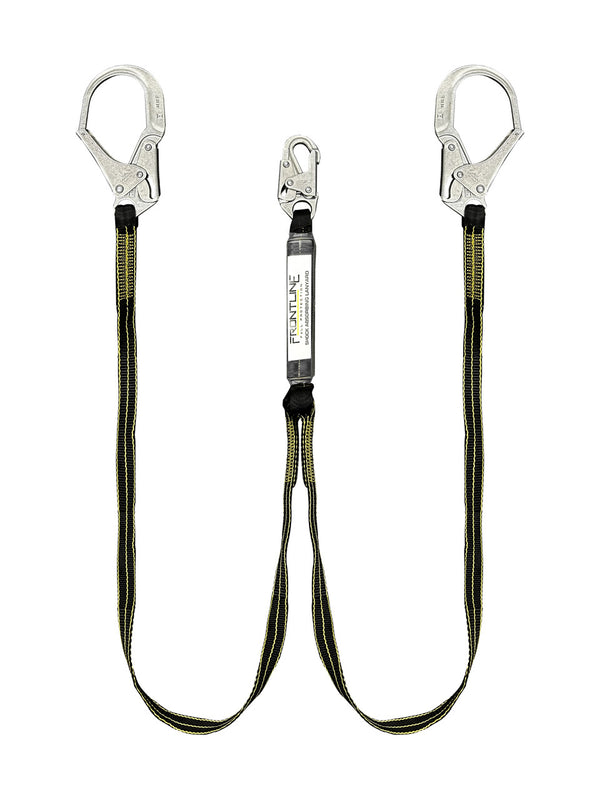
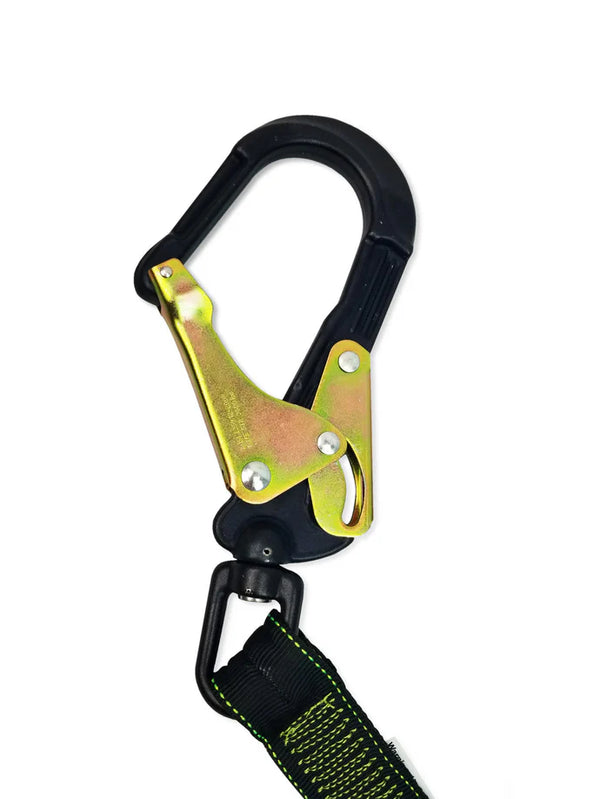
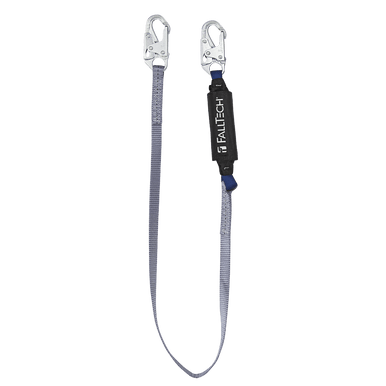
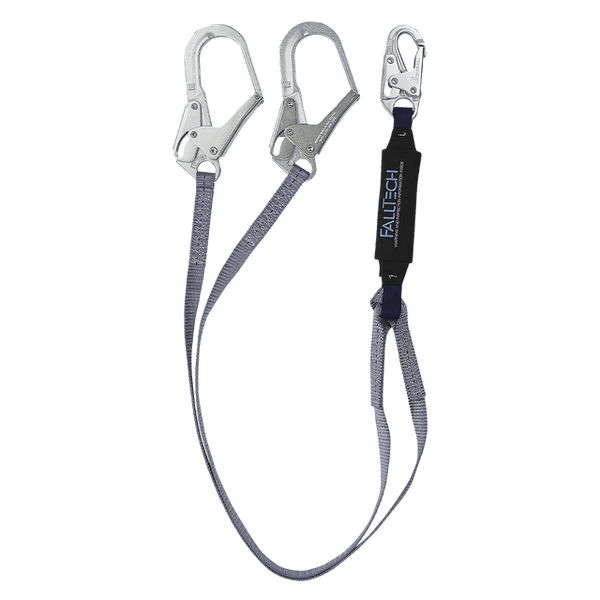
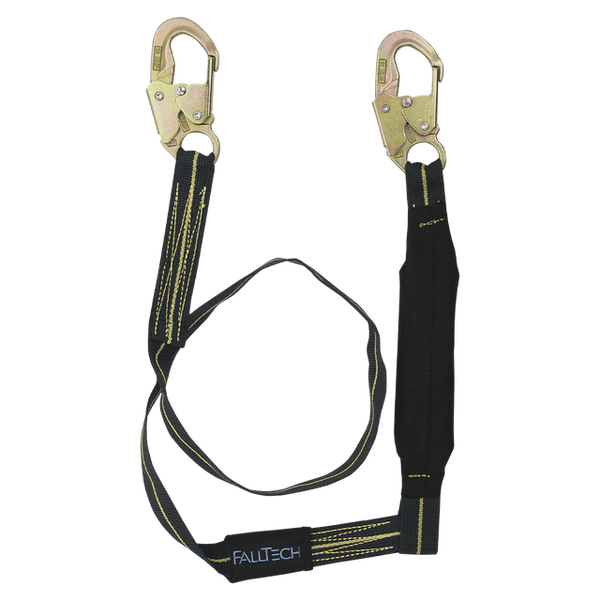
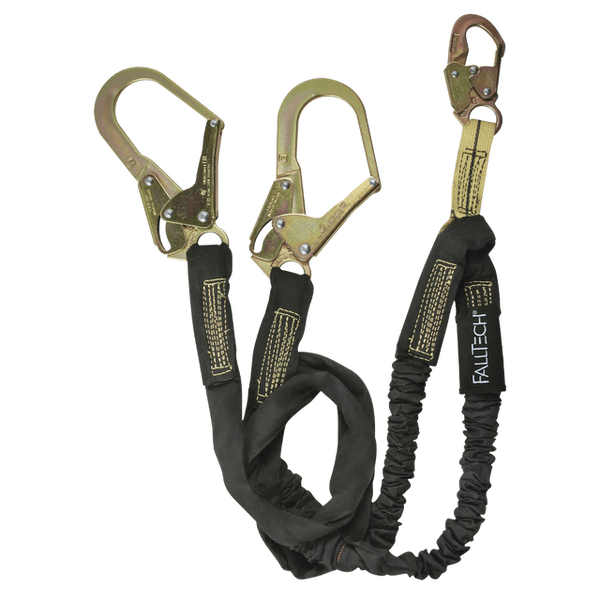
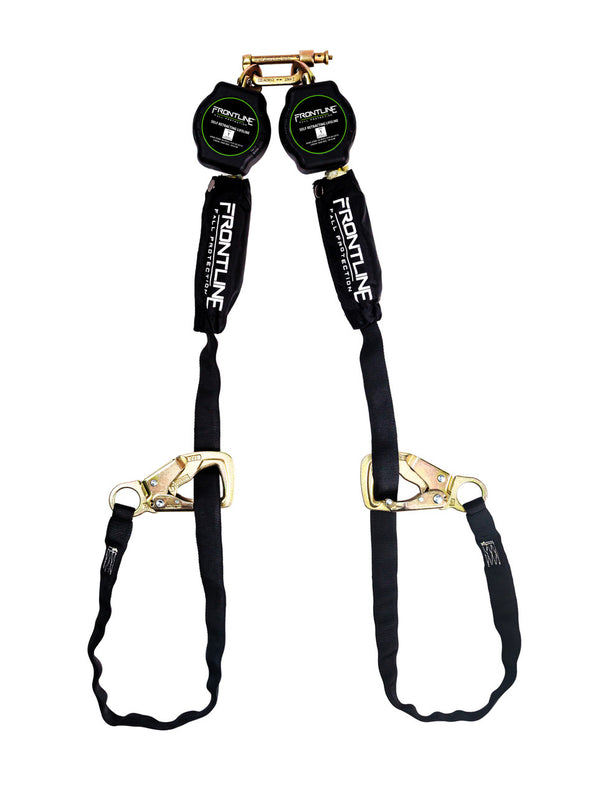
Energy-absorbing lanyards under CSA Z259.11 deploy a tear-webbing pack that limits arrest forces to 6 kN maximum. Standard single-leg lanyards are 1.8 m; twin-leg (Y-style) lanyards allow 100% tie-off when moving between anchor points — mandatory on many construction and roofing applications in Canada.
Restraint Lanyards
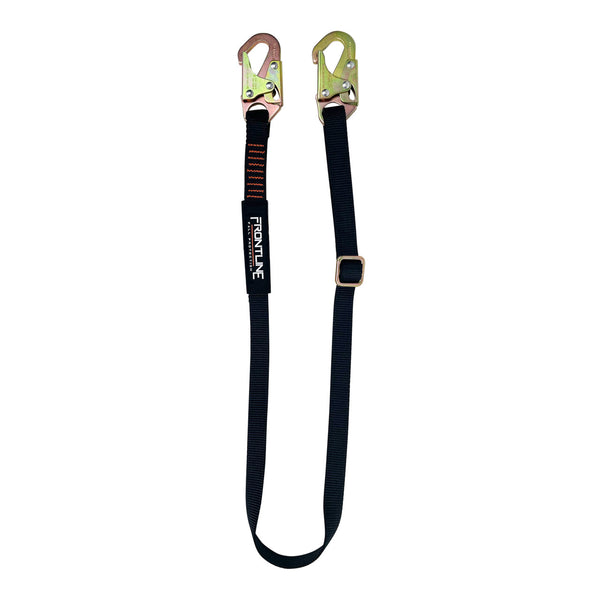
Restraint lanyards prevent a worker from reaching a fall hazard — they are not designed to arrest a fall. Used with a rope adjuster or fixed length, they are common on flat roofs where the worker must stay a set distance from the roof edge. If there is any possibility the worker could fall, an energy-absorbing lanyard or SRD is required instead.
Understanding Fall Clearance with Lanyards
A 1.8 m energy-absorbing lanyard can deploy up to 1.0 m of additional length during arrest. Combined with the dorsal D-ring height and harness stretch, total fall clearance required can exceed 5–6 metres from the anchor point. Always calculate total fall distance before selecting lanyard length — particularly on low-slope roofs and mezzanine levels.
SRDs & Lifelines
Self-Retracting Devices and Vertical Lifelines for Canadian Fall Protection
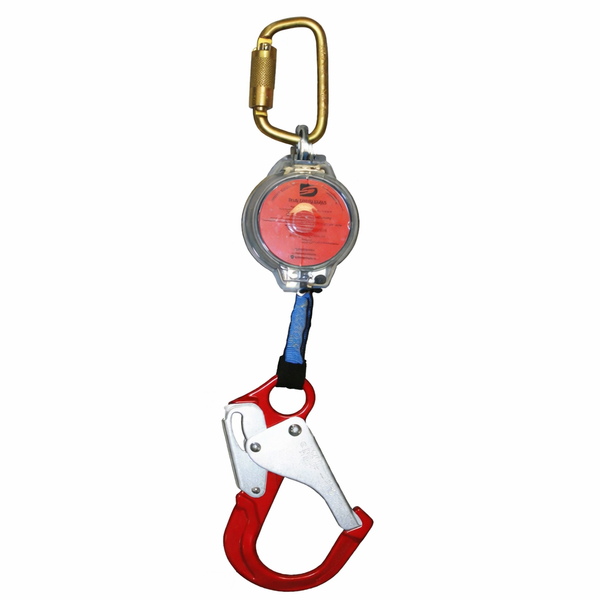
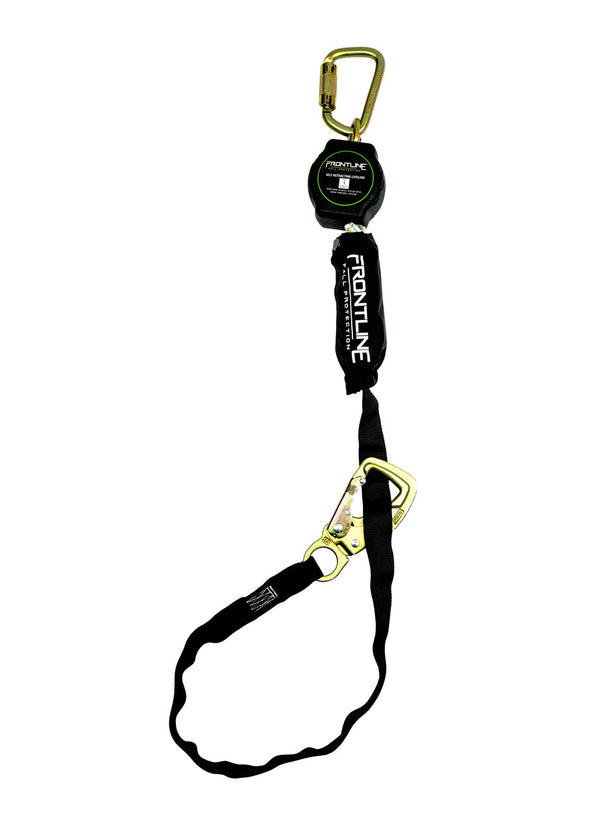
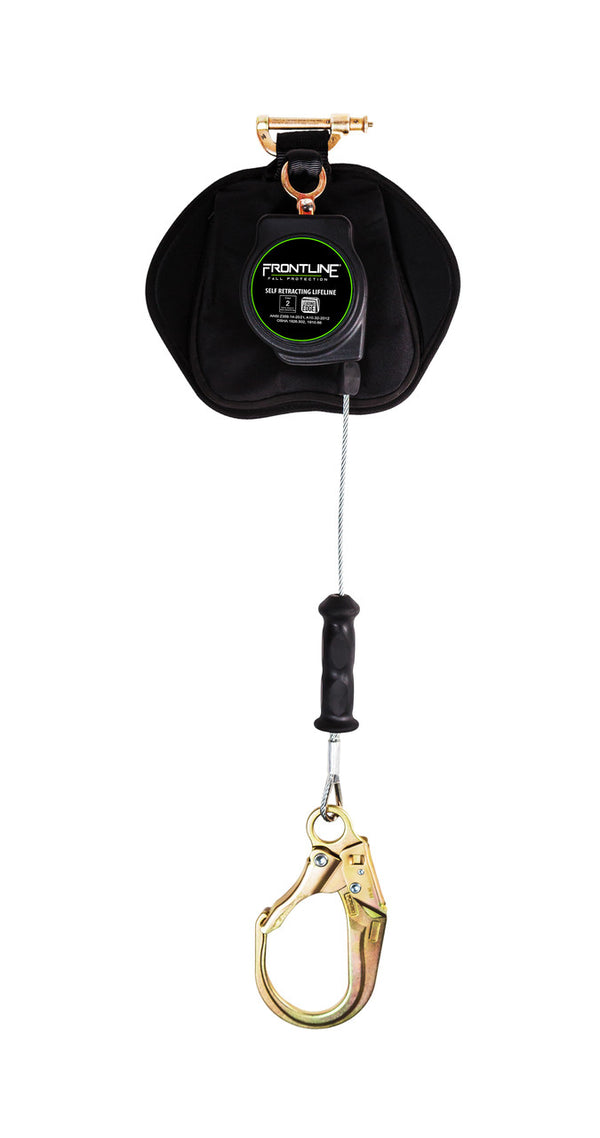
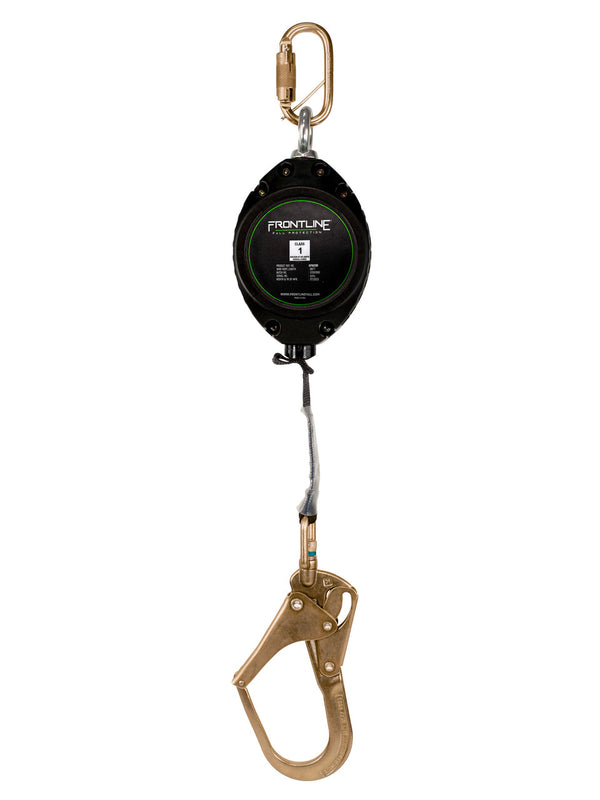
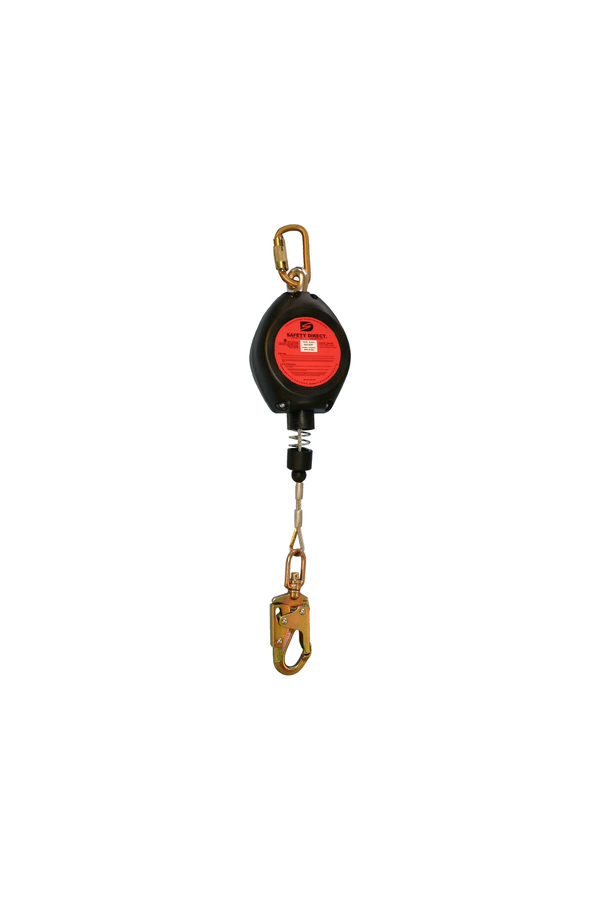
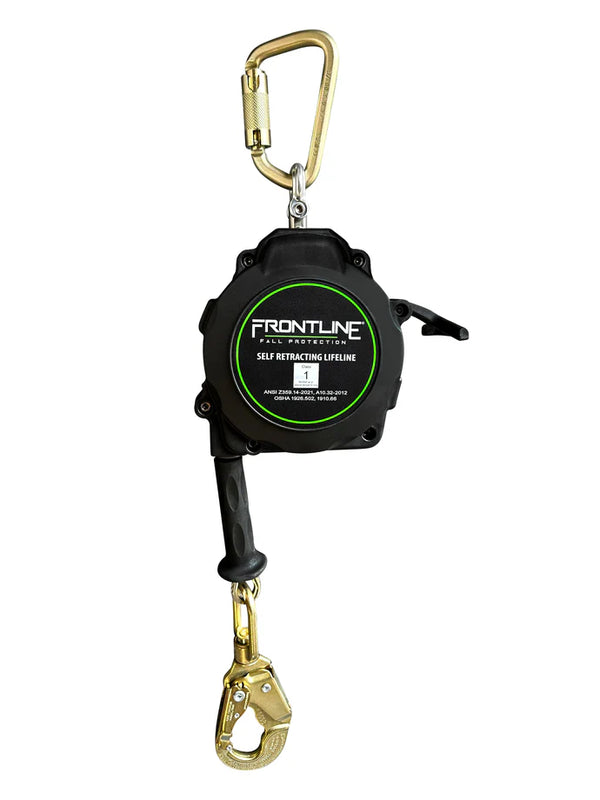
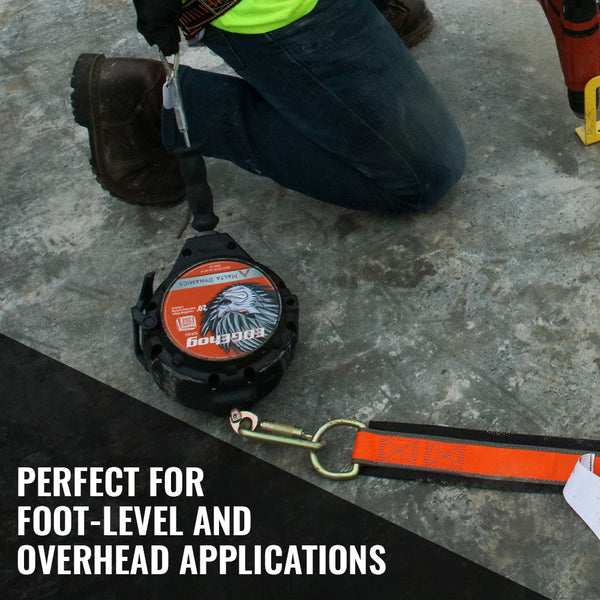
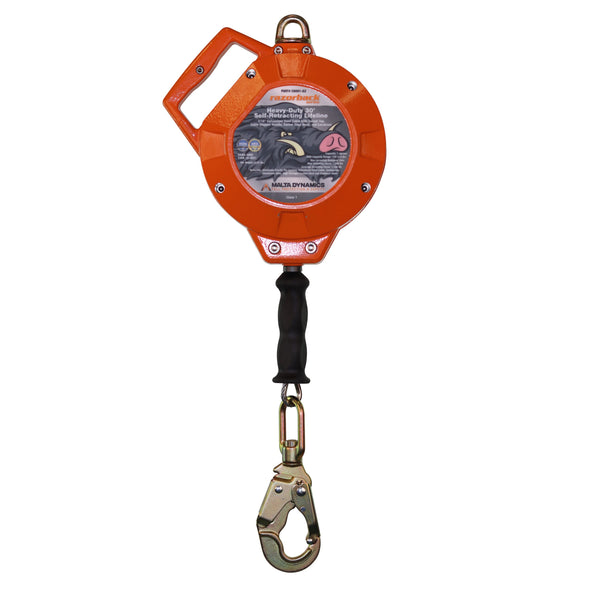
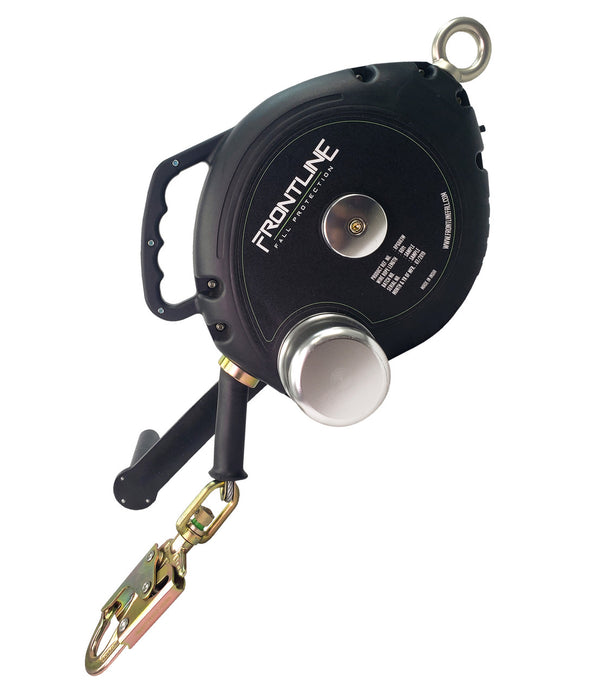
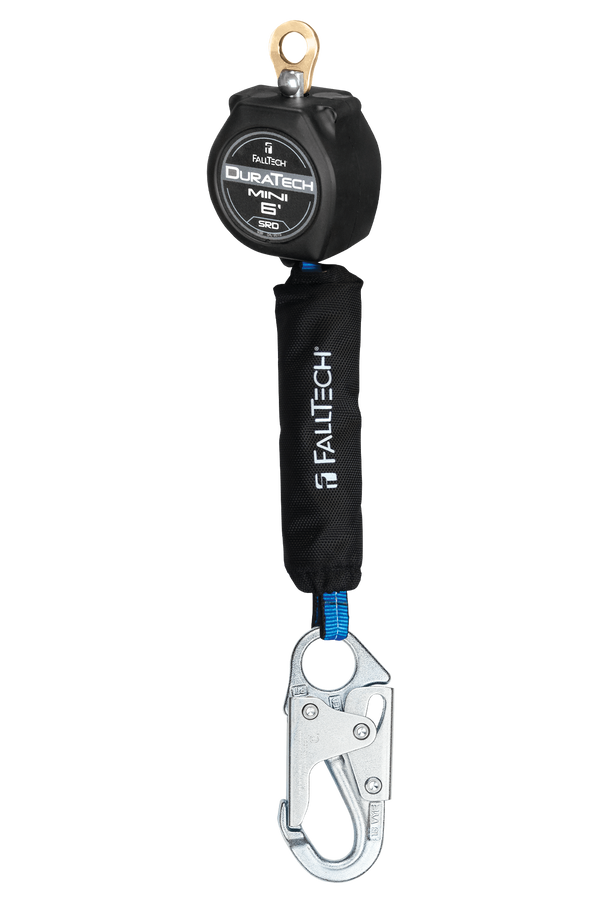
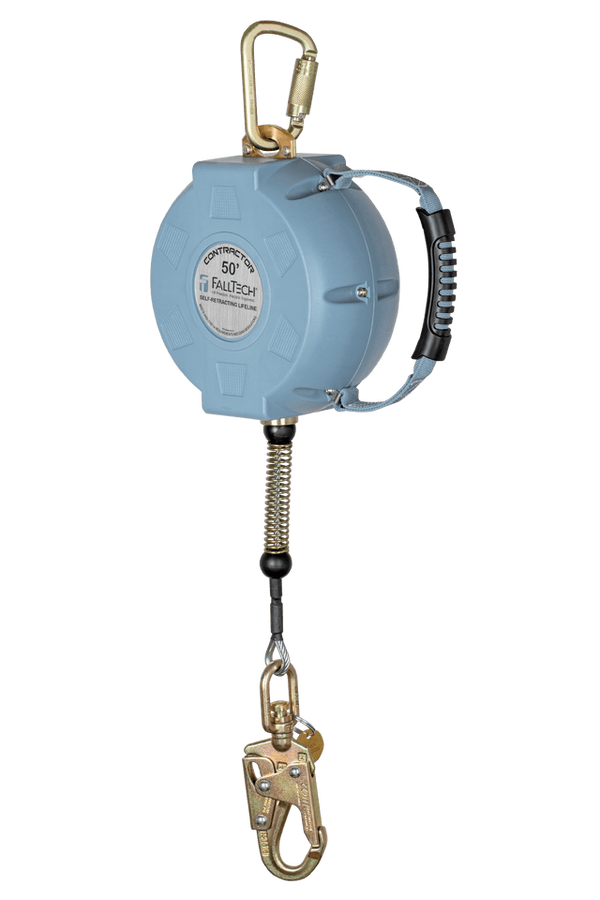
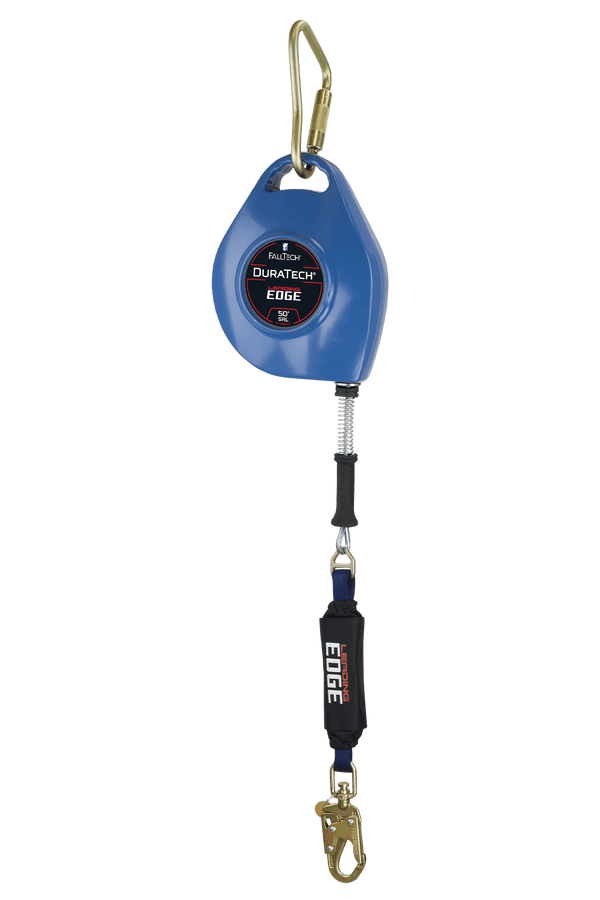
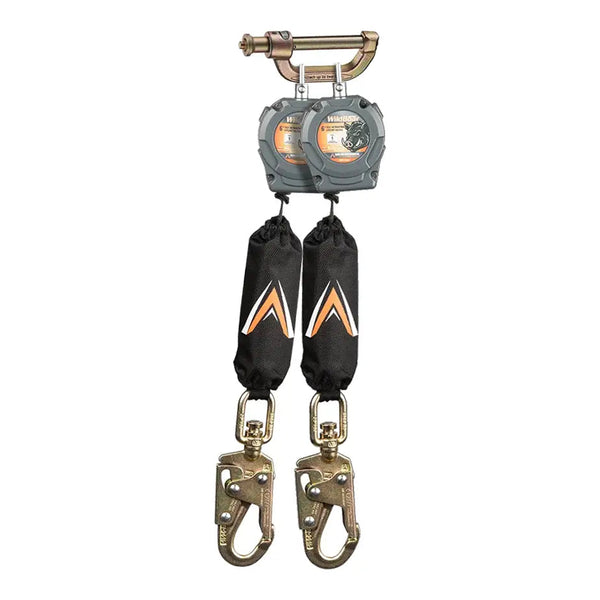
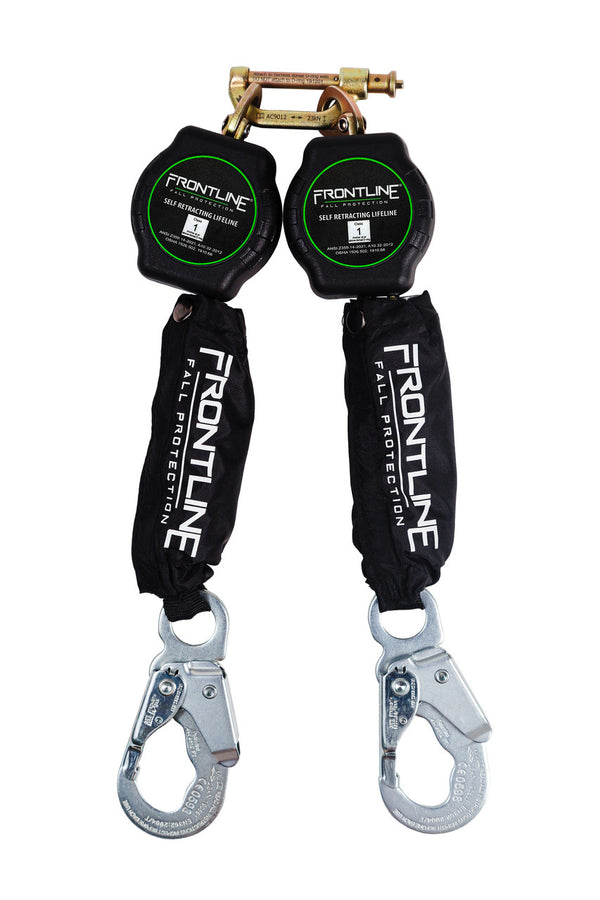
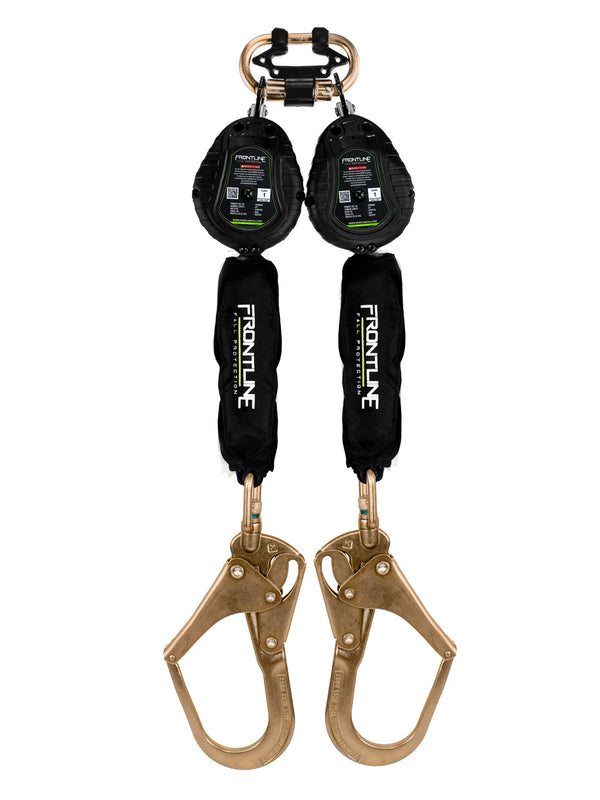
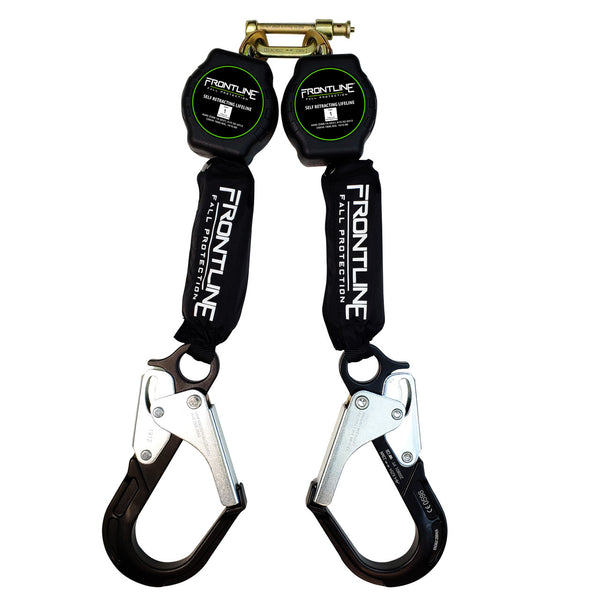
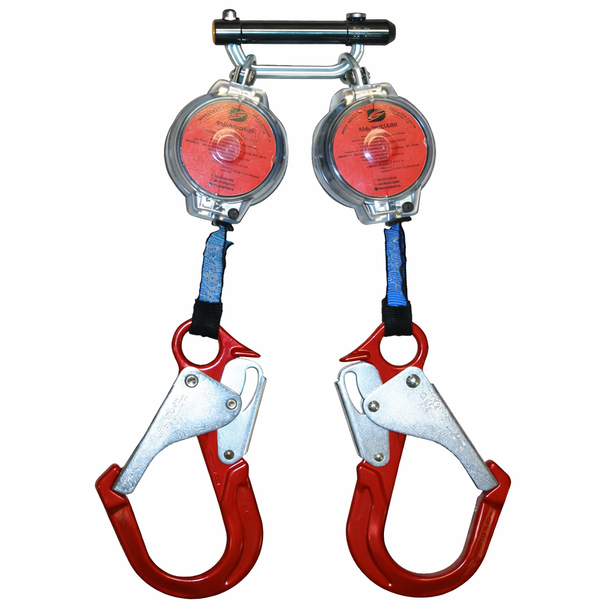
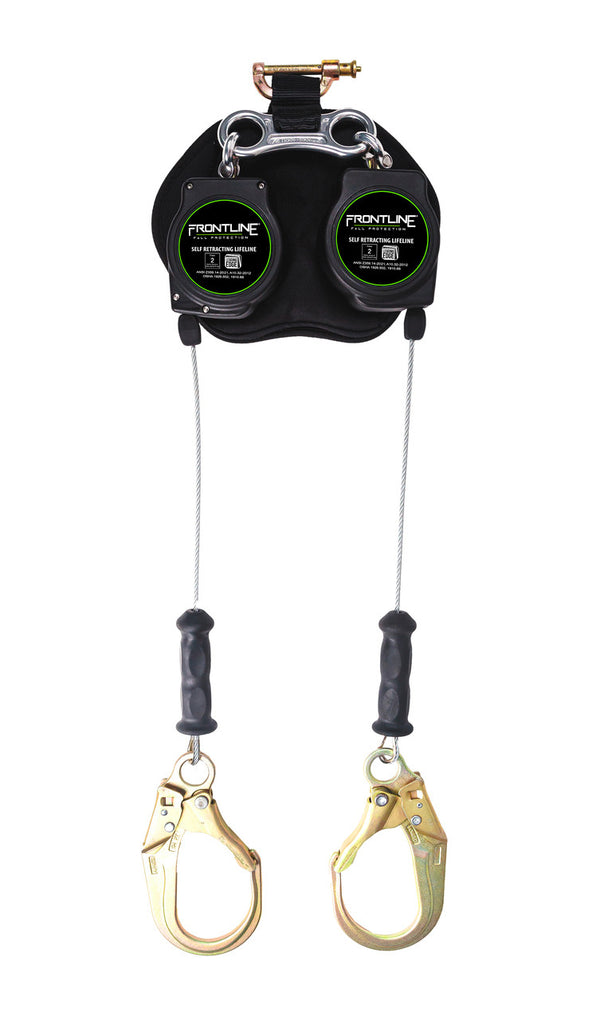
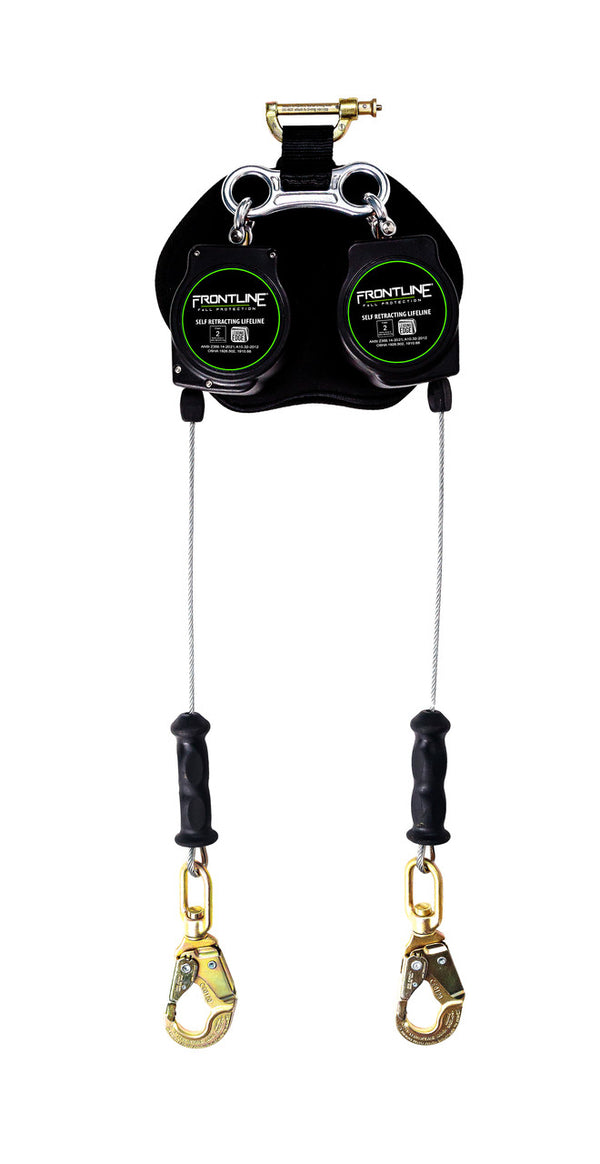
Self-retracting lifelines (SRLs) — also called self-retracting devices (SRDs) in Canadian terminology — automatically take up slack as the worker moves. In the event of a fall, an inertia-activated brake engages within 300 mm of fall initiation per CSA Z259.2.2, dramatically reducing fall distance and arrest forces compared to a traditional lanyard.
When to Use an SRD Instead of a Lanyard
SRDs are the preferred connecting subsystem when workers need to move freely across a large work area — roof decks, steel erection, bridge work, and telecommunications towers. Because the device limits free-fall distance, they also require significantly less clearance than a standard energy-absorbing lanyard, making them ideal for work near lower-level obstructions.
For leading edge applications, only leading-edge-rated SRDs (CSA Z259.2.2 Class LE) should be used. Standard SRDs are not tested for the dynamic loading created when a worker falls over a sharp edge.
Vertical Lifelines with Rope Grabs
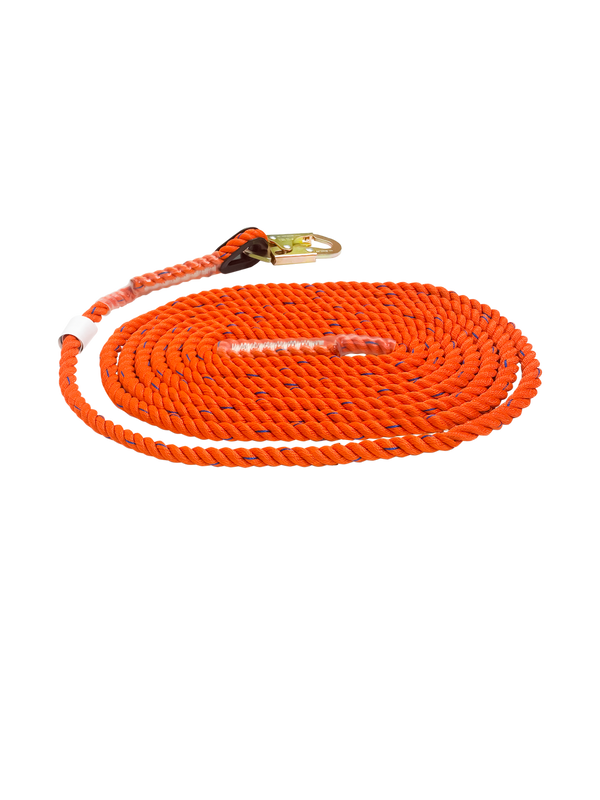
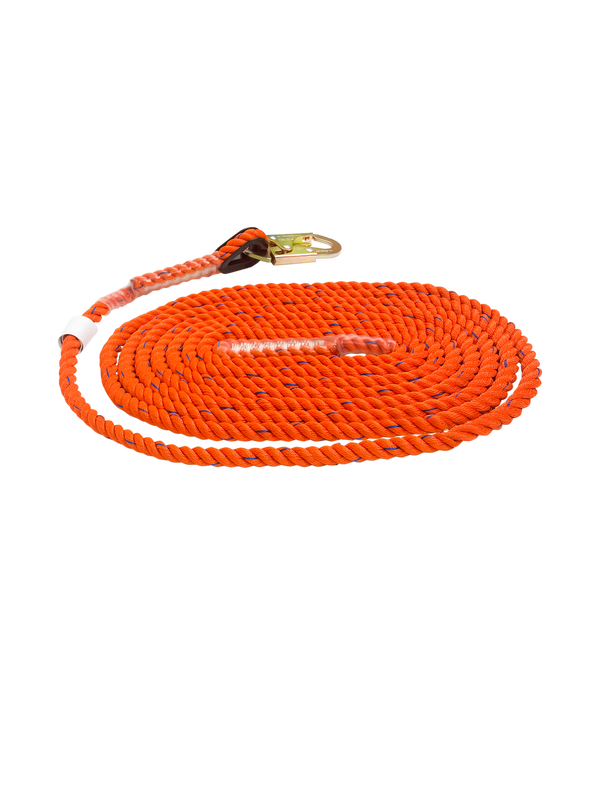
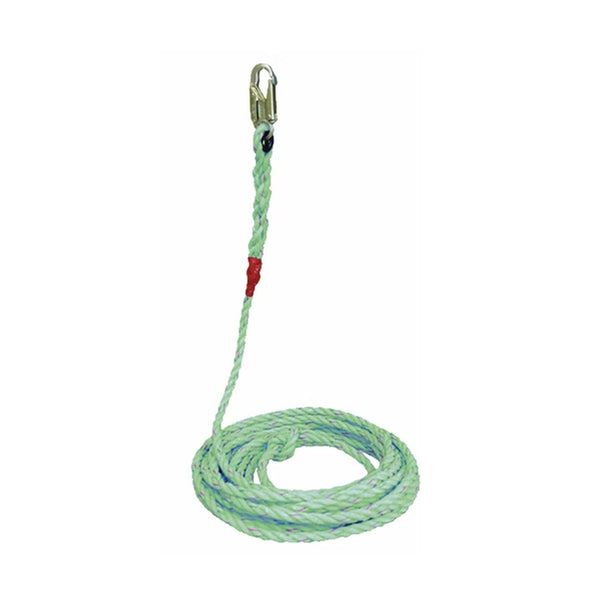
A vertical lifeline system consists of a CSA Z259.2.5-certified rope anchored above the worker, combined with a rope grab that rides along the line and locks automatically in a fall. Commonly used on fixed ladders, scaffolding, and roof access points.
The Safety Direct 5/8" Polysteel vertical lifelines stocked at Fall Protection Canada are rated to a minimum break strength of 27 kN and are compatible with standard CSA-approved rope grabs for both fall arrest and travel restraint applications.
Common Questions
Fall Protection PPE Canada — Frequently Asked Questions
Is CSA-certified fall protection required in Canada?
Yes. All fall protection PPE used on Canadian construction and industrial jobsites must meet the applicable CSA Z259 series standard. Provincial OHS regulations — including Ontario's O. Reg. 213/91, BC's WorkSafeBC OHS Regulation Part 11, and Alberta's OHS Code Part 9 — explicitly require CSA-certified equipment. ANSI-only certified products do not satisfy Canadian compliance requirements.
What height requires fall protection in Ontario?
Under O. Reg. 213/91, fall protection is required on construction projects when a worker is exposed to a fall of 3 metres (approximately 10 feet) or more, or where a fall of less than 3 metres could result in injury onto hazardous equipment or into water. Roofing work on a pitch greater than 1:3 may require fall protection regardless of height.
Can I use the same harness for roofing and climbing?
Only if the harness carries the correct CSA Z259.10 class ratings for both applications. A Class A/L combination harness (general fall arrest + ladder climbing) satisfies both uses. A Class A-only harness is not appropriate for use with a ladder SRD system. Always verify the class markings on the harness label before use.
How often does fall protection equipment need to be inspected in Canada?
Fall protection PPE must be visually inspected by the user before each use. A formal inspection by a competent person is required at least annually, or after any event that may have compromised the equipment — including any fall arrest, chemical exposure, or physical damage. Records of formal inspections should be maintained. Most manufacturers also specify a maximum service life (typically 10 years from date of manufacture).
What is the difference between fall arrest and fall restraint?
Fall restraint prevents a worker from reaching a fall hazard — the system is always taut and no free fall occurs. Fall arrest stops a worker who is already in a fall. Restraint systems require less clearance and exert lower forces, but they only work if the worker cannot physically reach the edge. When there is any doubt, a fall arrest system must be used.
Where can I buy CSA-certified fall protection PPE in Canada?
Fall Protection Canada stocks CSA-certified harnesses, shock-absorbing lanyards, SRDs, and vertical lifelines — all shipped from Canadian inventory. Orders can be placed online at fallprotectioncanada.com, or by calling or texting 437-475-2066. Technical support is available to help you build a compliant system for your specific application.
Need Help Building Your Fall Protection System?
Call or text our team — we'll match you to the right CSA-certified gear for your roof type and work method.